

How to get a temporary residence permit in Russia in 2026
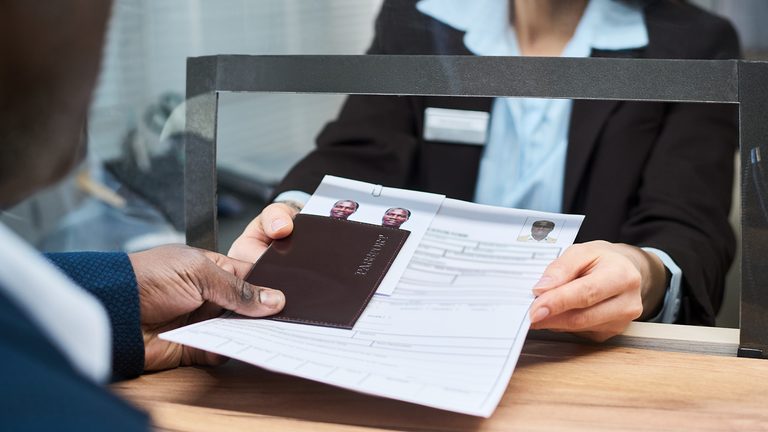
A temporary residence permit is the first official step towards permanent residence and Russian citizenship for foreigners. We detail how to obtain it and what to do next.
What is a temporary residence permit (TRP)?
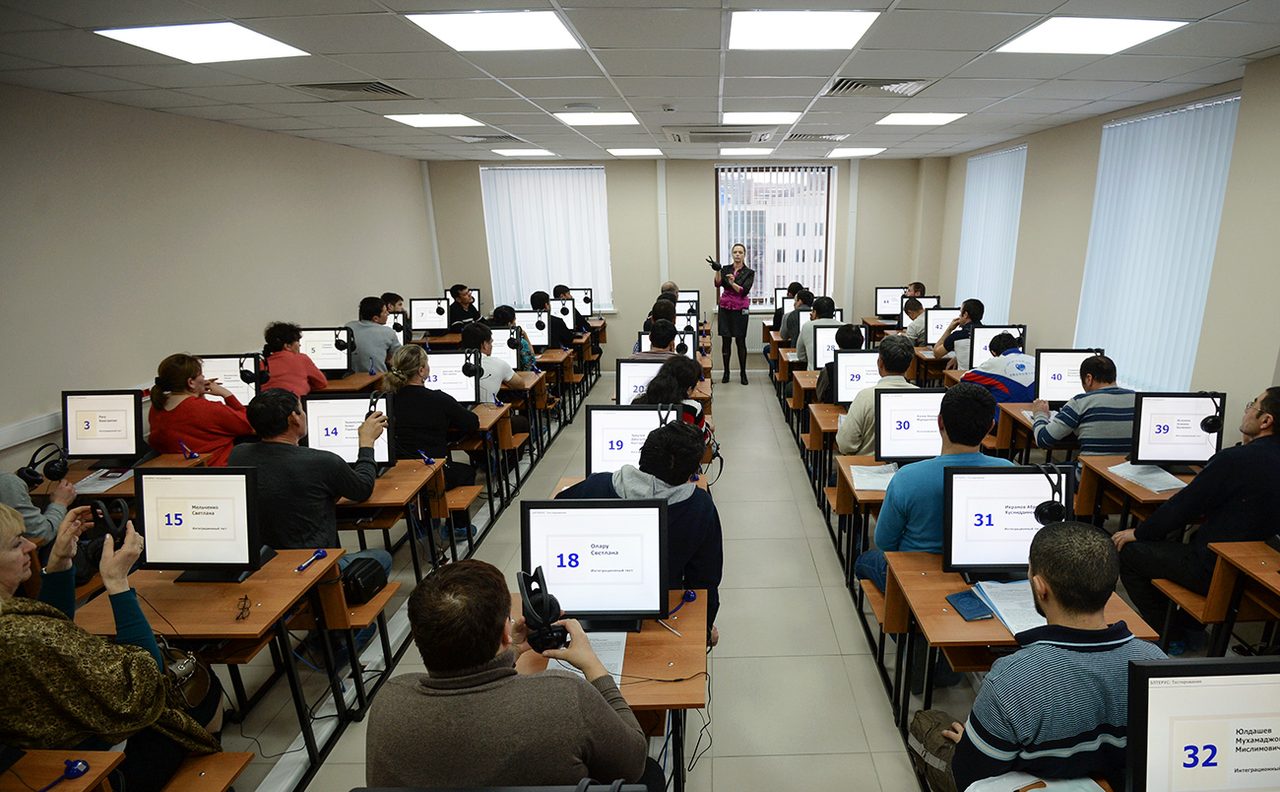
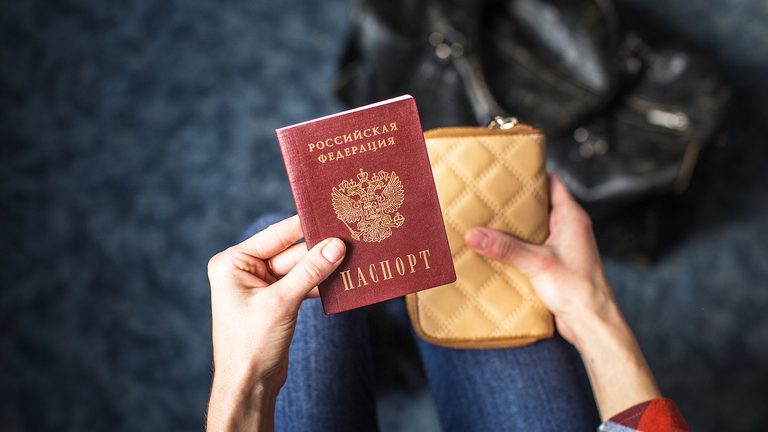
If you want to move to Russia to live and work legally and eventually obtain citizenship, your first step is to get a temporary residence permit (‘razreshenie na vremennoe prozhivanie’, or RVP). Essentially, it's a stamp in your passport.
It grants you the right to:
- Work without a visa, without needing a patent or work permit. This includes the ability to start your own business.
- Obtain a multiple-entry visa for temporary residents, allowing you to cross the border.
- Receive medical services under the Compulsory Medical Insurance (OMS) policy.
- Receive social benefits and payments (except for maternity capital).
However, there are also restrictions:
- You can only live and work in the region where your TRP was issued. You cannot change regions without permission from the Ministry of Internal Affairs (Ministerstvo Vnutrennikh Del – MVD).
- You can travel freely within the country, but you cannot leave the country for more than 180 days in a single year.
- The TRP is valid for three years and is not extendable.
- You must apply for permanent residence (PRP; vid na zhitelstvo – VNZh) no later than 4 months before your TRP expires.
- If you fail to apply for your PR and your TRP expires, you must leave the country. You can later return and re-apply for an TRP or PRP.
- If you apply under the general procedure, you will need to obtain a quota, which sets the maximum number of TRPs for each region.
- Additionally, you will need to pass exams on the Russian language, history and the fundamentals of Russian legislation.
Temporary Residence Permit on a general basis
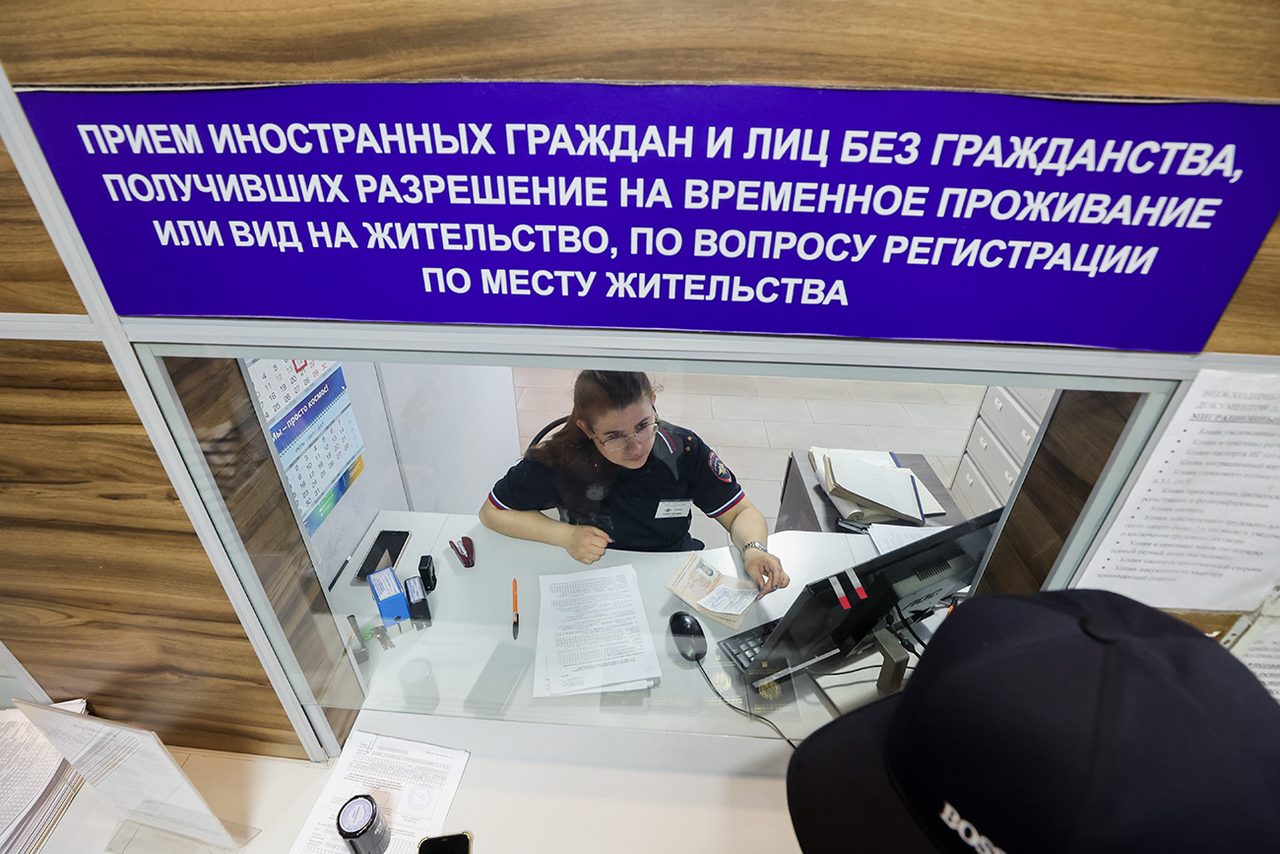
Essentially, any foreigner proficient in Russian can apply for a TRP under the quota system. However, it's important to keep in mind that the number of spots is quite limited. For instance, in 2026, only 3,802 permits will be issued nationwide, of which 500 are for Moscow.
The procedure for obtaining a TRP under the quota includes:
- Submitting an application (sample form) to participate in the quota distribution. You need to contact the Ministry of Foreign Affairs office in your desired region or a migration center (e.g., in Moscow).
- Gathering documents: passport, migration card, registration, medical certificates and a criminal record certificate (for citizens of visa countries).
- Passing the exams. Sample test questions can be found here.
- Fingerprinting.
- Paying the state fee – 15,000 rubles (approx. $191 – as of July 26, 2026).
For more information on documents, visit the ‘Gosuslugi’ website.
Temporary Residence Permit without a quota
However, there are exceptions. A TRP can be obtained without without a quota in a number of cases, for example:
- When relocating under Decree 702 on "traditional values" (more details here). In this case, you won’t need to take exams. However, you will still have to take them later for your PRP.
- When relocating under Decree 883 (for scientists, athletes and prominent cultural figures) starting from April 2026. Also without exams.
- When relocating under the ‘Compatriot Resettlement Program ‘(you or your close relatives were born on the territory of Russia or the Soviet Union).
- If you have been married to a Russian citizen for at least three years.
- If you have enlisted in military service in Russia.
- If you are applying for an TRP for education purposes (TRPE; razreshenie na vremennoe prozhivanie v tselyakh obrazovaniya – RVPO).
Temporary Residence Permit for educational purposes
This is a temporary residence permit for international students studying full-time at a state-accredited university. It applies to any level of study: specialist, bachelor's, master's, postgraduate or doctoral programs.
Of course, you can study comfortably on a student visa alone, but the TRPE offers additional advantages.
- The TRPE is valid for the entire duration of your studies and for an additional 180 days after graduation.
- The TRPE grants the right to work legally during your free time from studies.
- TRPE holders can apply for permanent residence in a simplified manner within three years of graduating.
In this case, proof of Russian language proficiency is not required; the fact of enrollment itself is sufficient. The state fee is the same as for a regular TRP – 1,920 rubles (approx. $23).
More information about documents.
What's next?
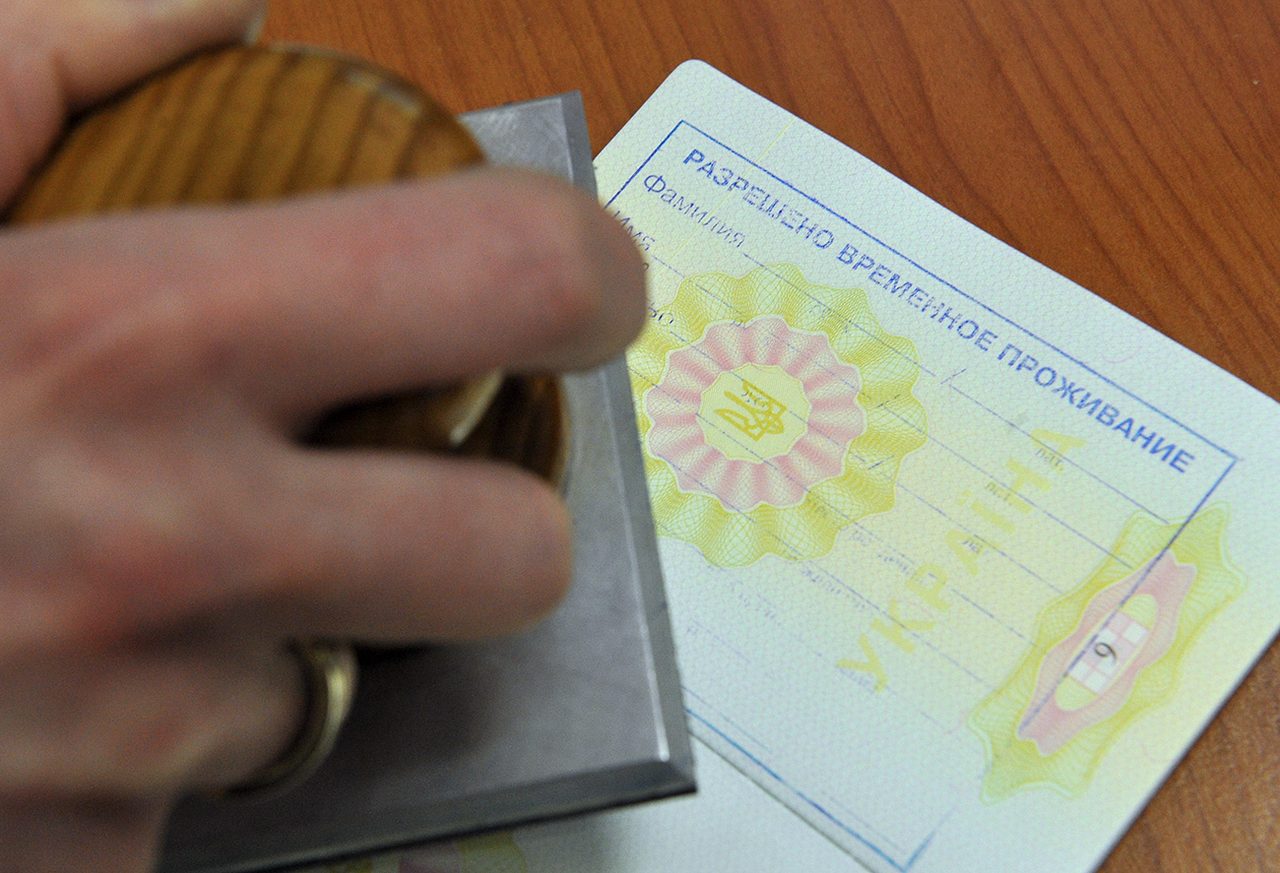
- Within seven working days of receiving your TRP, you must register your actual residential address with the Ministry of Internal Affairs.
- Every year (within two months after the end of each year from the date the TRP was issued), you must submit a confirmation of residence notice to the Ministry of Internal Affairs, along with documents proving your income. Your income must not be below the regional subsistence minimum.
- After eight months on a TRP, you can apply for a permanent residence permit (PRP). And that’s your second step towards Russian citizenship!
Useful apps
In Russia, citizens access many government services through the ‘Gosuslugi’ portal. An equivalent app for foreigners is available – ‘RuID’. If you’re arriving in Russia from a visa-free country, you must submit your arrival notification through this app. You can also use it to check for entry bans and create your digital profile for accessing government services.