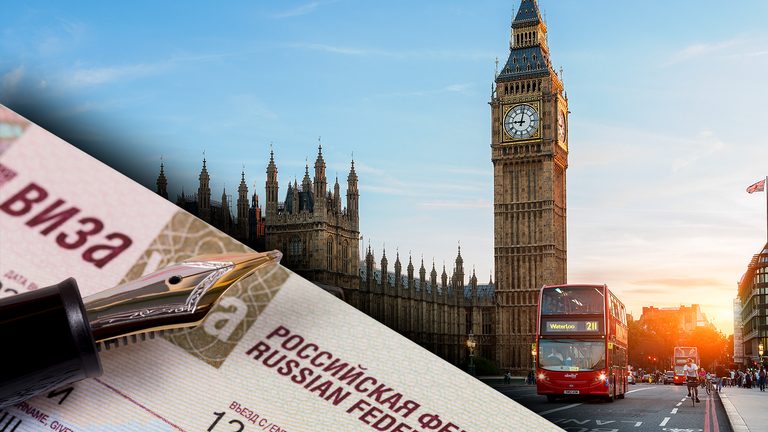


How to move to Russia?

In recent years, coming to Russia has become increasingly easier: many countries enjoy a visa-free regime or an electronic visa can easily be obtained. Below, we explain what legal options exist to stay in Russia for a longer period, if you are planning more than just a holiday.
1. Enroll in a Russian university

One of the simplest ways to move to Russia is to study in Russia. Currently, over 400,000 international students are studying at universities across the country. Russian education is ranked among the top in the world and university graduates have good prospects for further employment in Russia and beyond.
You can even study for free if you qualify for a quota from the Russian government. Knowledge of the Russian language is not required, as you can spend a year at a preparatory faculty learning Russian on site.
If you graduate with honors, you may be eligible to apply for temporary residence and graduates of top Russian universities can even apply for citizenship.
Find more details and explore possible options at education-in-russia.com.
Read about the advantages of Russian education here.
2. Find a job in Russia

Highly qualified specialists have a chance to obtain residence permits through a simplified procedure. Documents will also be available for their spouses, relatives and children.
The list of professions includes:
- Researchers and teachers at accredited universities
- IT specialists
- Specialists recruited to work in special economic zones
- Employees of the international medical cluster
- Participants of the Skolkovo project and innovation centers
- Specialists working in the Sirius federal territory
- Also, other specialists whose salary exceeds 750,000 rubles per quarter.
You can read more about highly qualified specialists on this legal website (in Russian)
To search for a job in Russia, go to websites like hh.ru, superjob.ru, avito.ru.
Additionally, in April 2026, Russia will start issuing talent visas. Keep an eye on our website for updates!
3. Share traditional values

Since 2024, foreign citizens who ‘share traditional Russian spiritual and moral values’ have been able to apply for a temporary residence permit without a quota and without needing to prove knowledge of the Russian language.
Currently, this procedure is available for citizens of 47 countries, including most European countries, as well as the U.S., Canada, New Zealand and Australia.
To do this, contact the Russian consulate or diplomatic mission in your country and apply for a three-month visa to Russia for those who share spiritual values, in order to then, subsequently, apply for a temporary residence permit while in Russia.
Find out more about how to move under the decree on traditional values here.
4. Participate in the compatriot resettlement program

This program is primarily for those who found themselves outside Russia after the collapse of the USSR, as well as for their family members. Over the 20 years of the program's existence, more than one million people have moved to Russia under it (over 26,000 in 2025 alone).
If you can prove your connection to Russia or Russian roots and confirm your language proficiency, you need to contact Russian diplomatic missions in your country. Program participants can expect a simplified path to citizenship, as well as benefits, social support and allowances. Furthermore, this program reimburses relocation expenses.
Find out more about the program here.
5. Marry a citizen of the Russian Federation
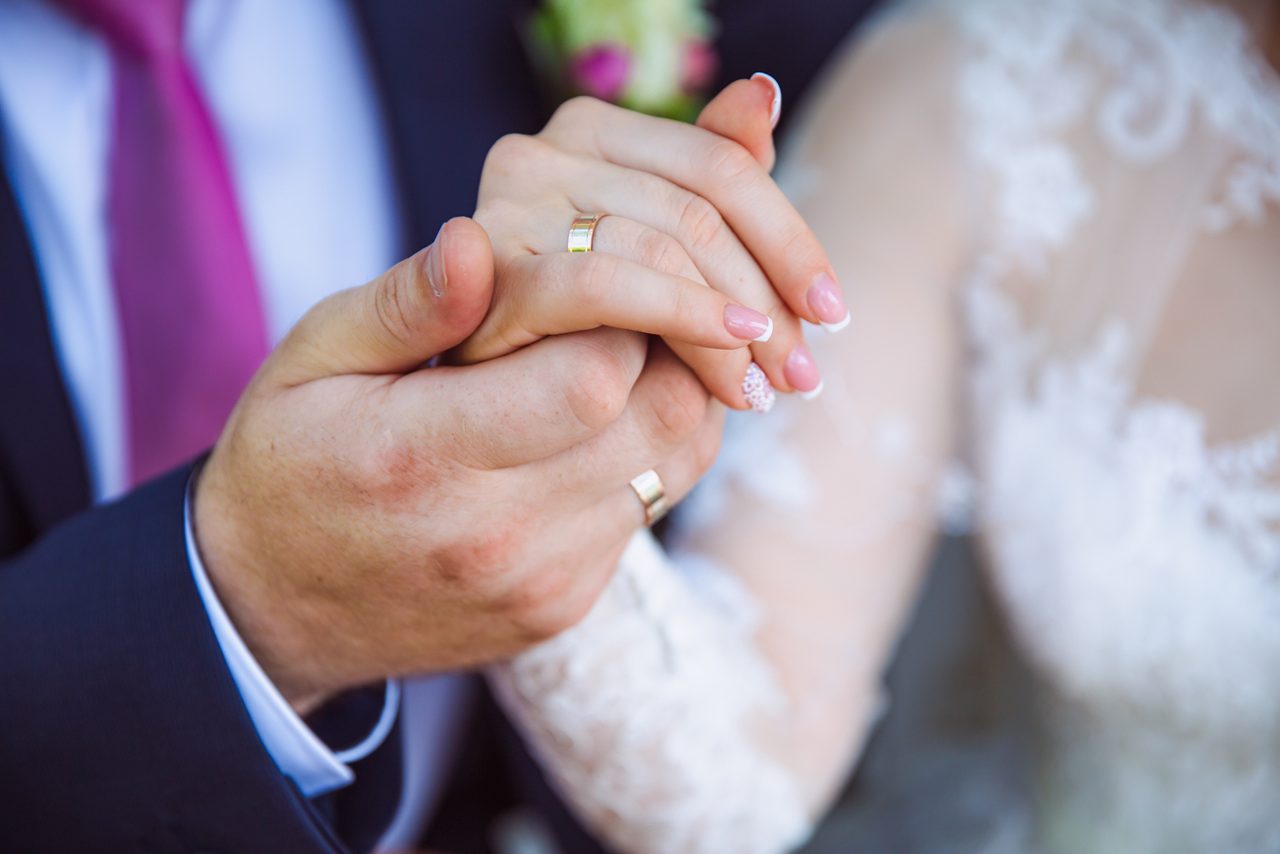
Spouses of Russian citizens permanently residing in Russia can apply for a temporary residence permit without a quota after three years of marriage. Subsequently, you can obtain permanent residence and then citizenship, but there are nuances. If the marriage is annulled, the temporary and permanent residence permits obtained through the marriage are also annulled.
Marriage to a foreigner in Russia can be registered at any civil registry office. You can submit the application in person or via the gosuslugi.ru portal. You can also find detailed information there about obtaining a temporary residence permit for spouses of Russian citizens.
Find out more about citizenship through marriage here.
Stages of moving:

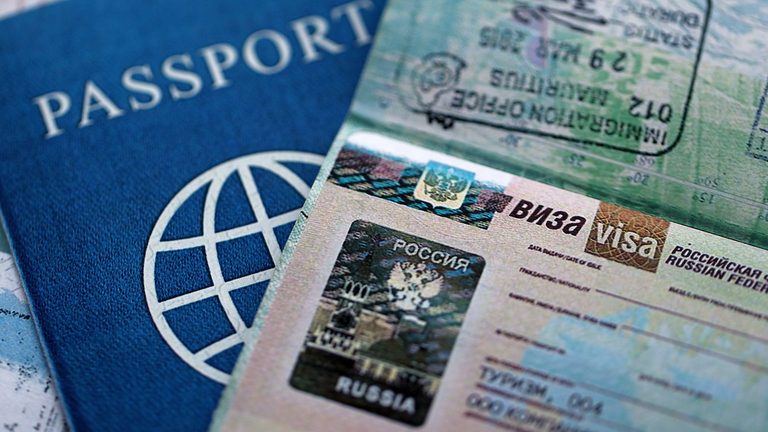
- Prepare documents to apply for a private visa valid for up to 90 days: application form, passport, medical insurance policy and also a certificate of no criminal record (this will be needed for the temporary residence permit application). After that, submit your application to the consulate. If you are moving with children, to enroll them in school, you will need to confirm their knowledge of the Russian language (at least A2 level).
- Handle customs clearance for any imported property and cash and also find accommodation in Russia.
- Register your place of residence with the local police. If you’re staying in a hotel, the administrator will do this; in rented housing, the landlord is obliged to do it. Then, submit an application to the Ministry of Internal Affairs for a temporary residence permit.
For more details on the stages of moving, see the guide from the Ministry of Foreign Affairs of Russia. There you will also find links to all the necessary official authorities.