

How to move to Russia under the compatriot resettlement program in 2026
If you have historical or cultural ties to Russia, you may be eligible for a special program to return to your homeland. Here’s how to do it.
The essence of the program
The state program to assist the voluntary resettlement of compatriots living abroad to the Russian Federation was approved by Presidential Decree No. 637 of June 22, 2006.
Since its implementation, over one million compatriots from various countries have been able to return to their historical homeland.
Under the terms of the program, compatriots (i.e., former citizens of Russia, the USSR or the Russian Empire, as well as their descendants) have the right to return to Russia. Compatriots abroad who participate in this program are officially called repatriates (more on state policy regarding compatriots can be found in Federal Law No. 99).
Repatriate status is the fastest way to obtain Russian citizenship. However, there are some nuances, which we explain below.
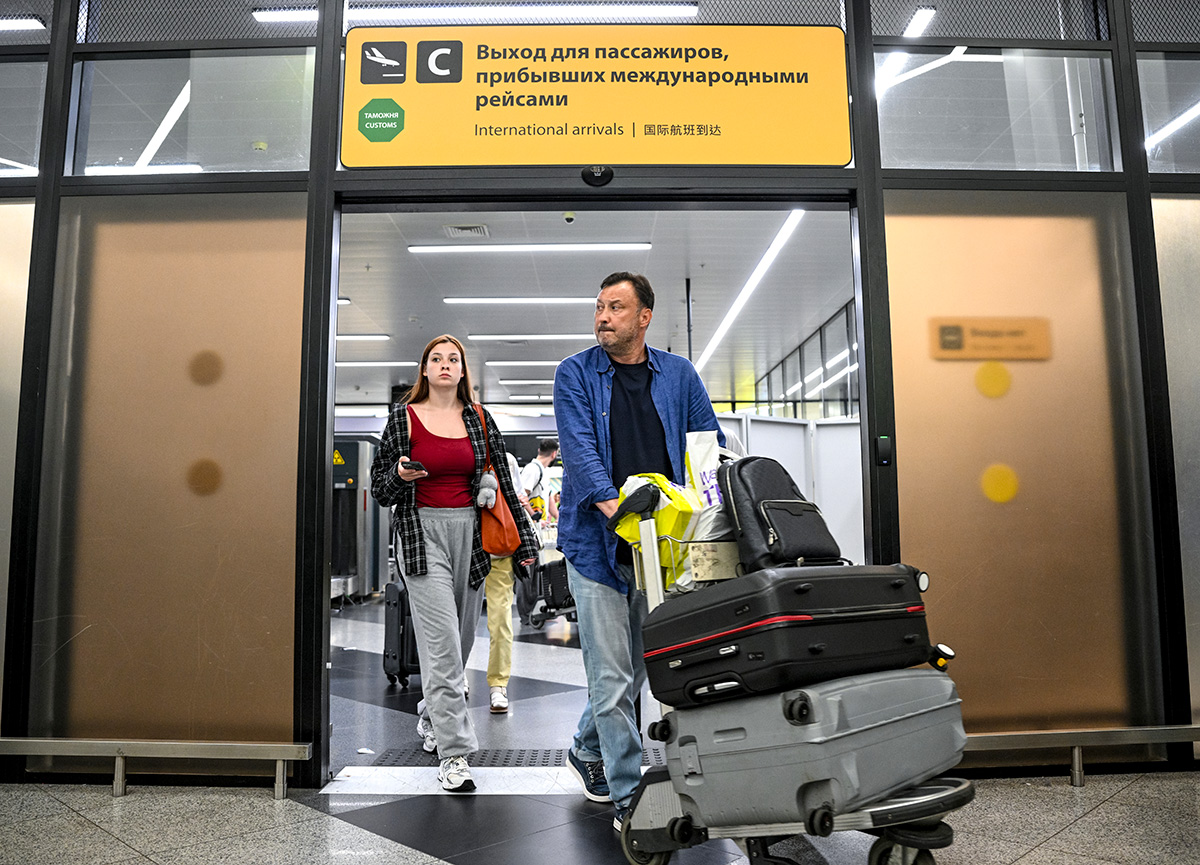
Who can participate in the program?
- Russian citizens who permanently resided outside the country before February 24, 2022.
- People who voluntarily renounced their Russian citizenship for various reasons.
- Those born or permanently residing on the territory of Russia (or the USSR within modern Russia’s borders) and held Soviet citizenship.
- Persons who have direct-line ancestors (i.e., parents, grandparents, etc.) born or residing in Russia, the USSR or the Russian Empire within modern Russia’s borders and who held relevant citizenship.
Program participants must be over 18 years old. Their family members can also resettle with them: spouses, children, their parents, brothers, sisters, grandparents and minor grandchildren. The program participant must be a law-abiding citizen.
Language requirements
Repatriates must have a sufficient command of the Russian language for communication. To confirm your proficiency, you must provide one of the following documents (or duplicates):
- A document confirming education (at least secondary) in Russian on the territory of the USSR (before September 1, 1991) or Russia (after that date). A foreign branch of an educational institution under Russian jurisdiction is also acceptable.
- An education document issued in a foreign state where Russian is an official language.
- A decision from a commission recognizing the compatriot as proficient in Russian. Commissions are appointed in regions participating in the program. The interview is typically conducted via video link (sample questions can be found on the Ministry of Internal Affairs website)
Main "bonuses" for program participants
Repatriates receive the right to education, employment, free medical care and social benefits, just like Russian citizens. In addition:
- Obtaining a temporary residence permit without any quotas.
- Obtaining a permanent residence permit and citizenship under a simplified procedure.
- Exemption from customs duties when moving. This is relevant, for example, if you want to bring your personal car to Russia and register it here. You can also bring your furniture, tableware and other personal belongings.
- Reimbursement of moving expenses, transportation of belongings, state duties, consular fees and other paperwork.
- Receipt of a starting allowance to cover initial expenses. The amount varies by region.
- In "priority resettlement" regions (typically the Far East), a monthly allowance may be offered in the event of unemployment.
- In those regions, you may also receive a housing subsidy to purchase an apartment or build a house. The amount also varies by region.
Program terms & conditions
Repatriates may choose any region of Russia for resettlement, but the greatest support is provided to those moving to regions participating in the program. Regions are guided by their needs for specific specialists.
You can find more details about regional programs:
- On the program website
- On the ‘Russian Age’ portal for compatriots
- On the Ministry of Internal Affairs portal

How to apply
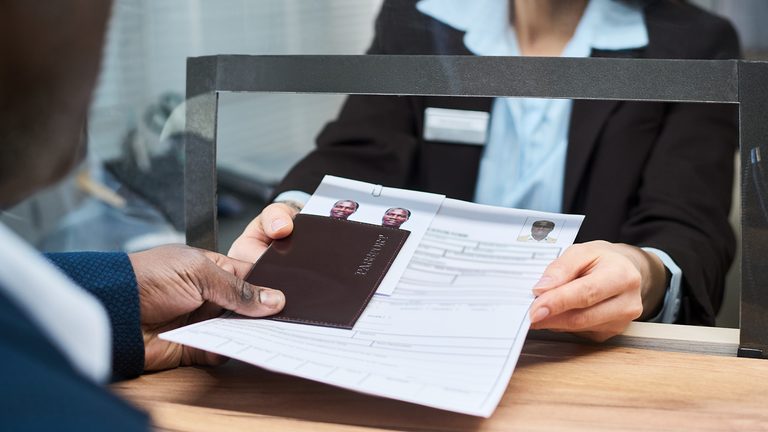
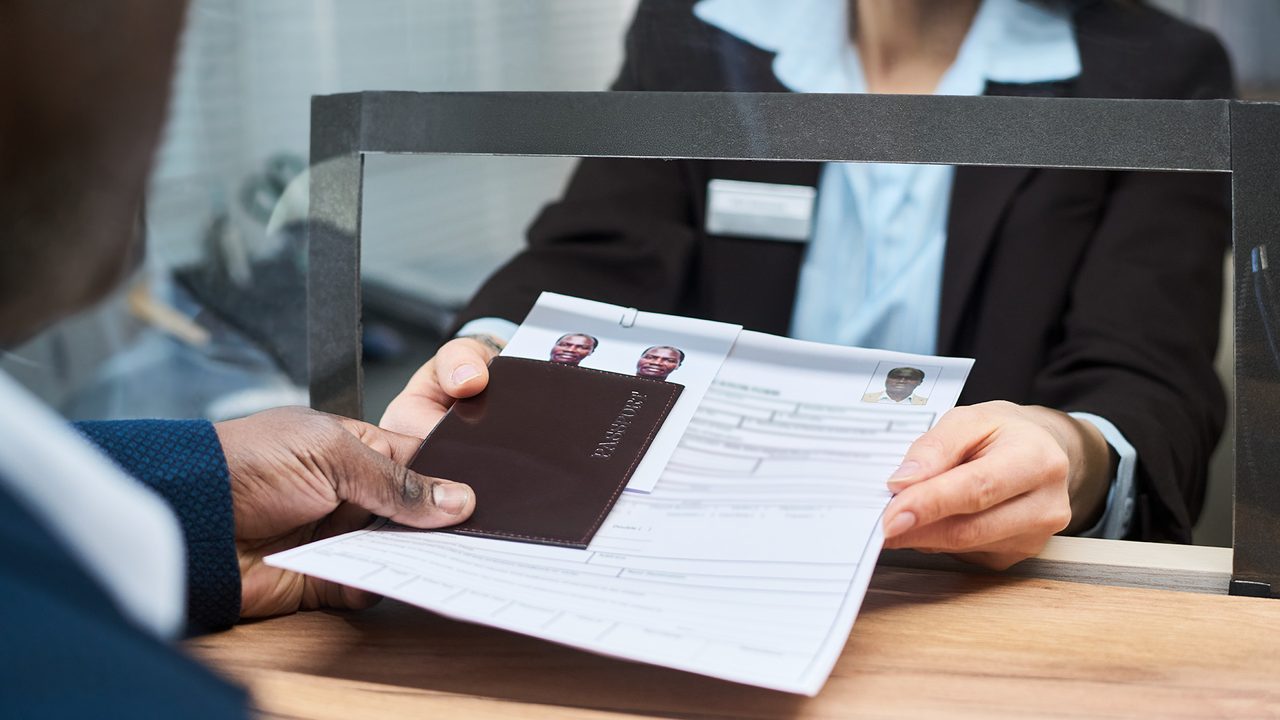
To participate, you need to fill out an application form, prepare documents that verify your identity (and that of your family), along with copies of them; two 3.5 x 4.5 cm photographs; documents on education and work experience. Documents in foreign languages must be translated into Russian and notarized.
All of this must be submitted to Russian consular offices abroad. If necessary, you will receive a private visa and then handle document processing in Russia. Once in Russia, you need to contact the territorial departments of the Ministry of Internal Affairs.
*Important Note (as of November 2025)
As of November 2025, a temporary procedure (Decree No. 821) applies for obtaining a residence permit and citizenship for men aged 18–65: a temporary residence permit and subsequent citizenship can only be obtained after signing a contract for military service or service in the Russian Ministry of Emergency Situations (EMERCOM) or by having a document proving that you are unfit for service due to health reasons.