

‘Herring under a fur coat’: The history of the festive salad
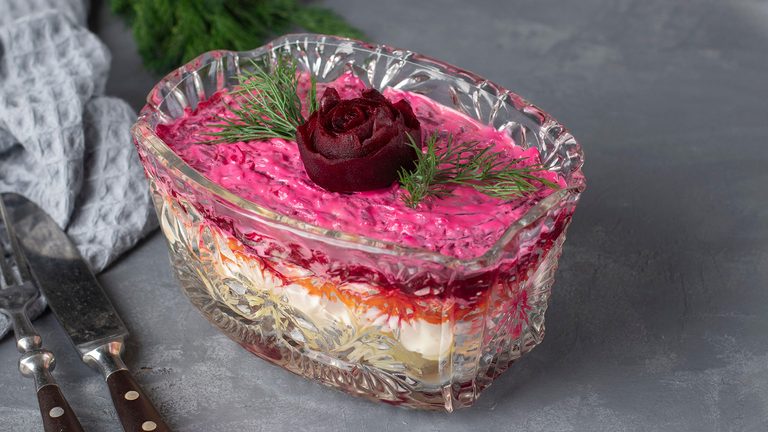
Herring under a fur coat, along with ‘kholodets’, ‘Olivier’ salad, and tangerines, became one of the symbols of the festive feast in Soviet times. However, similar salads were prepared in Russia and other countries long before that.
Herring salads from German and Scandinavian cuisine
In the 19th century, salads similar in composition to "herring under a fur coat" gained popularity in Germany, Norway, Denmark, and other European countries. This fish was one of the most inexpensive, affordable even to poor peasants and artisans. Herring was supplemented with vegetables grown in their own gardens, resulting in a simple, hearty, and accessible dish.
In the second half of the 19th century, herring salads became popular in Russia as well. They contained almost the same ingredients as today: fish, boiled potatoes, carrots, and beets.
‘Coronation Gatchina trout under a fur coat’
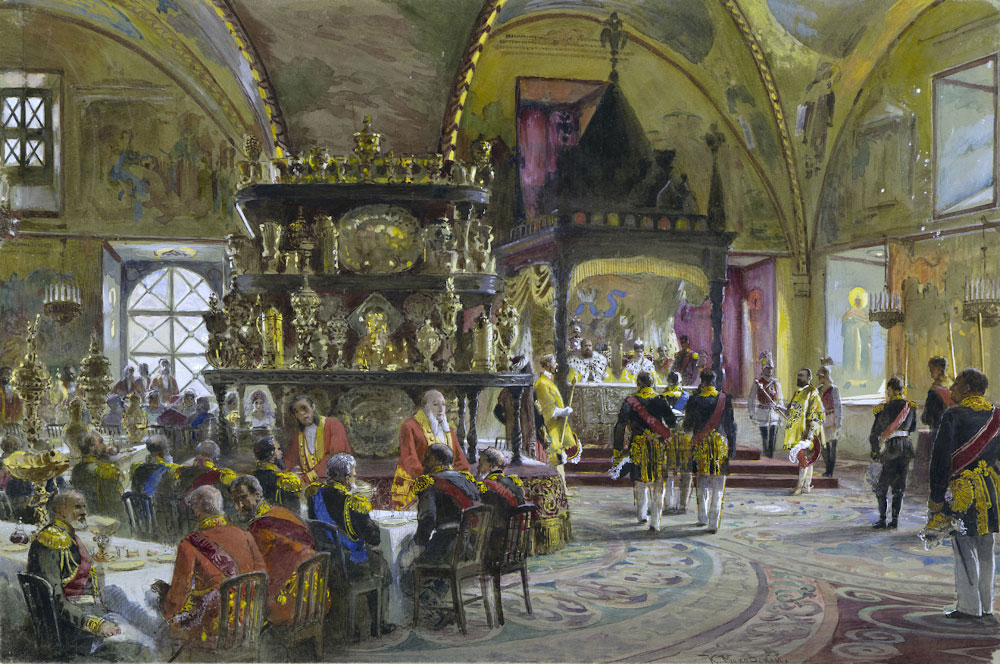
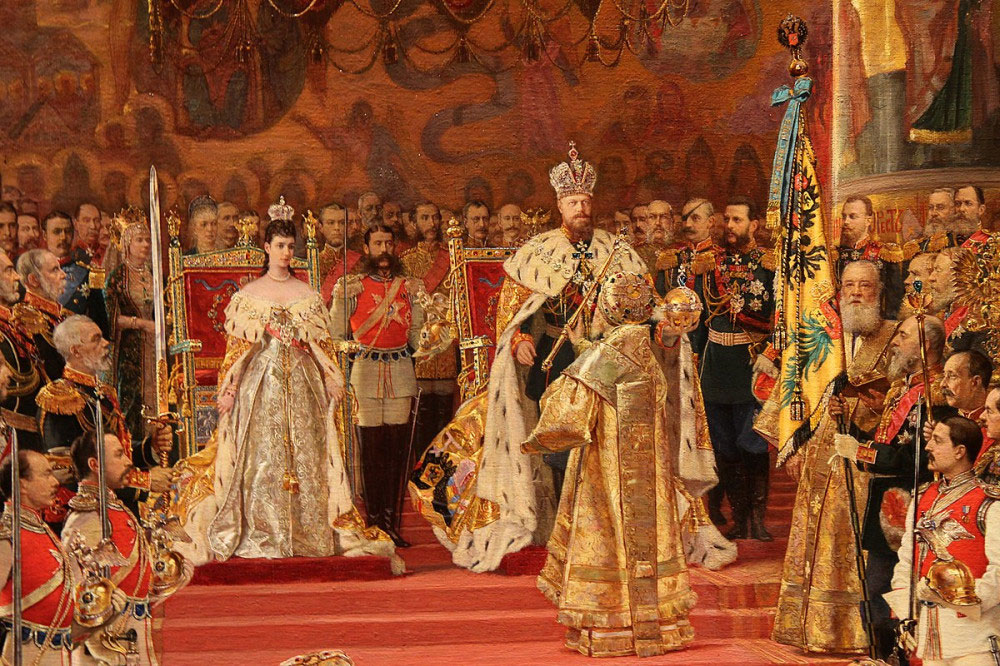
According to one version, the prototype of the modern "herring under a fur coat" was a cold fish appetizer invented by a chef from the Moscow restaurant "Rossiya." In 1883, he participated in preparing the ceremonial dinner given in the Faceted Palace in honor of the coronation of Alexander III and Empress Maria Feodorovna. The chef decided to serve a special dish: on pieces of trout, he layered vegetables, including beets and turnips, and decorated them with Provençal sauce with anchovies. The beets and turnips symbolized the colors of the imperial ceremonial robes, and the white sauce with dark specks resembled the ermine trim of the royal mantle.
The dish was named "Coronation Gatchina Trout Under a Fur Coat." But it was precisely the name that turned out to be unfortunate – it resembled a mockery of the empress: that day she was wearing a dress with ermine trim. At that time, trout was supplied from Denmark, the homeland of Maria Feodorovna. And the royal couple planned to settle in Gatchina near St. Petersburg. As a result, the name of the dish looked like a political pun.
After the dinner, Alexander III personally spoke with the chef and became convinced that he had prepared the appetizer without malicious intent and therefore did not deserve severe punishment. However, the emperor ordered the trout to be removed from the recipe. For a long time, only the anchovies remained as the fish in this dish. In this form, it entered the menu of the "Rossiya" restaurant under the name "Fur Coat." But soon the salad was adapted to the familiar tastes of Muscovites: anchovies and turnips were removed, and lightly salted herring was added instead.
‘Chauvinism and Decadence — boycott and anathema!’
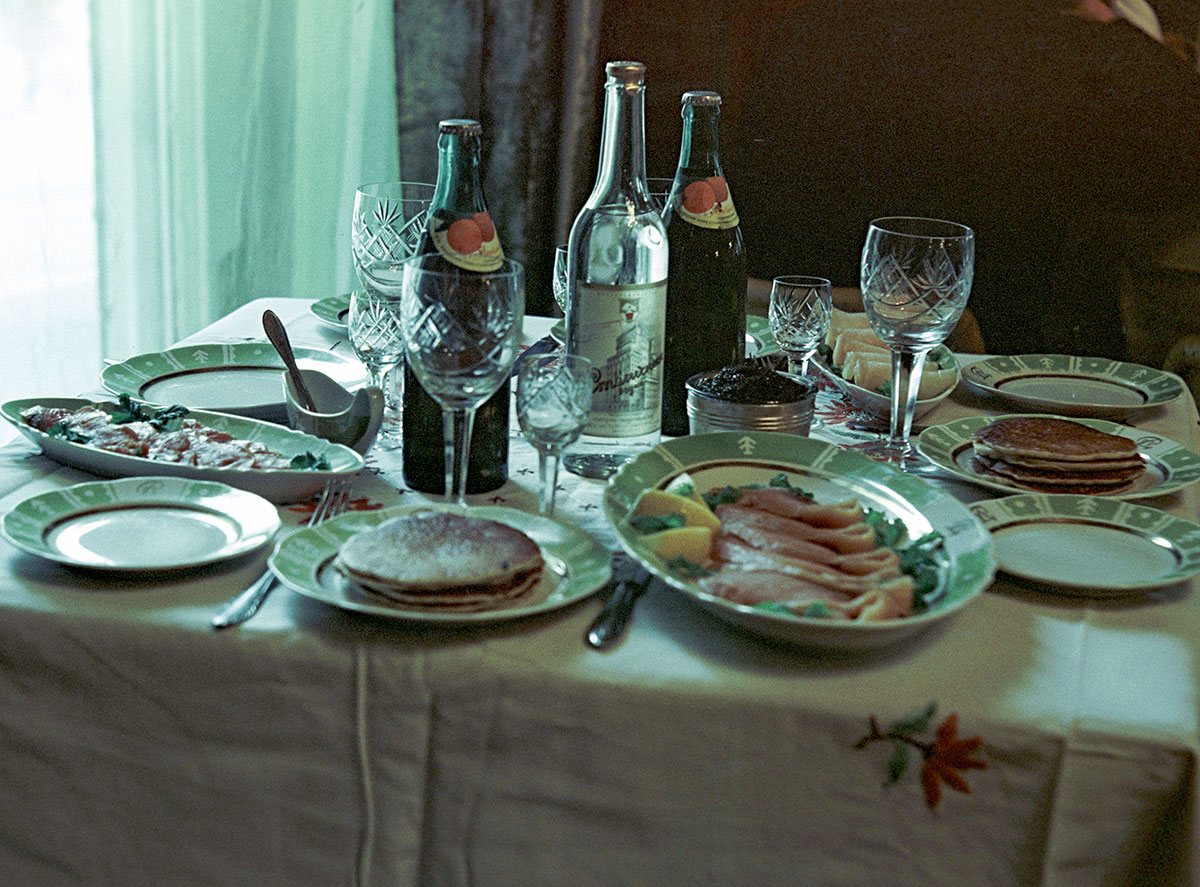
Another version states that "herring under a fur coat" was invented in 1919 by the Moscow merchant and tavern owner Anastas Bogomilov. Patrons in his establishment often argued about the turbulent political situation, quarrels over differing beliefs flared up constantly, often escalating into fights, breaking dishes, and damaging tavern property. Therefore, Bogomilov came up with a "unifying" appetizer, whose ingredients symbolized different strata of the new Soviet society: inexpensive herring — the proletariat; onions, potatoes, and carrots — the peasants; beets — the Red Army soldiers; and mayonnaise, which was gaining popularity at the time — the bourgeoisie.
Bogomilov named the salad with the acronym SHUBA, which stood for "Shovinizmu i upadku – boikot i anatema!" (Chauvinism and Decadence – Boycott and Anathema!). The hearty dish was well-suited as an appetizer for strong drinks; thanks to it, patrons did not get drunk as quickly, and quarrels and fights in the tavern became much fewer.
Legend has it that Anastas Bogomilov first presented this dish just before the New Year. Since then, it has become one of the main symbols of the Soviet New Year's table.
The full version in Russian can be found on the website Culture.ru.