

«Don't go to bed full!» – Russian folk superstitions about food

Which fire was extinguished with ‘kvass’? Why eat moldy bread and carry a rye rusk in your pocket? And why was the potato dubbed the "devil's apple"?
Rye rusks against cramps
Before eating, peasants would wash their hands and face. It was believed that eating with dirty hands let evil spirits in. Swearing or laughing loudly at the table, or speaking ill of the dishes served by the hostess, were forbidden. After dinner, dishes had to be cleared from the table, otherwise, the house spirit (domovoy) would finish the leftovers and lick the bowls clean.
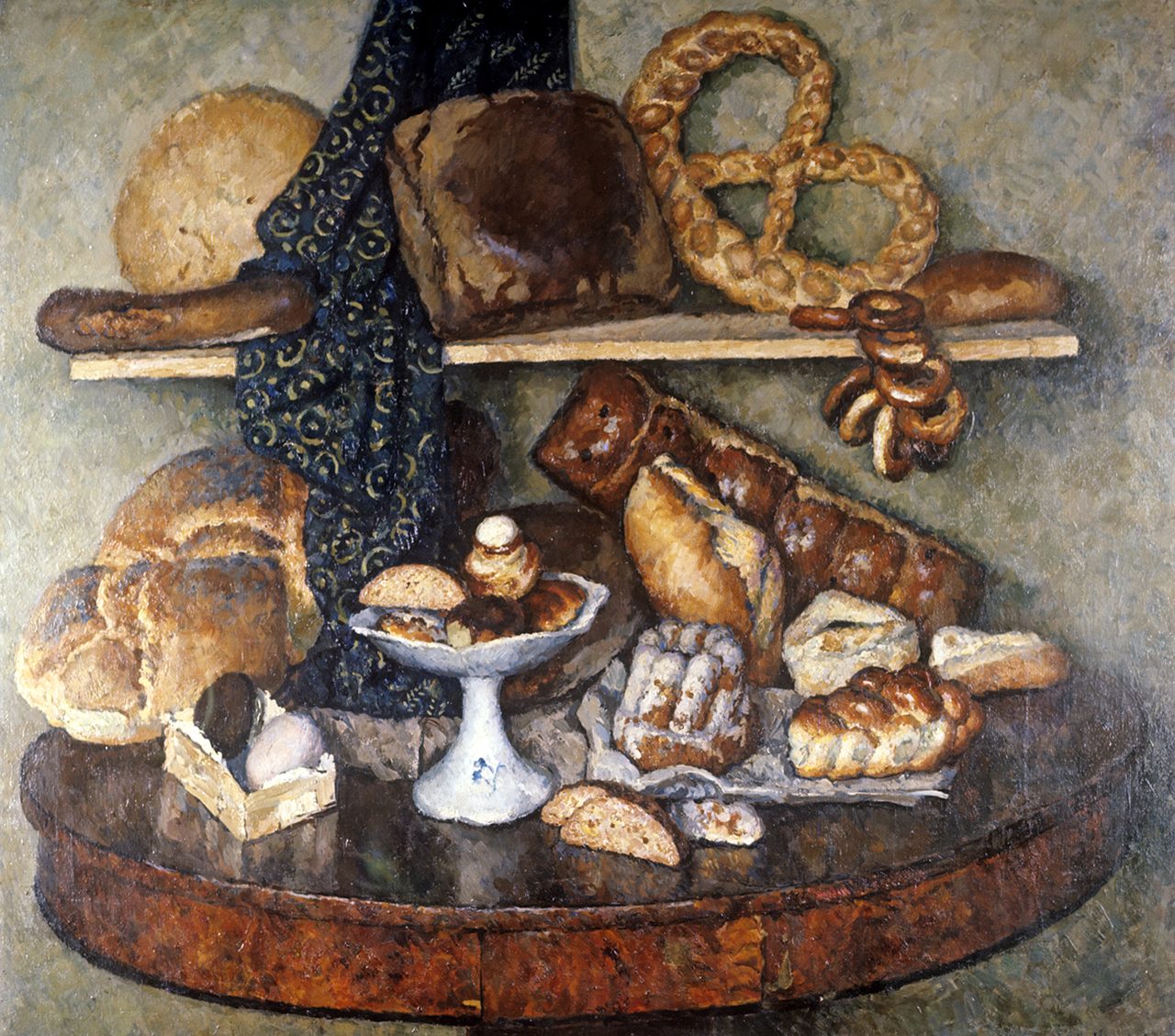
In many regions, it was believed that if a person ate quickly, it meant they worked quickly and well. Therefore, this was a test for workers before being hired. At the same time, peasants disapproved of gluttony: Supposedly, if a person ate too much, they were eating for two – themselves and the devil. Advice on moderation in food was reflected in proverbs: "Don't go to bed full – and you'll wake up healthy."
Many superstitions were associated with bread. It was forbidden to drop bread on the floor or throw away bread crumbs, lest it lead to crop failure and famine. However, they could be given to birds.
Dipping bread in salt was considered a bad omen. This can be explained: salt, expensive at the time, would get “contaminated” with crumbs.
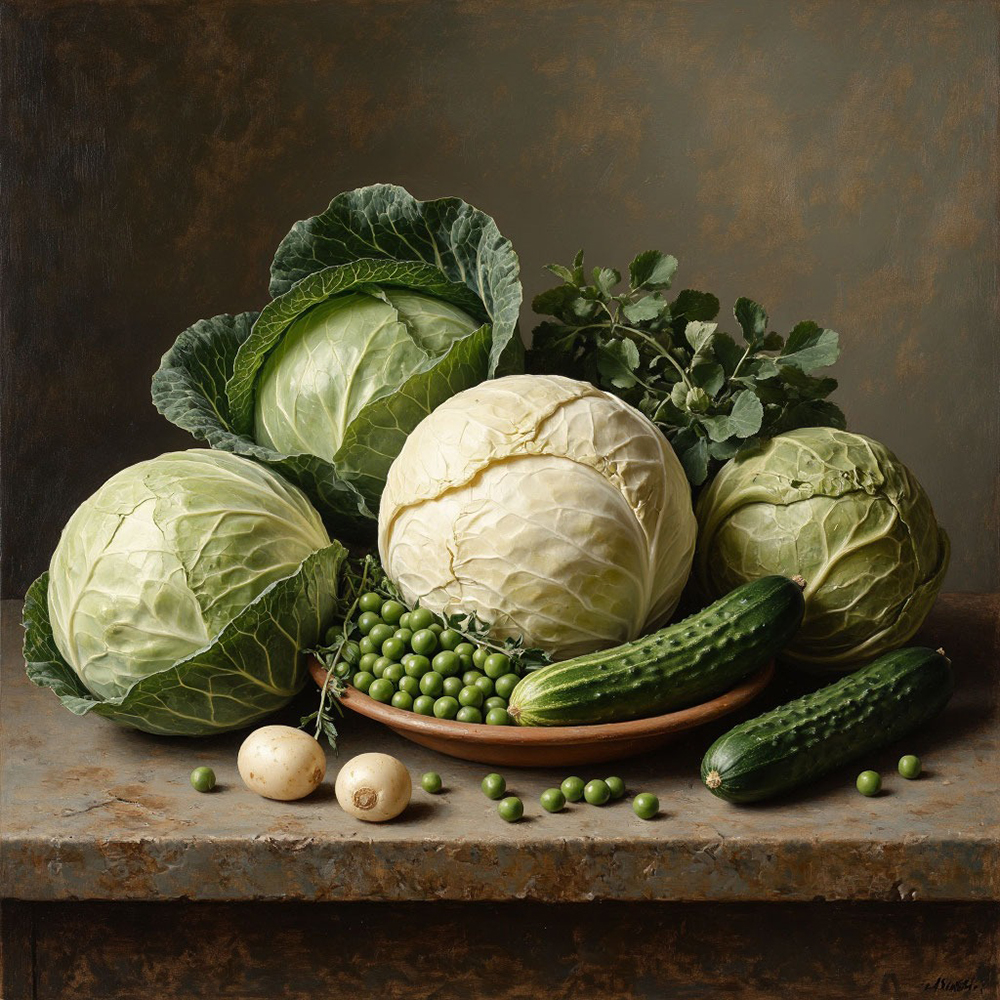
It was believed that a rye rusk in one's pocket magically protected against cramps, while a loaf of bread flipped upside down in the oven foretold misfortune or even death.
Peasants also believed that looking at a person through the hole of a ‘kalach’ (a ring-shaped bread roll) could curse them or identify a sorcerer.
Peasant vegetables: cabbage & peas
Until the 19th century, in peasant communities, potatoes were almost universally considered unclean food, dubbed "filth" and the "devil's apple". Legends even appeared stating that potato bushes grew on the graves of sorcerers and witches. The basis of the Lenten menu in both rich and poor homes was cabbage. Many signs and rituals were associated with it. ‘Kapustnichki’ (‘Little cabbages’) was a nickname for children born out of wedlock: It was believed they were found in cabbage patches. If a girl cheated on her boyfriend, he could cut off all the cabbage heads in her garden.
Preparing cabbage for winter was a real celebration. Beer was brewed for this day and a special dinner was prepared. Girls dressed up and, in the evening, the hosts and guests organized dances and festivities.
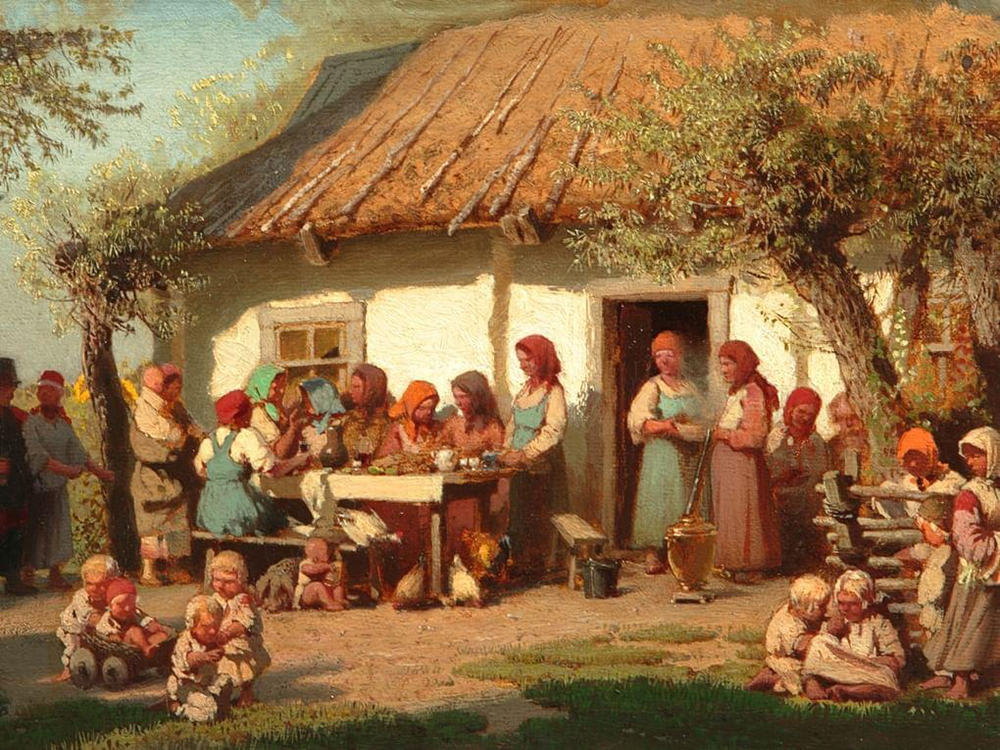
During Lenten fasting days, peas were eaten in various forms. Beliefs mentioned that mermaids, ‘Baba Yaga’ and other evil spirits inhabited pea fields. The plant was used in magical rituals. There was a ritual like this: In spring, one had to kill a snake, place three peas inside it and bury it in the ground. If a flower grew from it, it was to be picked and sealed in wax. It was believed that this wax ball with a flower helped read people's thoughts when placed in the mouth.
Read the full version in Russian on the Culture.ru website.