What were Soviet game consoles like?

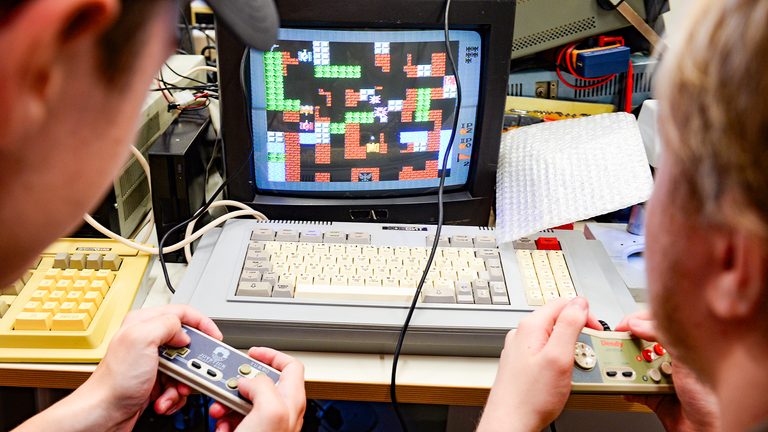
The first Soviet game consoles appeared in the late 1970s. They were not only a technical novelty and innovation, but also a genuine rarity: limited production runs and high prices made them the cherished dream of millions of schoolchildren.
How it all began
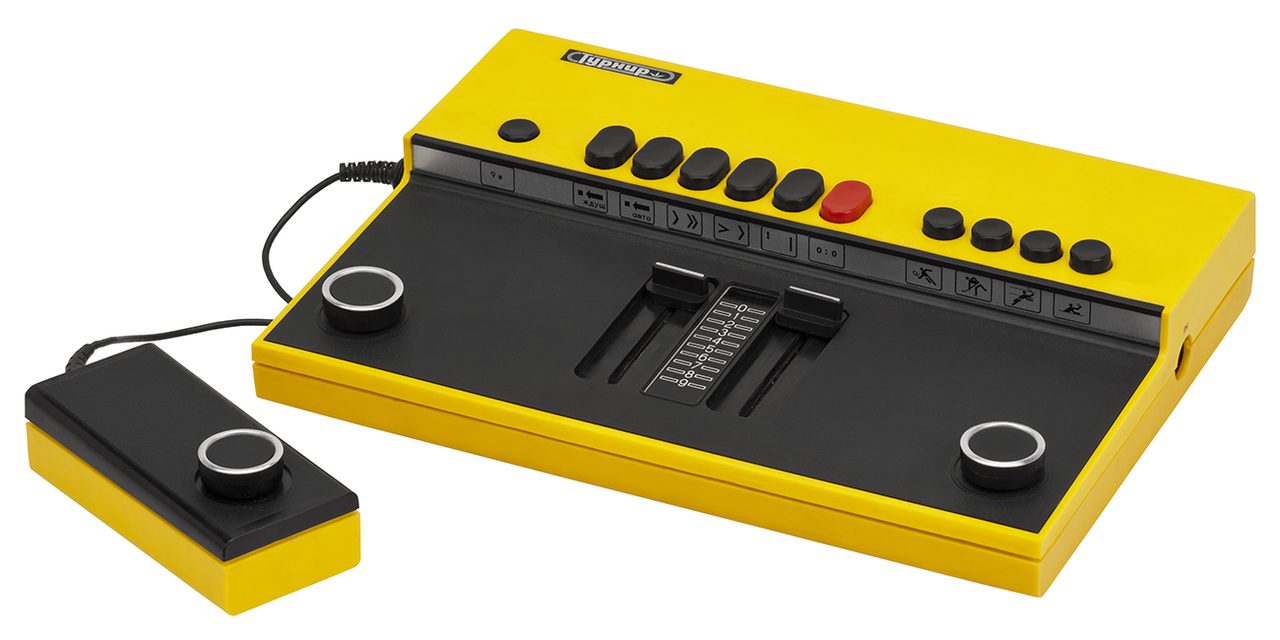
The starting point was 1978. That was when the first two television consoles – the ‘Palestra-02’ and ‘Turnir’ (‘Tournament’) – were released.
Their game sets were similar: ‘Palestra-02’ offered tennis, mini-soccer, volleyball, squash and a training mode; ‘Turnir’ had tennis, hockey, squash and a training mode. Both allowed two-player games, while the training mode was designed for a single player. The difference lay in their "inner workings": ‘Palestra-02’ had no game chip, which made it bulky (it weighed over 4 kg), whereas ‘Turnir’ was built on the U.S. ‘AY-3-8500’ chip.
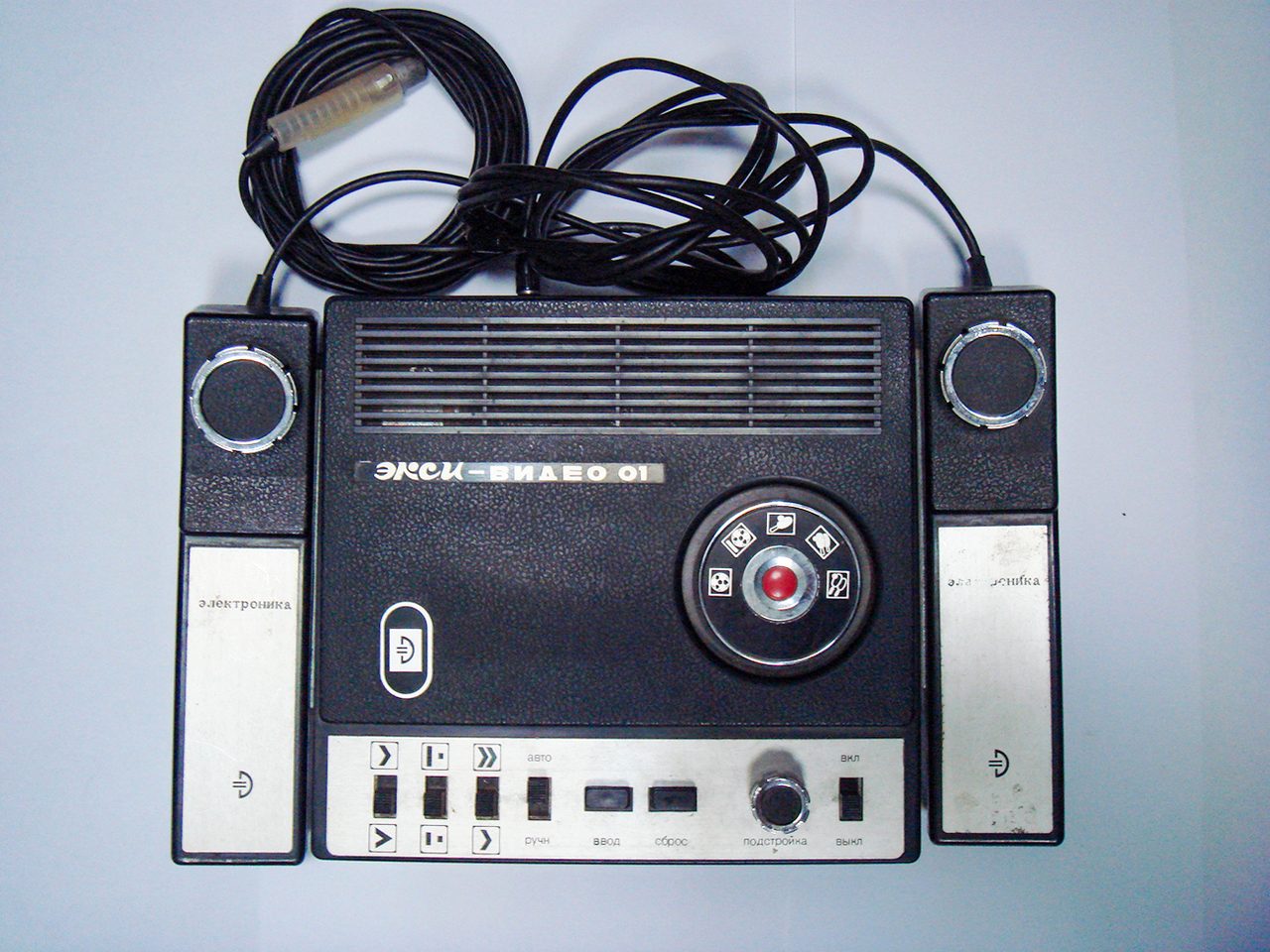
That same year, production of the ‘Elektronika Eksi-Video 01’ console with five games began in the Moscow region, using a Soviet analog of the same chip.
In later versions, it featured two joysticks and a light gun. Shooting games were added to the lineup.
However, none of these consoles gained widespread popularity: they were produced in limited quantities and cost around 100 rubles – almost the average monthly salary of a Soviet engineer.
‘Elektronika Videosport’
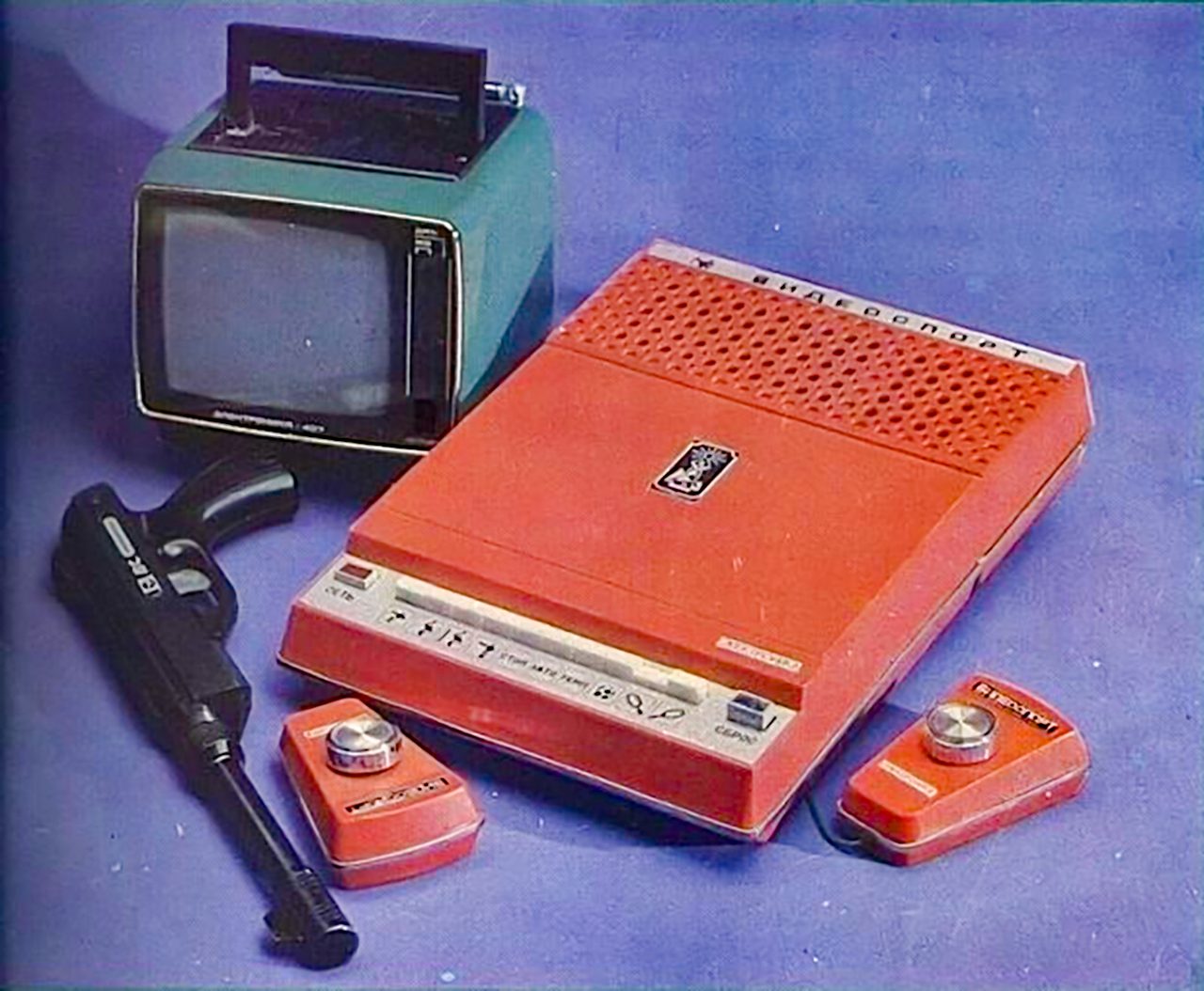
In the 1980s, the ‘Binom’ factory in Vladikavkaz produced a series of video game consoles called ‘Elektronika Videosport’ on the same Soviet analog of the U.S. chip (similar to ‘Pong’). The most popular model was ‘Videosport-3’, the last console in the series. The set included joysticks and a light gun and players could play tennis, soccer, lapta, squash and shoot at targets. In addition, it was possible to set up an automatic opponent for a second player. The price of this console in 1989 was 115 rubles.
Portable consoles
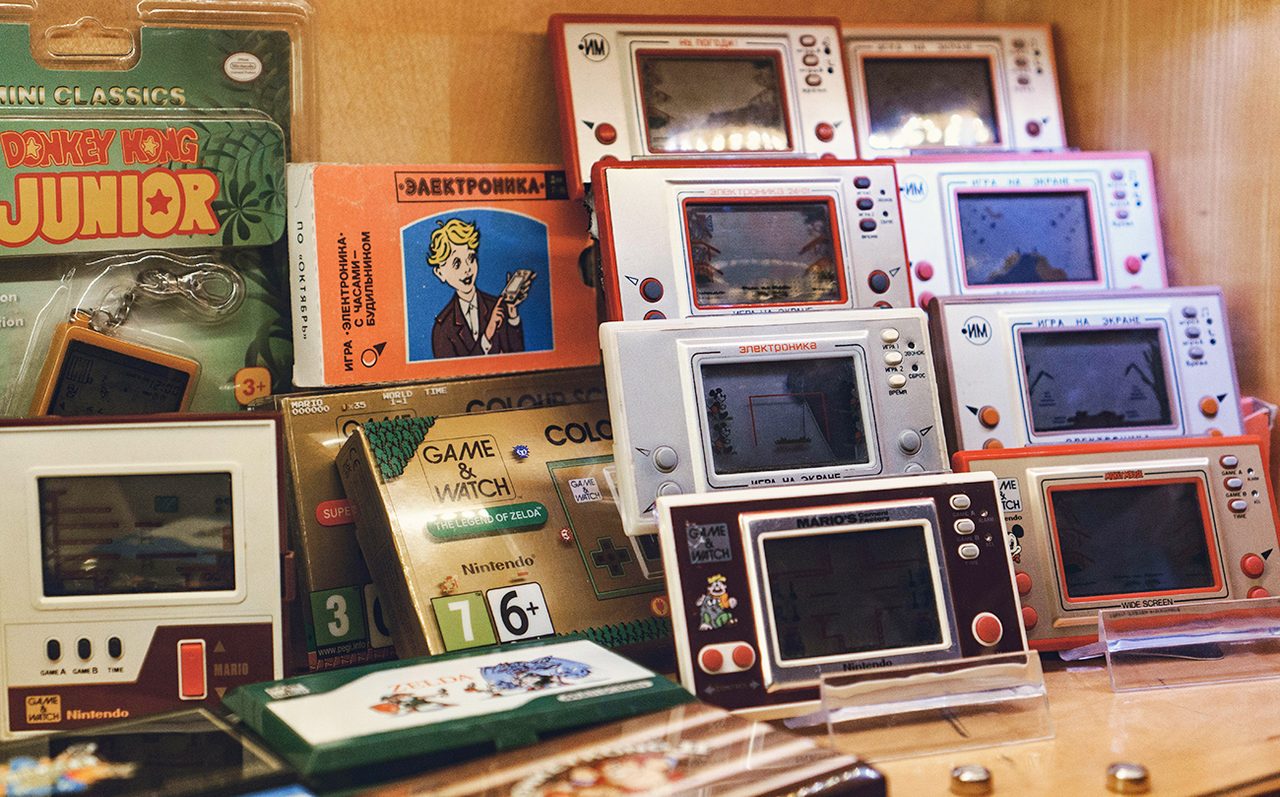
The most widely used Soviet gaming device was the portable ‘Elektronika’ console. Many Soviet schoolchildren owned the game ‘Nu, Pogodi!’ based on the cartoon of the same name.
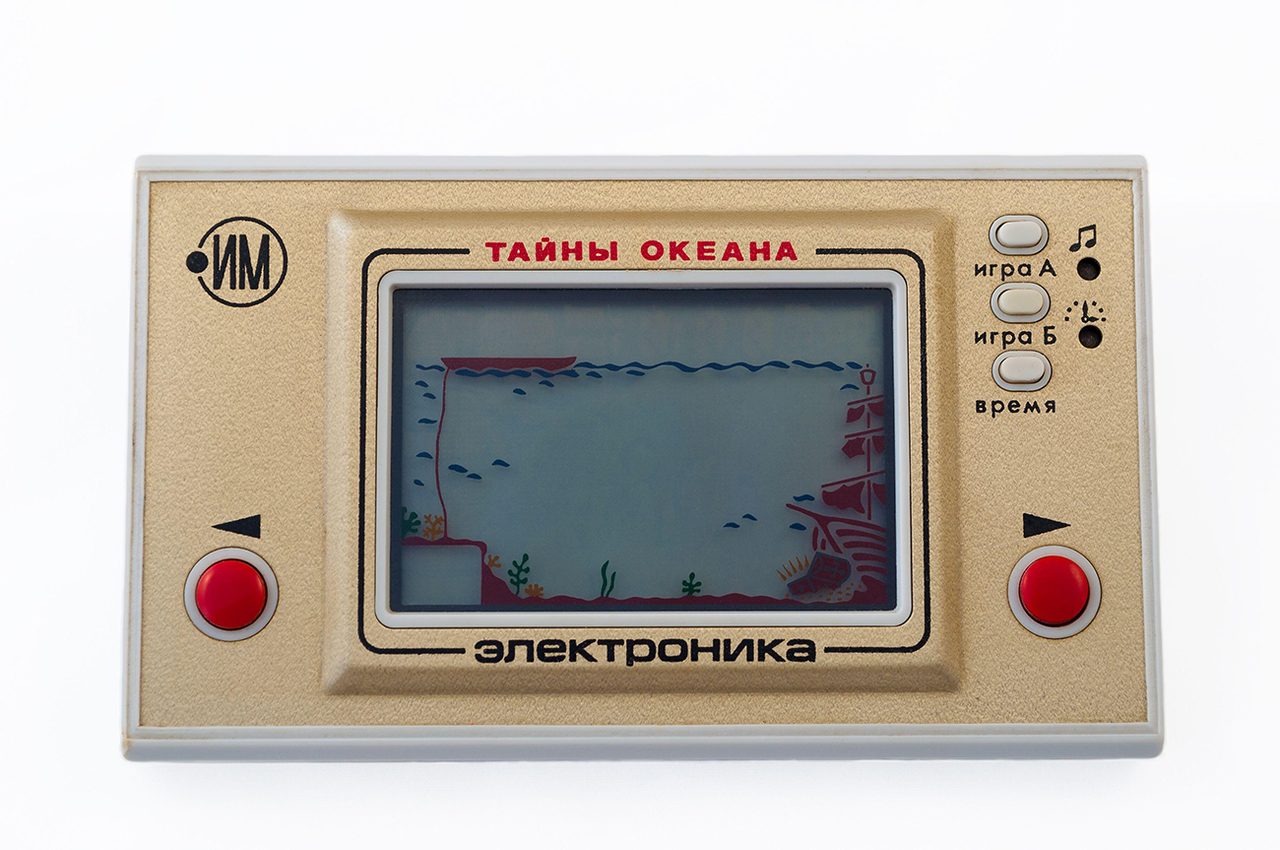
The device was an analog of a Japanese Nintendo handheld console, cost 23–25 rubles and offered only one game: a cartoon wolf running between hens laying eggs and catching them in a basket. ‘Elektronika’ produced this game from 1984 to 1991. Besides ‘Nu, Pogodi!’, there were lesser-known consoles with ‘Secrets of the Ocean’, ‘The Merry Cook’ and ‘Mickey Mouse’.
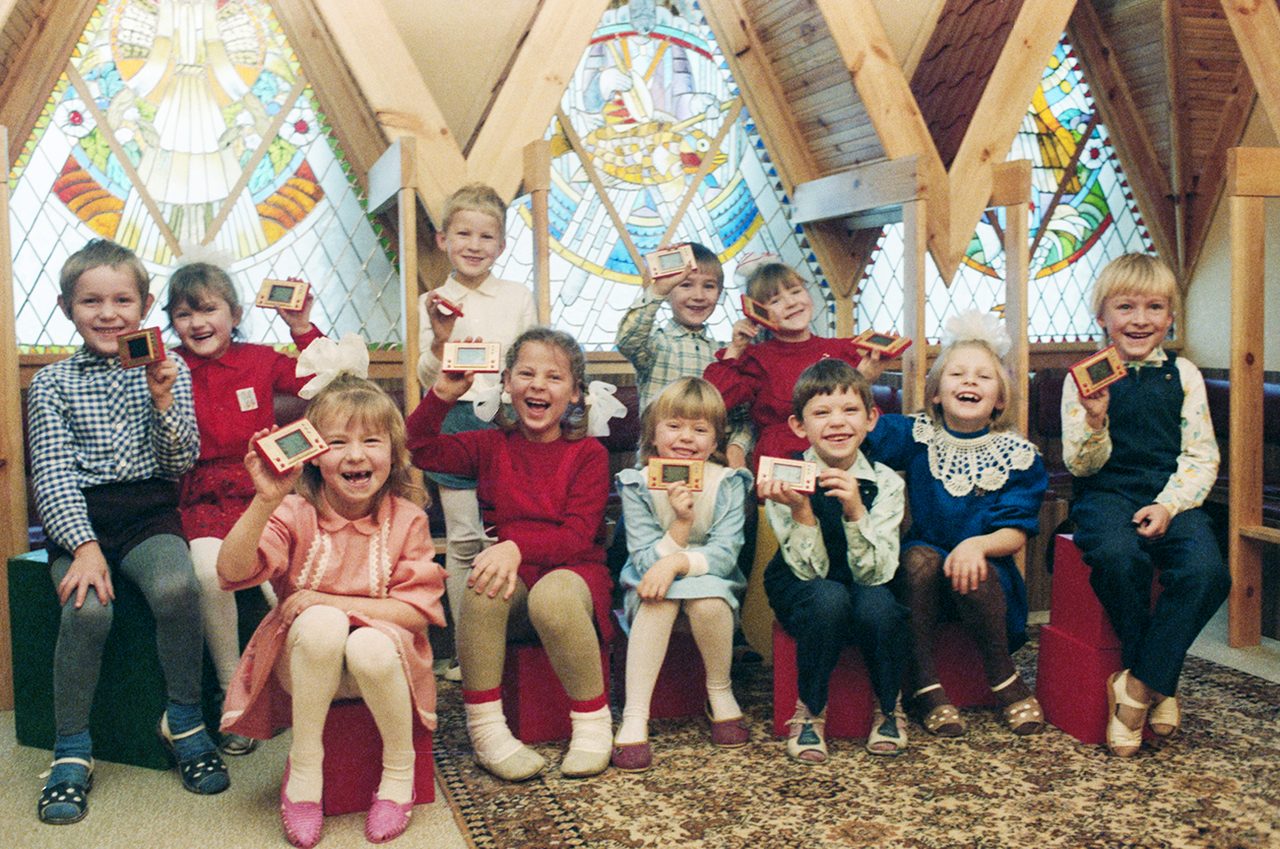
‘Elf’
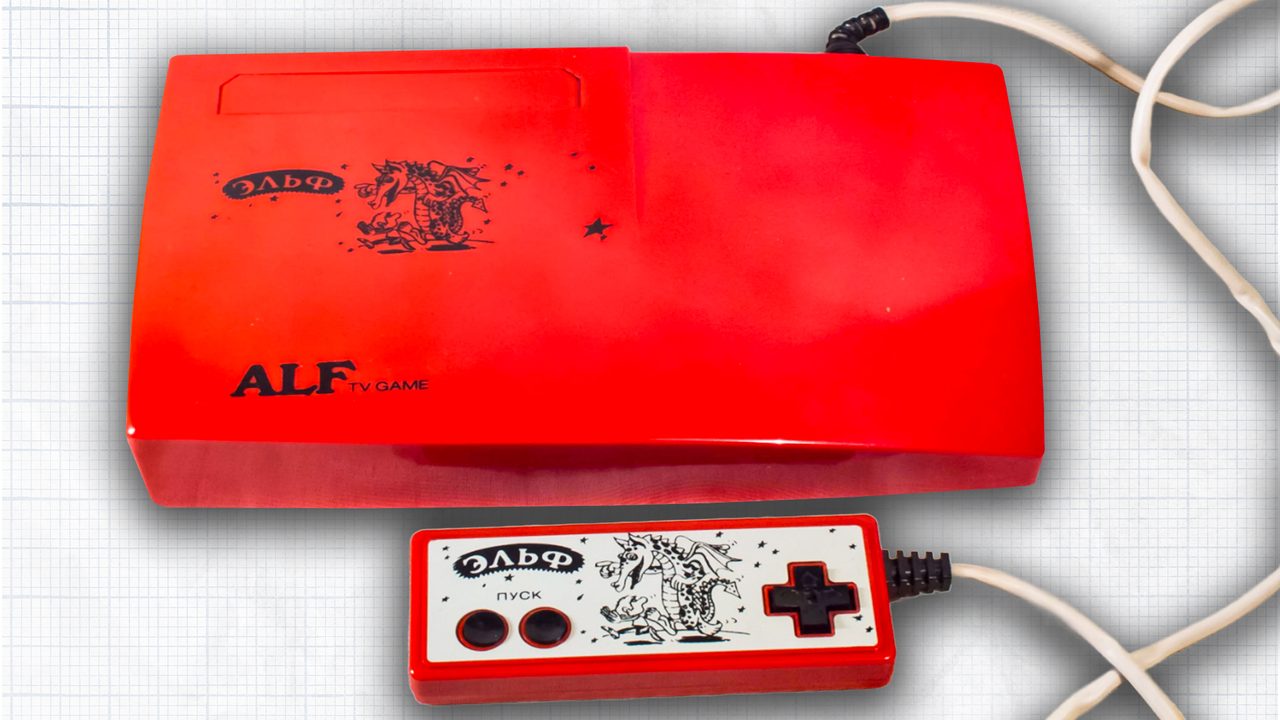
The device most similar to modern consoles was the ‘Elf’ (ALF TV Game), which was assembled in Brest, Belarus, in the very early 1990s. It ran on the ‘Byte’ computer (a Soviet equivalent of the ‘ZX Spectrum’).
‘Elf’ already offered color graphics and a variety of games on cartridges. However, the console remained virtually unknown to the wider gaming community: at that time, in the wake of the USSR’s collapse, foreign consoles like ‘Dendy’ and ‘Sega’ flooded the markets of post-Soviet countries. Production of ‘Elf’ was permanently discontinued in 1995.