
How ‘Komsomol Christmas’ was celebrated in the USSR (PHOTOS)

The young Soviet state fought against religion. A variety of means were used, from switching to the Gregorian calendar to closing of churches and other temples of worship to… carnivals.
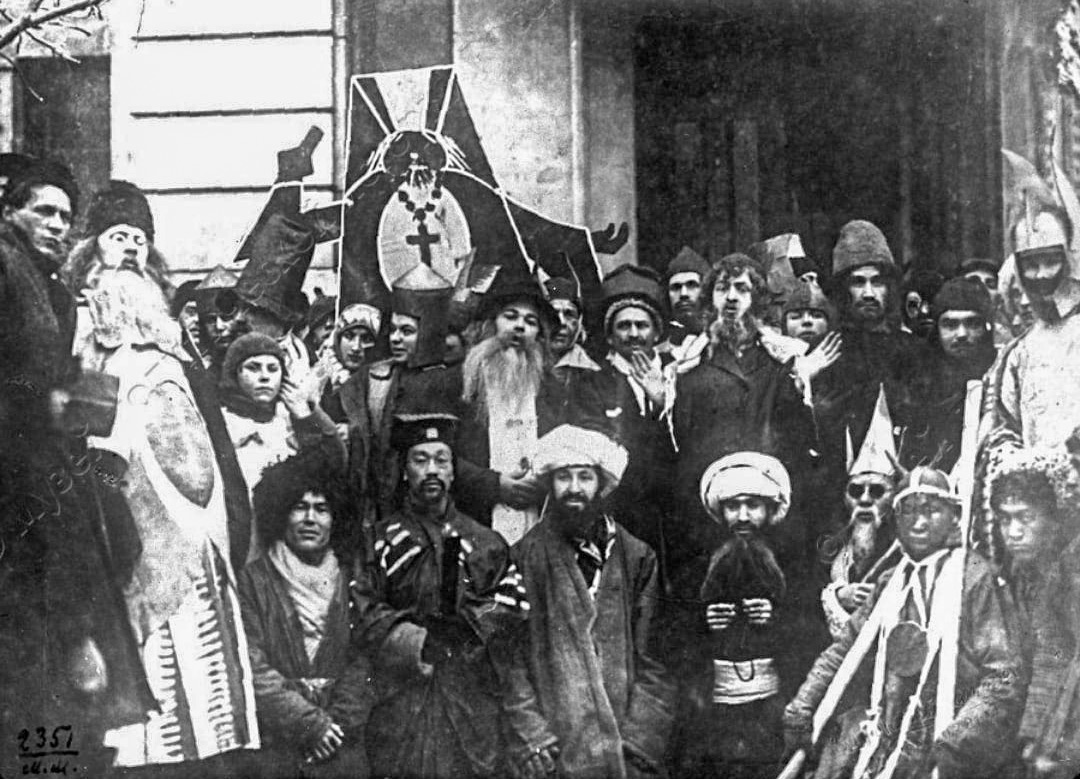
To turn young people away from religious celebrations, the so-called ‘Komsomol Christmas’ was invented in the 1920s. "The celebration should utilize the basic Christmas customs, imbuing them with communist content," stated the document outlining the procedure. In late 1922 and early 1923, anti-religious demonstrations, many featuring mummers and special rituals, took place across the country.
"They fought the first battle against God!" is how newspapers described the ‘Komsomol Christmas’ in Rostov-on-Don. To the sounds of an orchestra, singing and singing ditties, the marchers carried effigies of Christ, Allah, Osiris, Jehovah, Buddha and various priests – in short, all those who embodied religious beliefs. It was called a "review of deposed gods", although it resembled more of a carnival. Some were more inventive and made figurines "on the topic of the day": St. Nicholas holding a cross in one hand and a bottle of moonshine in the other.
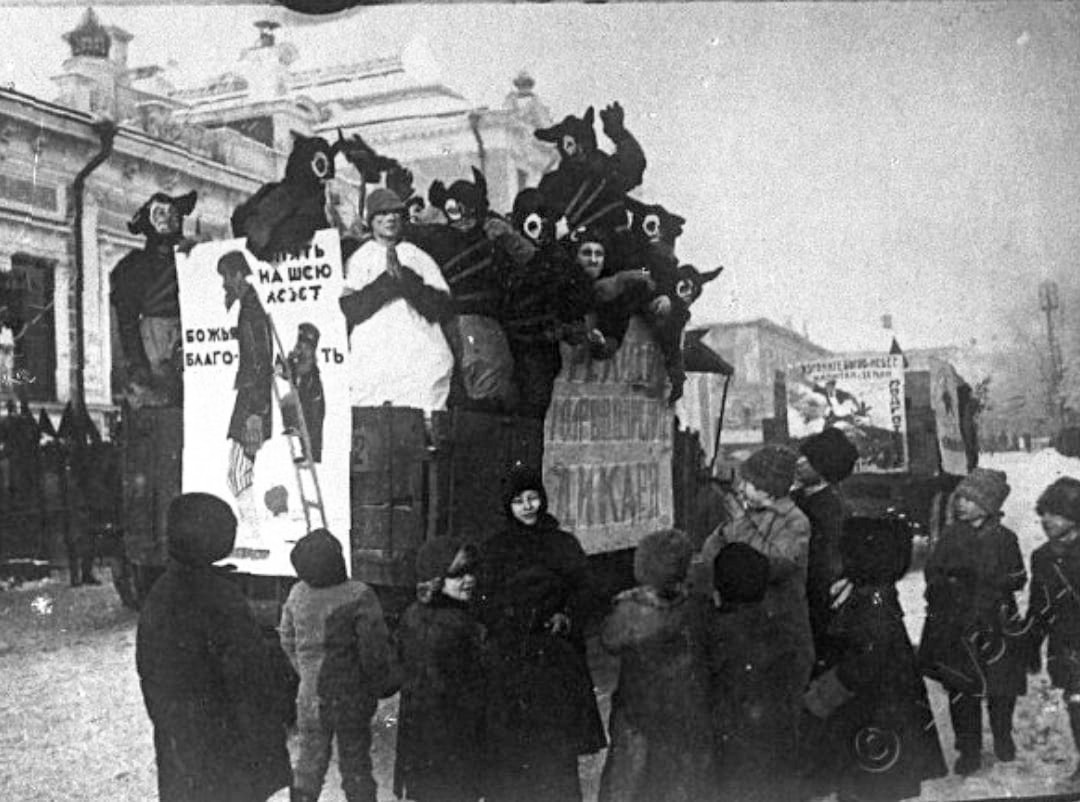
Red Army soldiers would dress up as priests: thus, demonstrating that the priests had “borrowed their vestments from pagans”. And the demonstrators' posters claimed that Christmas had been celebrated even before Christ's appearance in Babylon.
In some cities, marchers stopped near churches to hold a "prayer service". This was also supposed to show that religion was a collection of delusions. After burning effigies and model churches, the ‘Komsomol Christmas’ participants moved to a club, where they lectured one another on the dangers of religion and held dances.
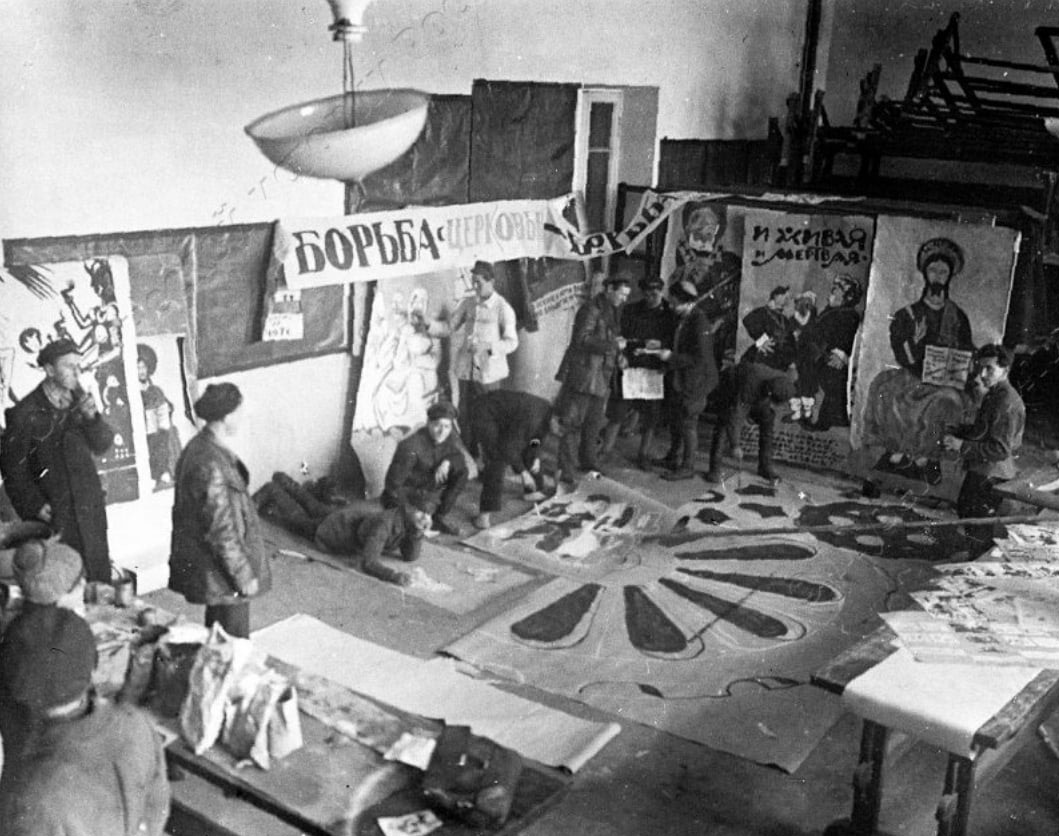
The tradition lasted for several years, after which it degenerated into ordinary club dances "complete with scandal and fighting". The anti-religious processions were gradually forgotten and Christmas slowly blended into an ordinary workday.