
Why did Peter the Great MURDER his son?
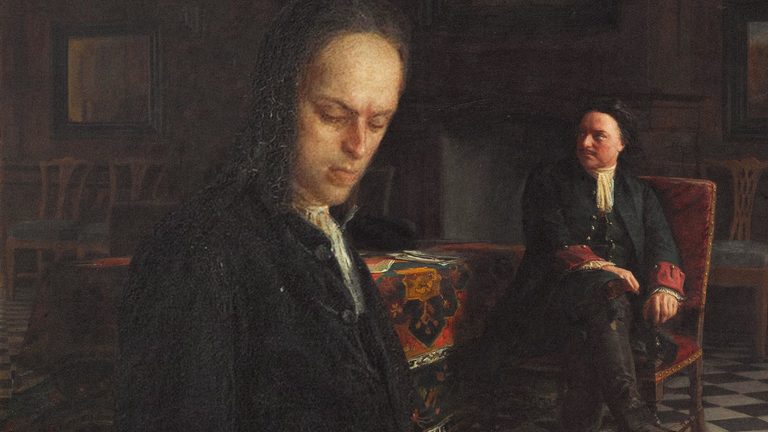
Alexei died from torture on July 7, 1718. And, the very next day, his father was joyfully celebrating the anniversary of the victory in the ‘Battle of Poltava’.
Alexei, the tsar's eldest son, was supposed to continue "Peter's glorious deeds" – improving the state system, expanding and strengthening the state's borders and preserving and increasing the empire's wealth. But, that did not happen.
The boy studied sluggishly and showed no interest in matters of governing the country or military campaigns. The ardent and energetic tsar failed to recognize the same qualities in his son. "He is utterly unfit to govern state affairs," he declared.
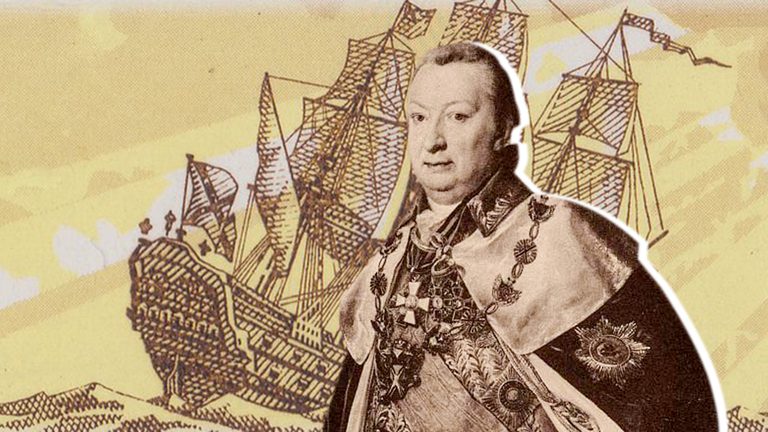
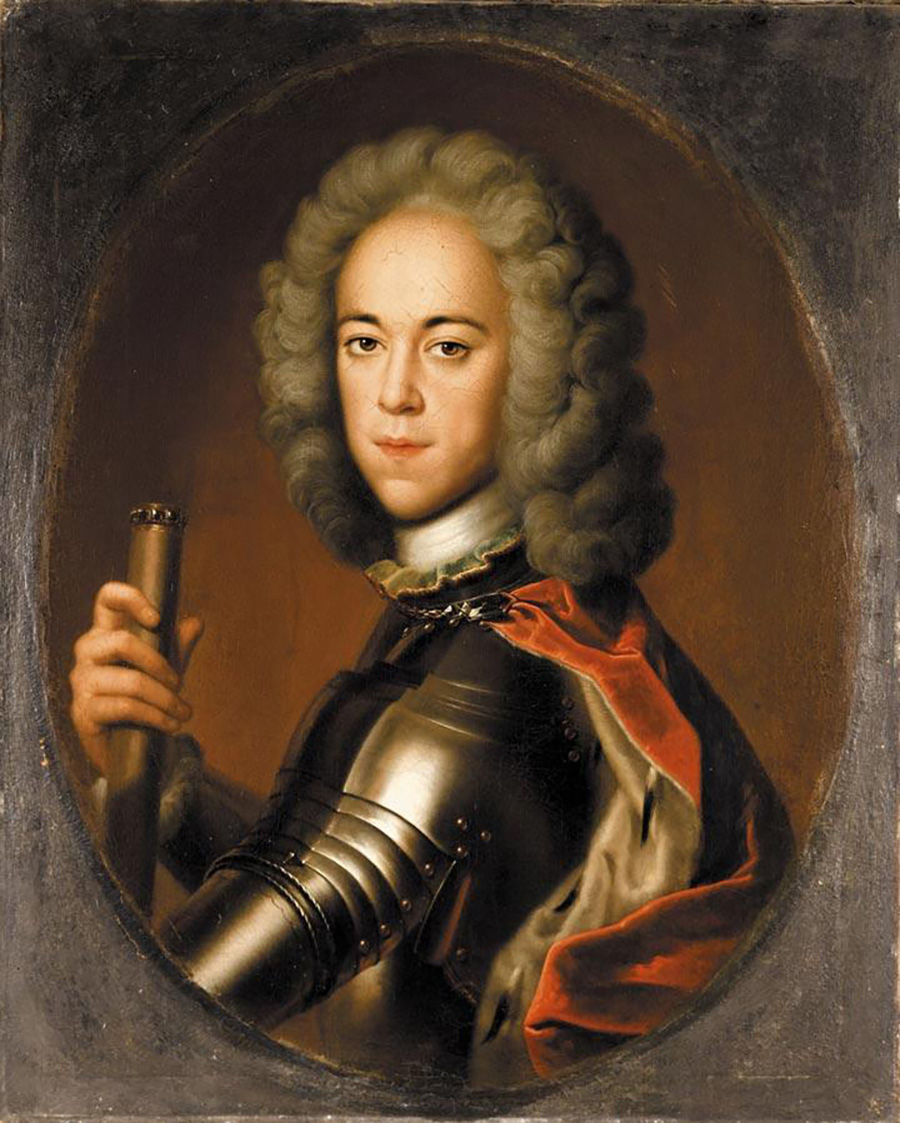 Tsarevich Alexei.
In 1715, the tsar and Alexei each had a son; both named Peter. The arrival of “backup” heirs gave the ruler free rein and he issued an ultimatum to his eldest son: either get his act together or enter a monastery. "And if you fail to do so, I will treat you as a villain," he added.
The tsarevich's response was to flee abroad. He found refuge with his relative, Holy Roman Emperor Charles VI. Alexei declared his ambitions to claim the Russian throne and the Austrians began to consider how best to utilize the fugitive.
Russian diplomats managed to persuade the tsarevich to return to his homeland. Peter promised him forgiveness, but things turned out differently in reality. Alexei was forced to renounce his rights to the throne, after which he was accused of treason against "his sovereign and father".
The tsar saw Alexei as the central figure in a reactionary conspiracy to destroy everything he had created and built. Several of the tsarevich's confidants were executed and he himself was sentenced to death. However, Peter's son did not live to see his execution, dying, instead, from torture on July 7, 1718. And, the very next day, his father was out celebrating and enjoying himself at the festivities commemorating the anniversary of the victory in the ‘Battle of Poltava’.