
How a Soviet surgeon saved a patient using blood from… a dead body!
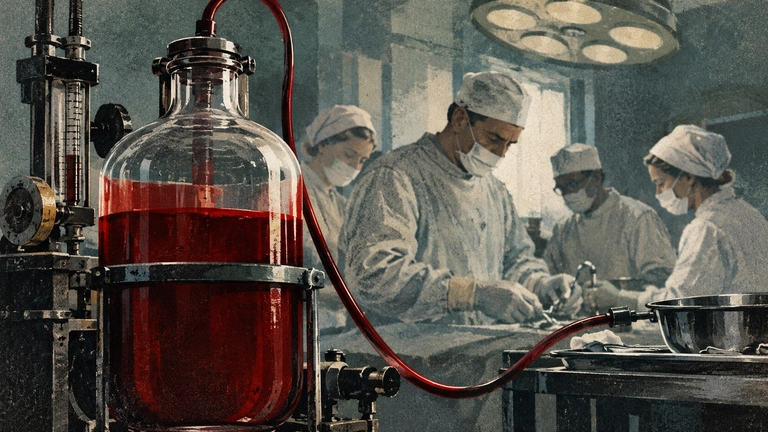
In 1930, surgeon Sergei Yudin successfully performed the world's first blood transfusion using blood from a deceased donor to a living patient.
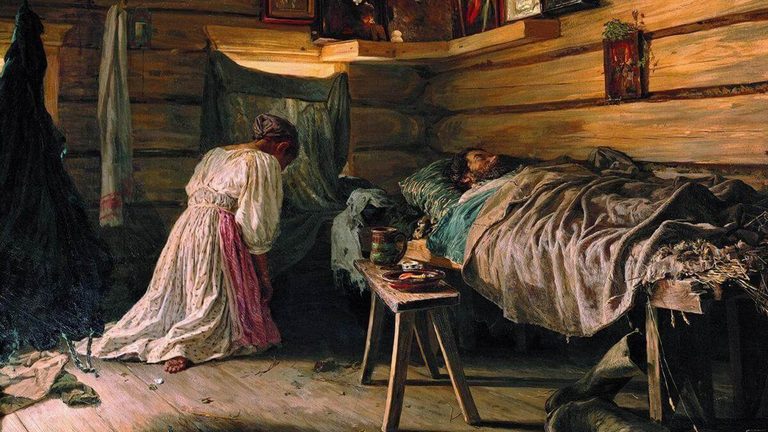
In the early 20th century, blood transfusion was a complex and risky procedure. There were no stockpiles of preserved blood that hospitals could keep on hand. Consequently, a patient could only be saved by a living donor who was physically present nearby – yet finding a suitable match quickly was not always possible. In emergency situations, most patients would die before the necessary help could arrive.
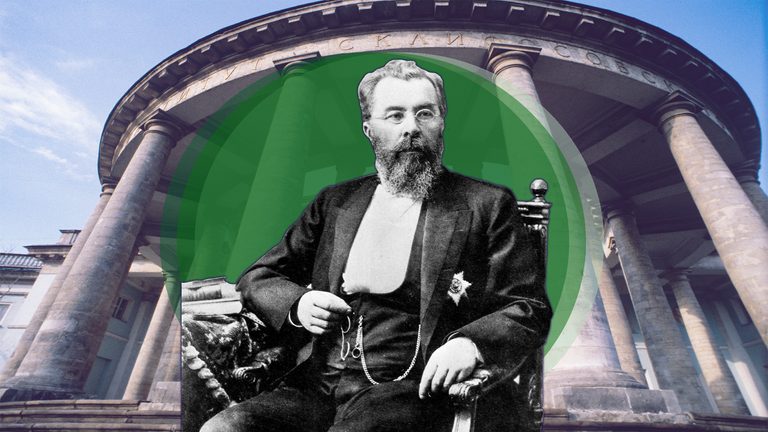
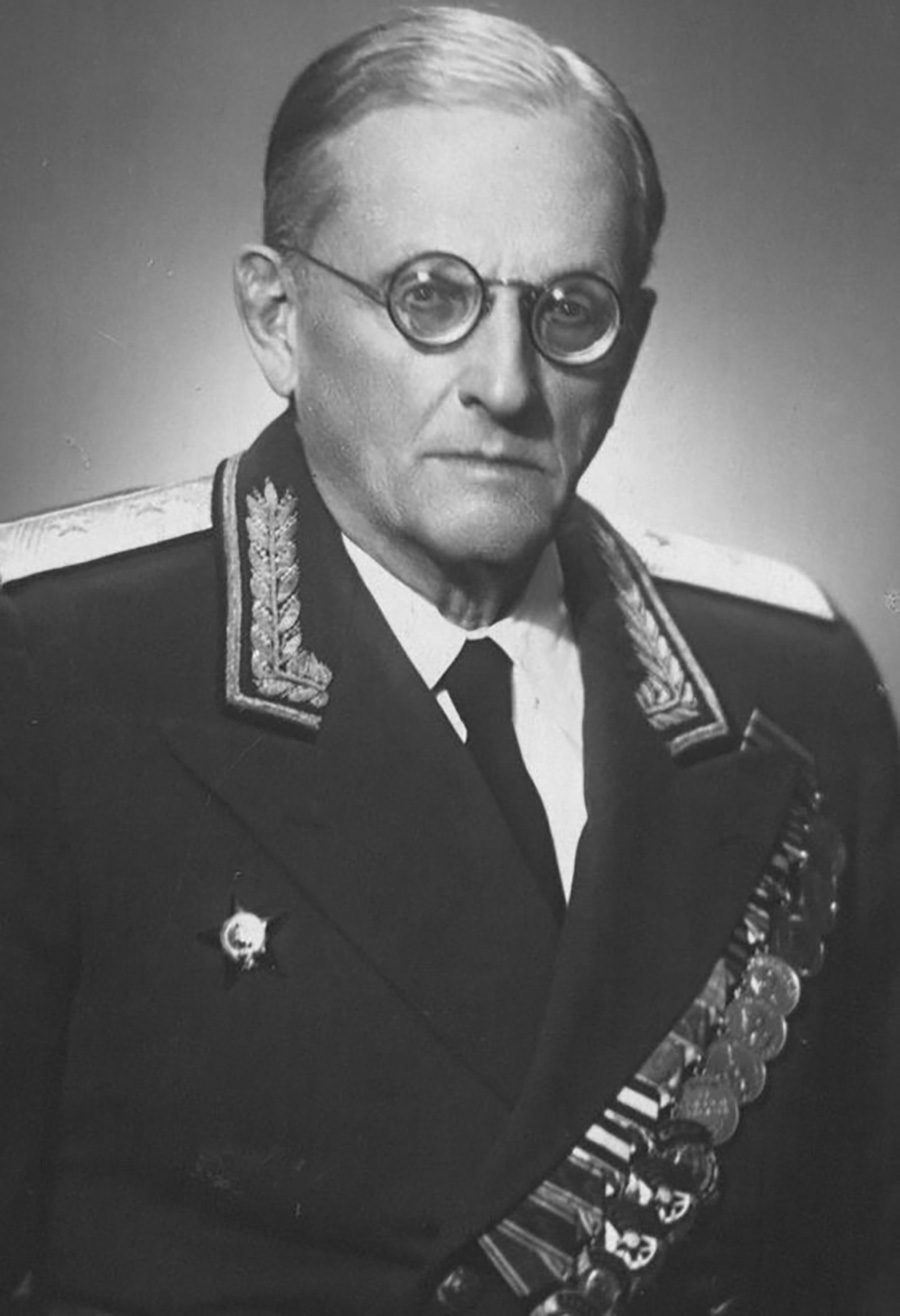 Vladimir Shamov — an outstanding Soviet surgeon and academician
During the 1920s, Soviet surgeon Vladimir Shamov conducted blood transfusion experiments on dogs. In one of the experiments, he drained almost all the blood from one dog and then transfused it with blood from another dog that had been dead for several hours. The dog survived. Shamov, thus, demonstrated that the blood of a deceased subject remains sterile and still capable of transporting oxygen during the initial hours after death. However, he did not dare to apply this method to humans, realizing that failure could lead to criminal prosecution.
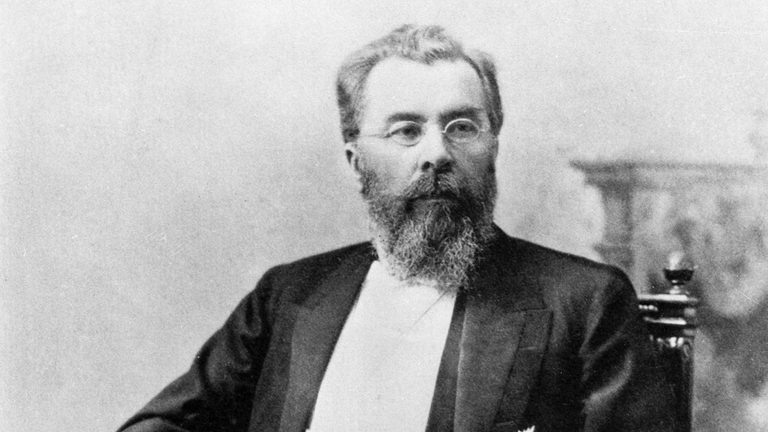
Sergei Yudin
Sergei Yudin, who, at the time, was the chief surgeon at Moscow’s Sklifosovsky Institute for Emergency Medicine – was the first to apply this method to a human patient. He had learned of Shamov’s experiments and became interested in them.
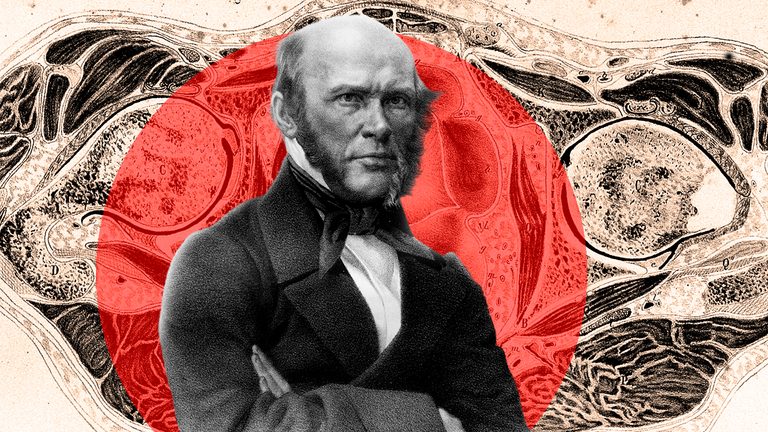
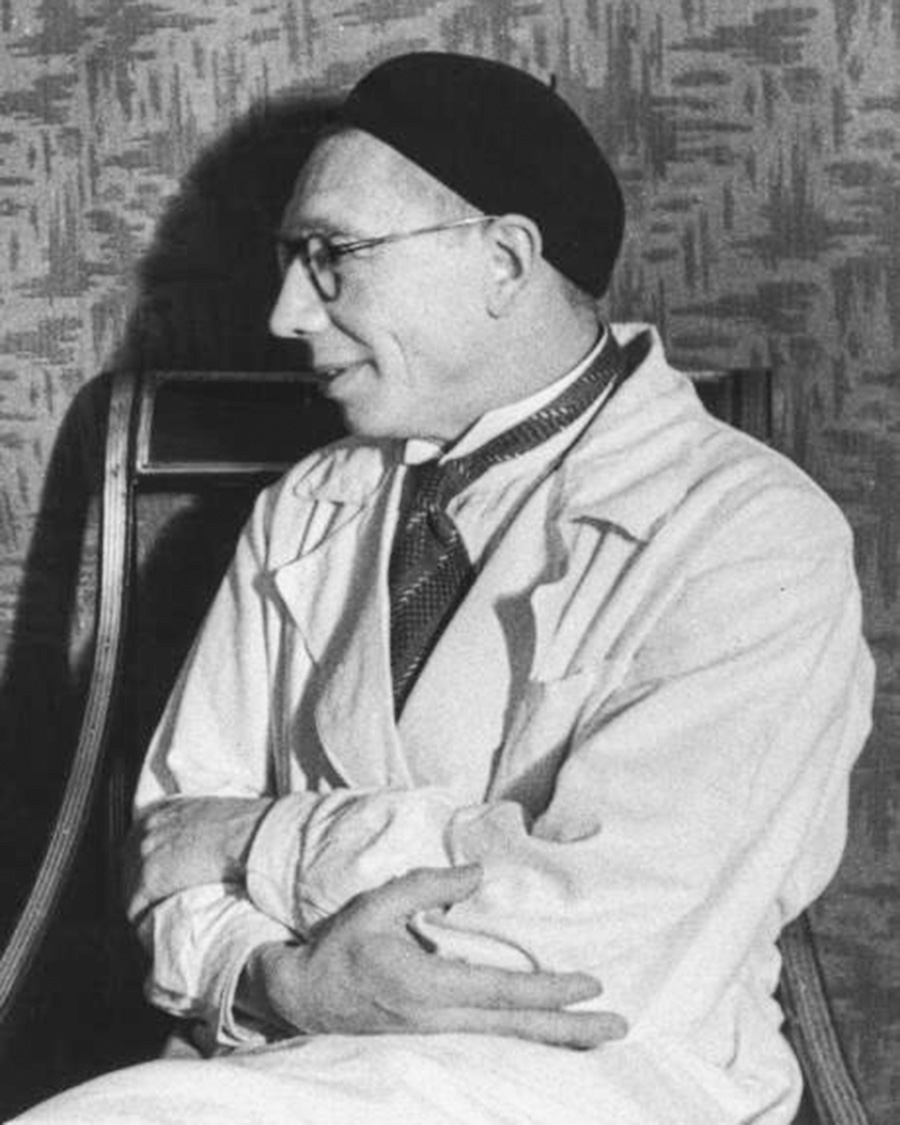 Surgeon Sergei Yudin
On March 23, 1930, a 33-year-old man was brought to his hospital; the man had attempted suicide and suffered massive blood loss. He was on the verge of death. No living donor was available nearby. At the same time, the body of a 60-year-old man who had died of heart failure had been brought to the adjacent morgue. So, Yudin made a risky decision.
A blood transfusion that made history
By the time the surgeon began the transfusion, the patient was already in the throes of death; it was a race against time. Yudin later recalled that after half of the cadaver blood had been infused, "the victim’s skin turned pink, his breathing became calmer and deeper and, by the end of the transfusion, he had fully regained consciousness". A few days later, the very man who had attempted suicide was discharged from the hospital.
This was the world's first documented case of a successful transfusion of cadaver blood to a human being.
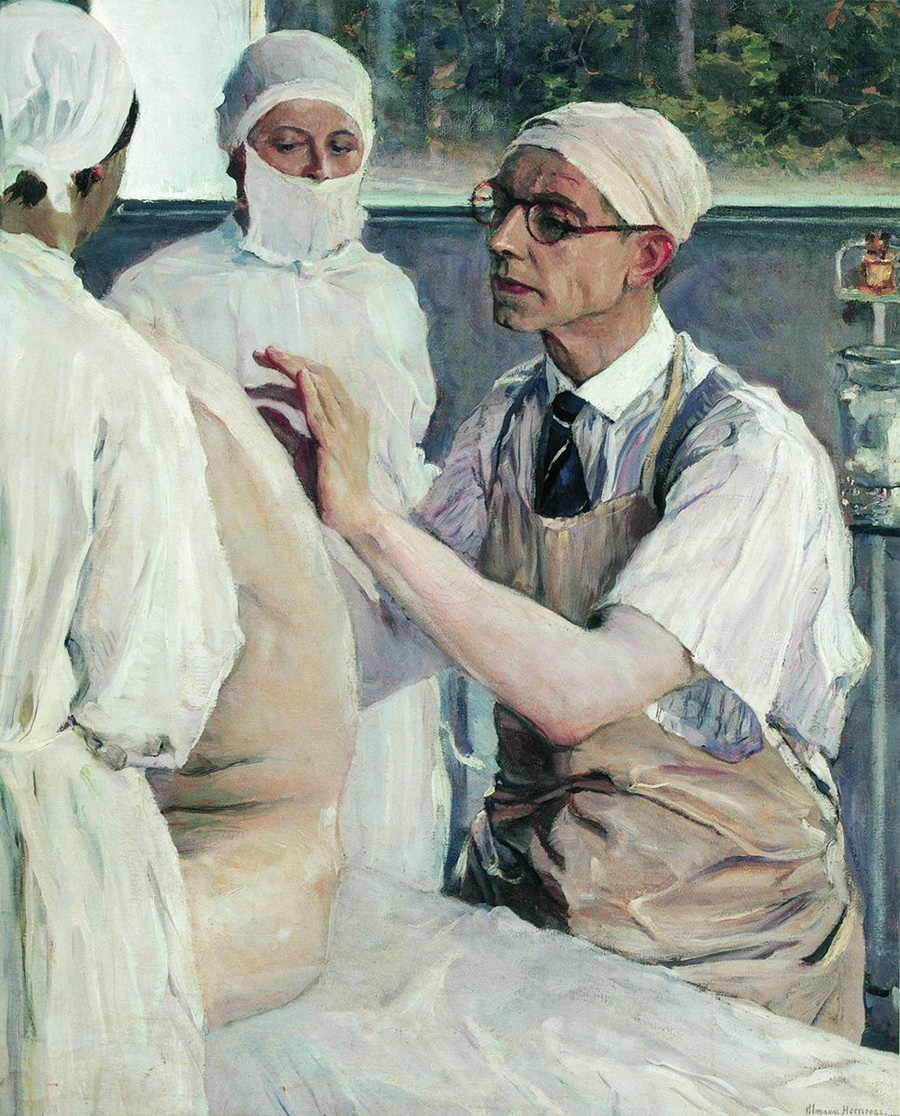 Mikhail Nesterov. Portrait of Sergei Yudin
Following this initial success, Yudin and his colleagues continued to employ the method. By the end of 1930, they had reported several successful transfusions and, by 1932, the figure had reached 200. In total, more than 40,000 such transfusions have since been successfully performed at the Sklifosovsky Institute.