

Solovetsky Islands: A journey into Russian history (PHOTOS)

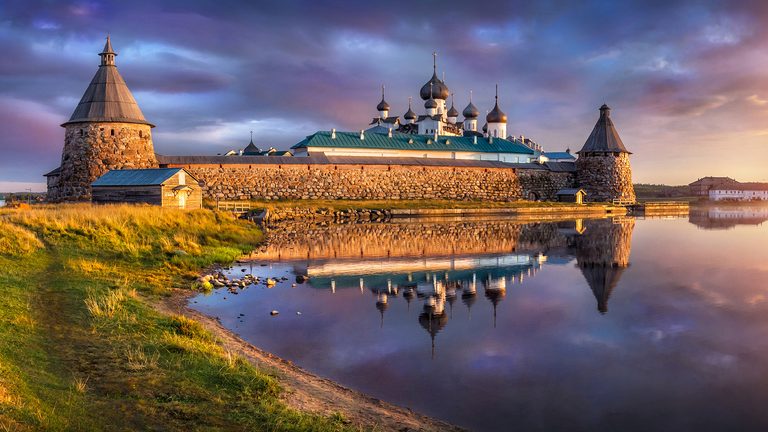
On this remote northern archipelago in the White Sea, many of the most crucial events in Russian history unfolded. And all against the backdrop of amazing northern nature.
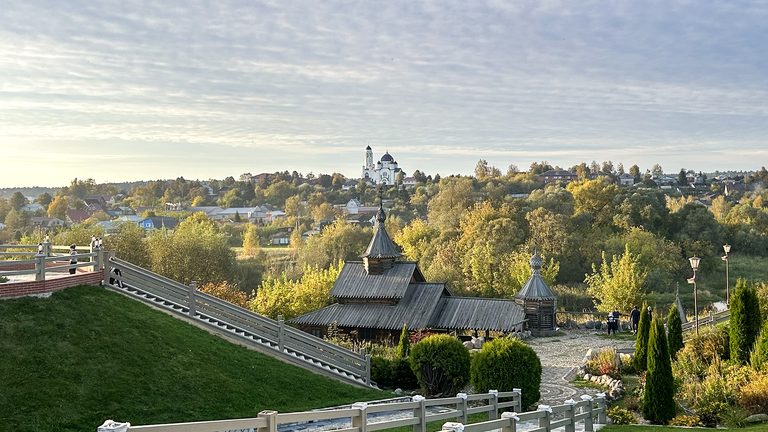
For already seven centuries in a row, monks, convicts, pilgrims and curious tourists have all arrived at the same wharf on Bolshoy Solovetsky Island. After a two-hour voyage across the harsh White Sea, all of them, exhausted by the constant rocking waves, step onto the same stone pier with a stunning view of the local monastery.
Monks & progress
Solovetsky Monastery on the Solovetsky Islands (or just ‘Solovki’, the archipelago, which is now a part of Arkhangelsk Region in the north-west of Russia) was founded in 1436 and is Russia's only sea island monastery.
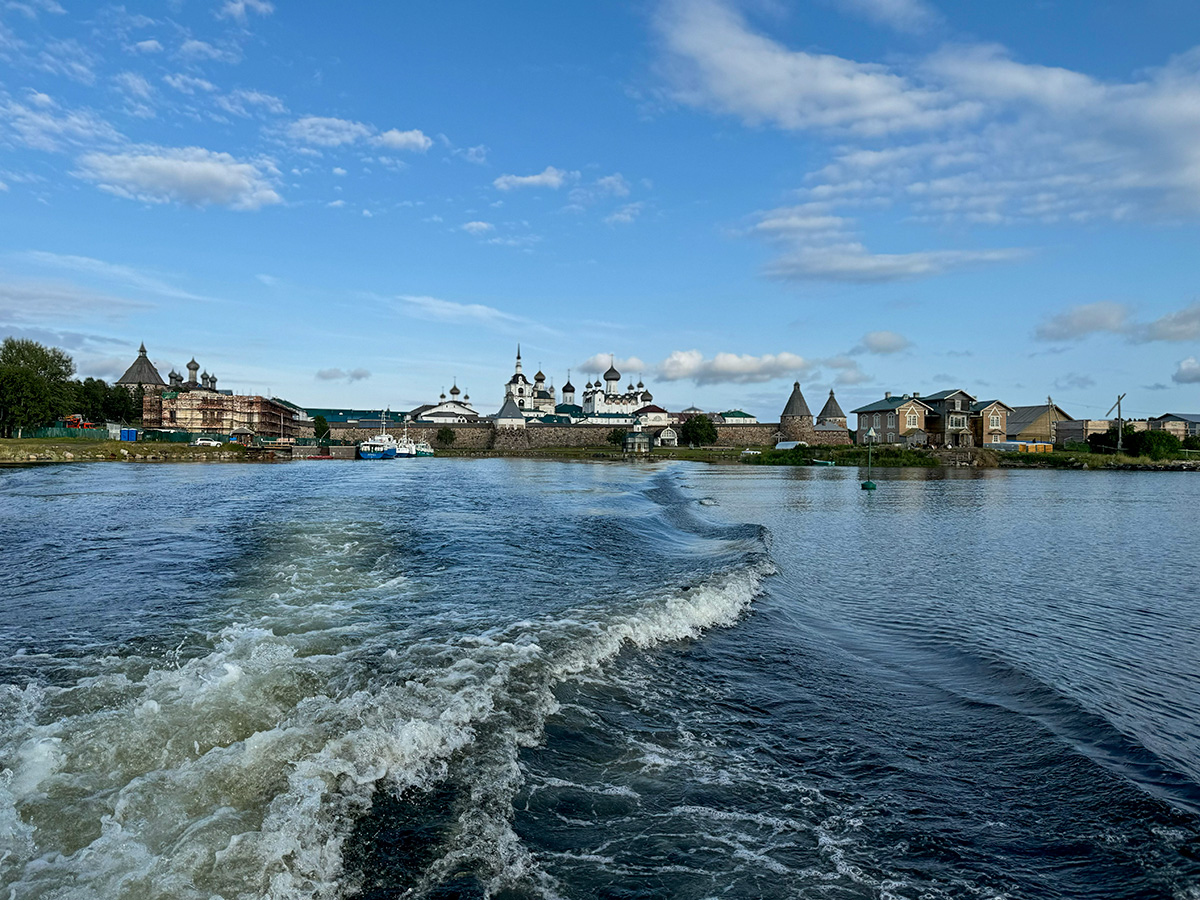
Due to the severe northern climate and location, where navigation is impossible for eight months a year, a unique way of life developed there.
It was there, in the 16th century, that Russia's first ever stone harbor was built. And because of the proximity to northern neighbors with whom wars were being waged, the monks were forced to erect a boulder fortress wall. Some boulders weigh several tons and the exact construction technique remains unknown to this day. And, it was not in vain, as the powerful fortress withstood several sieges by the Swedes back in the 16th-17th centuries.
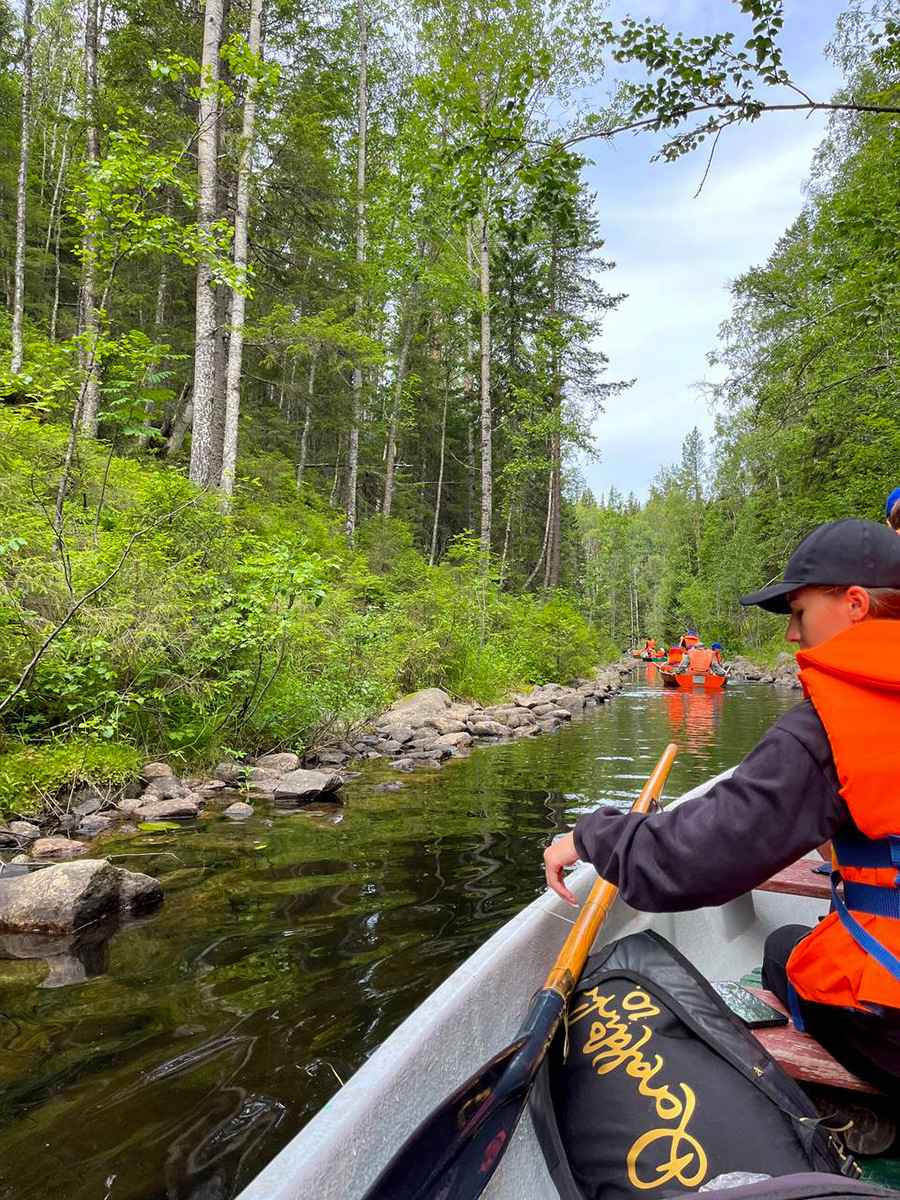
Back then, the monks also began building a system of canals and hydraulic structures to obtain clean drinking water. Today, tourists can boat along these canals, enjoying the beauty of the northern nature.
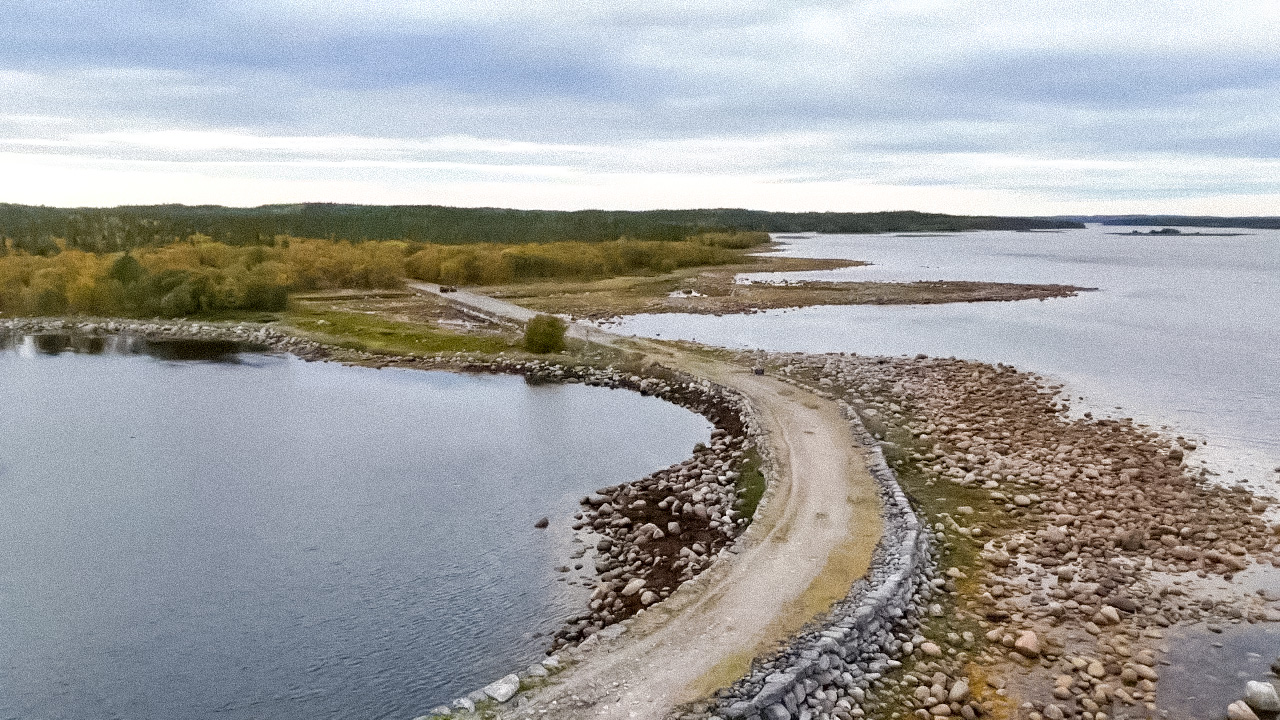
In the 19th century, the monks additionally built a boulder dam over a kilometer long in the White Sea, thereby connecting the two islands of the archipelago.
The holy fortress that suffered for faith
The founders of the monastery were the venerable saints Savvaty, Zosima and German, who went there seeking seclusion.
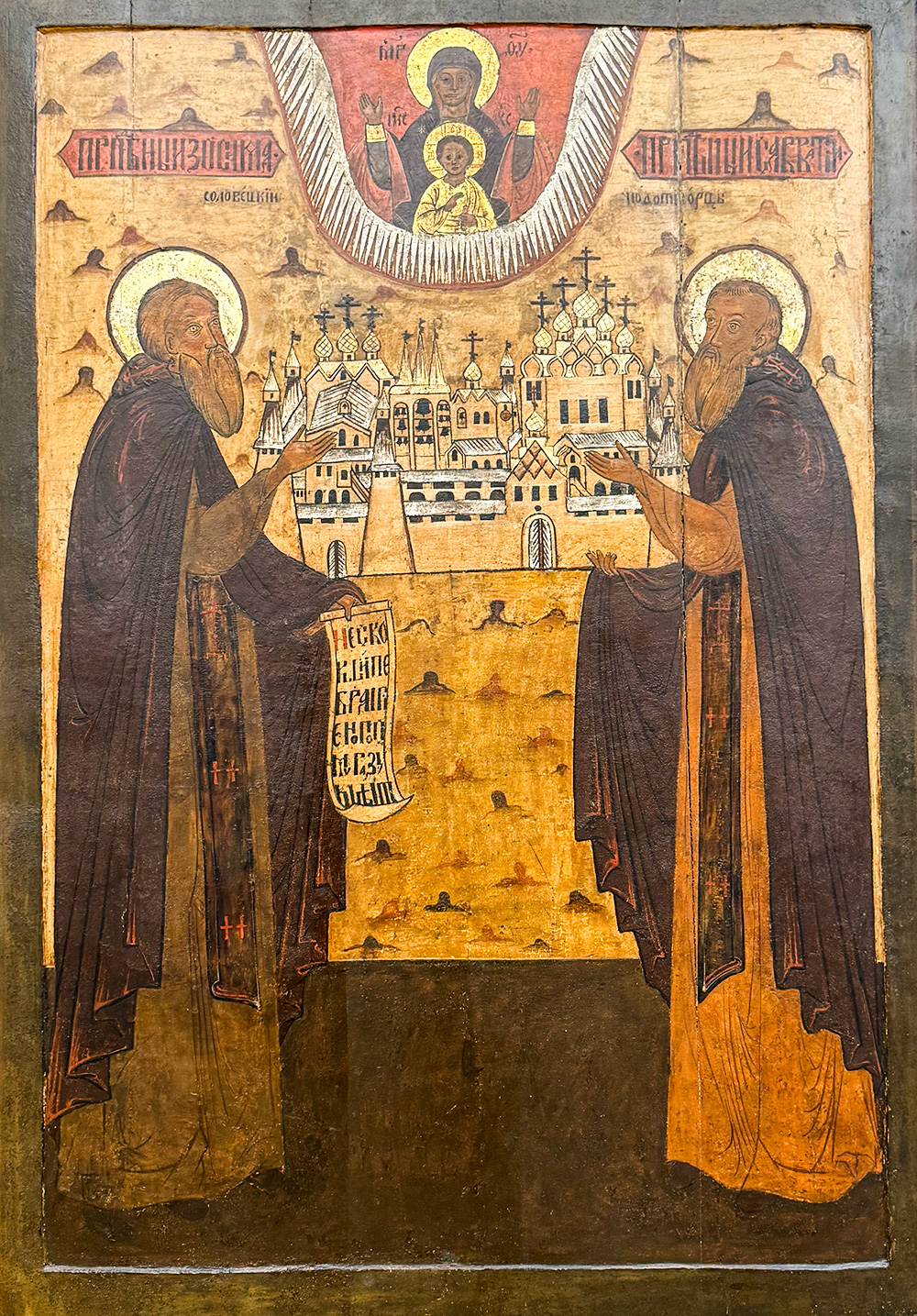
Island isolation left its mark on the monks' worldview. The Solovetsky monks were always independent in their judgments and, although they received significant donations from various tsars and the country's wealthiest people, they were never shy about expressing their opinions.
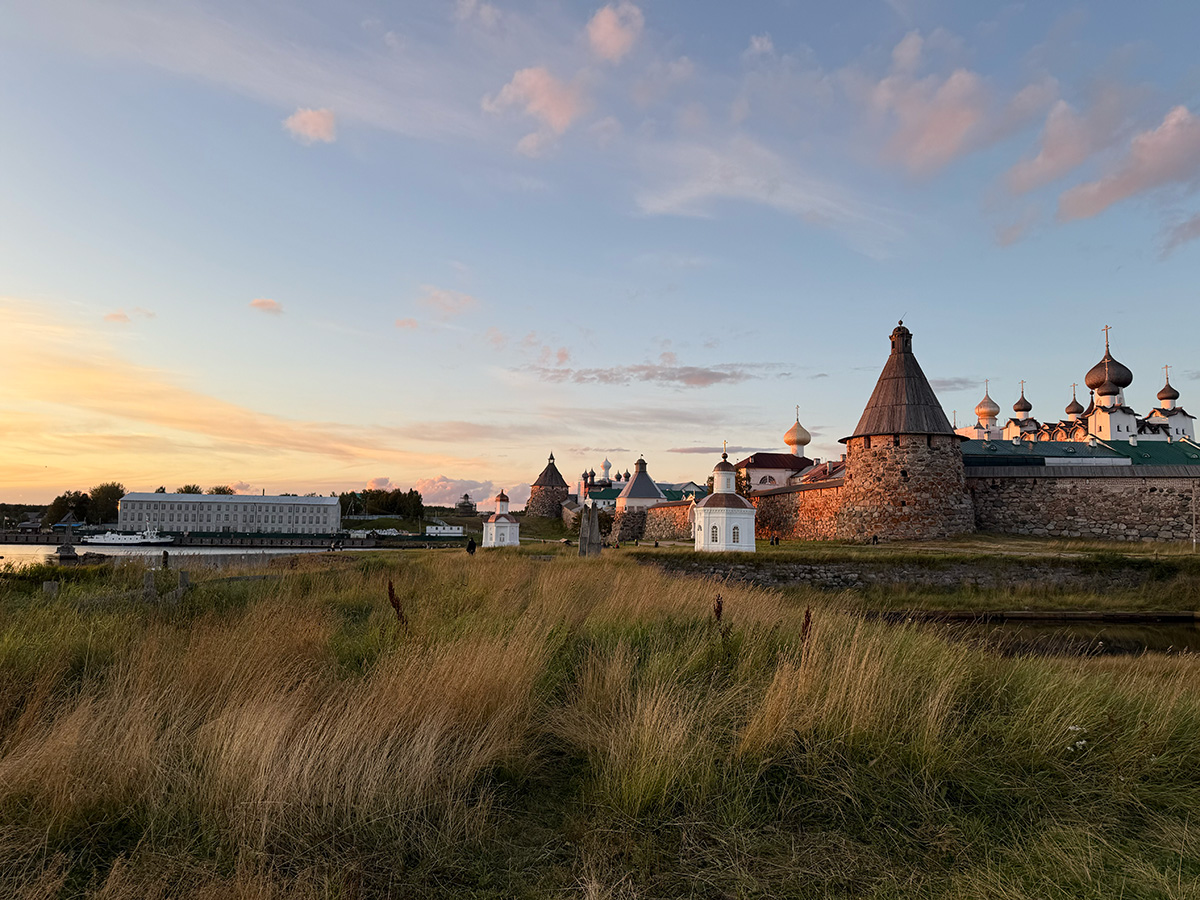
One of the brightest examples is the Solovetsky Uprising, or as it's also called, the ‘Sitting’. In the 17th century, the monks resisted adopting the church reforms of Patriarch Nikon. This is one of the most vivid episodes of the Schism in the Russian Church. Tsarist troops besieged the monastery at that time, but the monks held their defense for almost eight years.
The Gulag Archipelago
Since as early as the 16th century, political prisoners were exiled to the remote Solovetsky Islands and prisoners were kept in the monastery's prison (sometimes, in special holes within the wide wall) and conditions were extremely harsh.
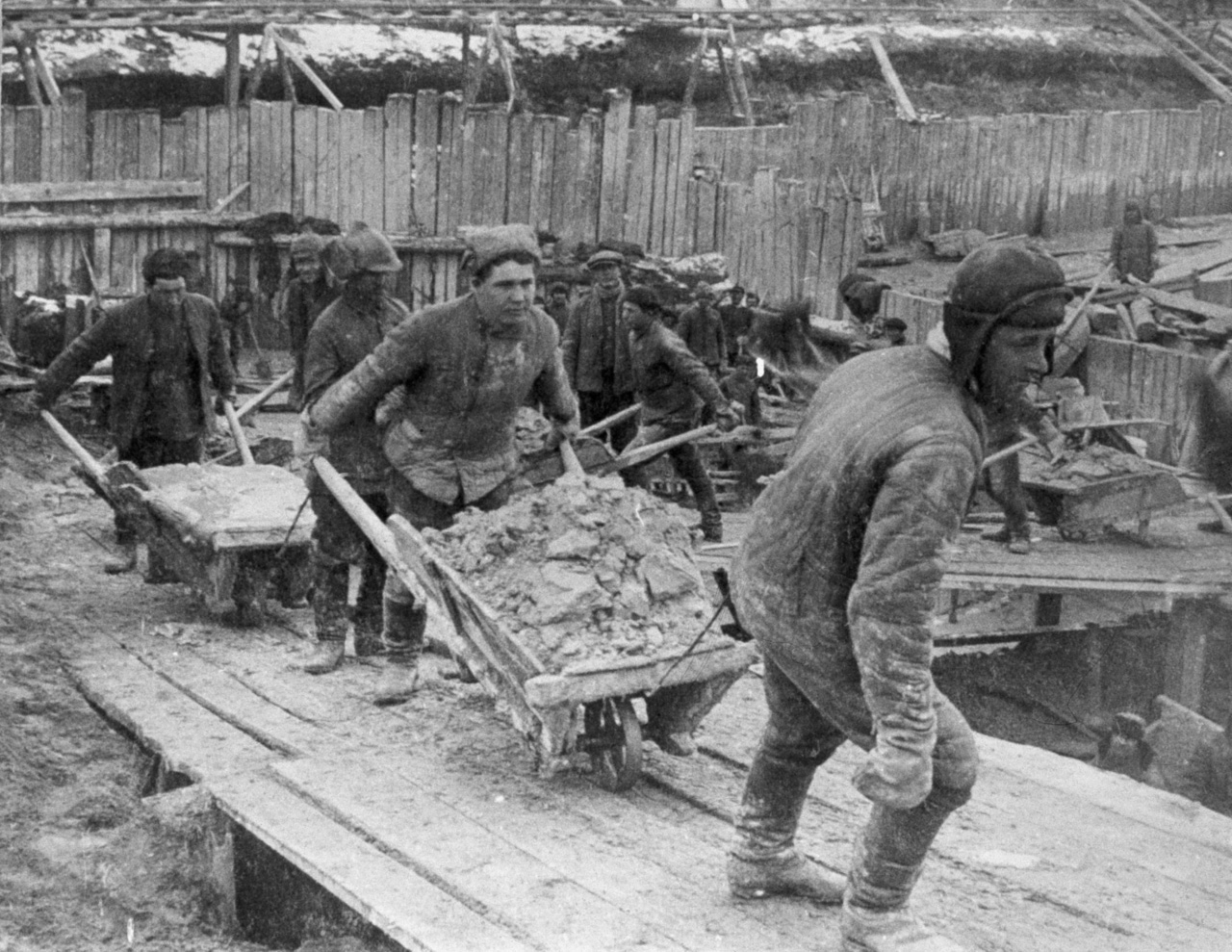
The Bolsheviks adopted this tradition, reasoning that any monastery surrounded by powerful walls was already a ready-made prison for political enemies. Especially such a remote island monastery.
In the 1920s-1930s, one of the first Soviet camps operated there, the ‘Solovetsky Special Purpose Camp’ (‘SLON’). Both political prisoners and criminals were held there. Moreover, every possibility was used for this purpose: they were housed in remote hermitages on all the islands, in monastic cells and even in churches, where bunks for prisoners were built.
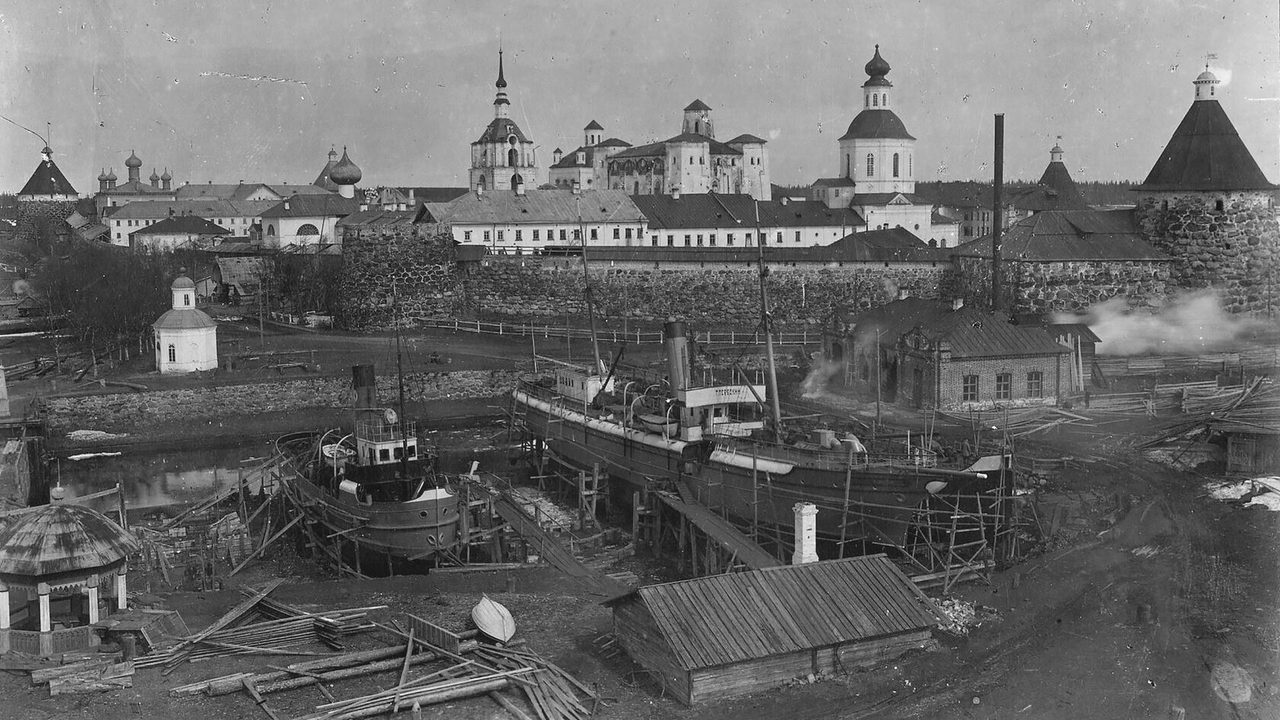
Essentially, ‘SLON’ became a rehearsal for the future Great Purge. It was there that the targeted use of prisoner labor was established, for which the ‘GULAG’ system would become tragically famous for.
Mysterious stone labyrinths
The Solovetsky Islands are at the junction of climatic zones, so, while traveling between islands, one can literally observe the changing nature, from coniferous forests to low-growing tundra.
Scientists believe the first traces of humans on the archipelago date back to as early as the 6th-5th millennia BC.
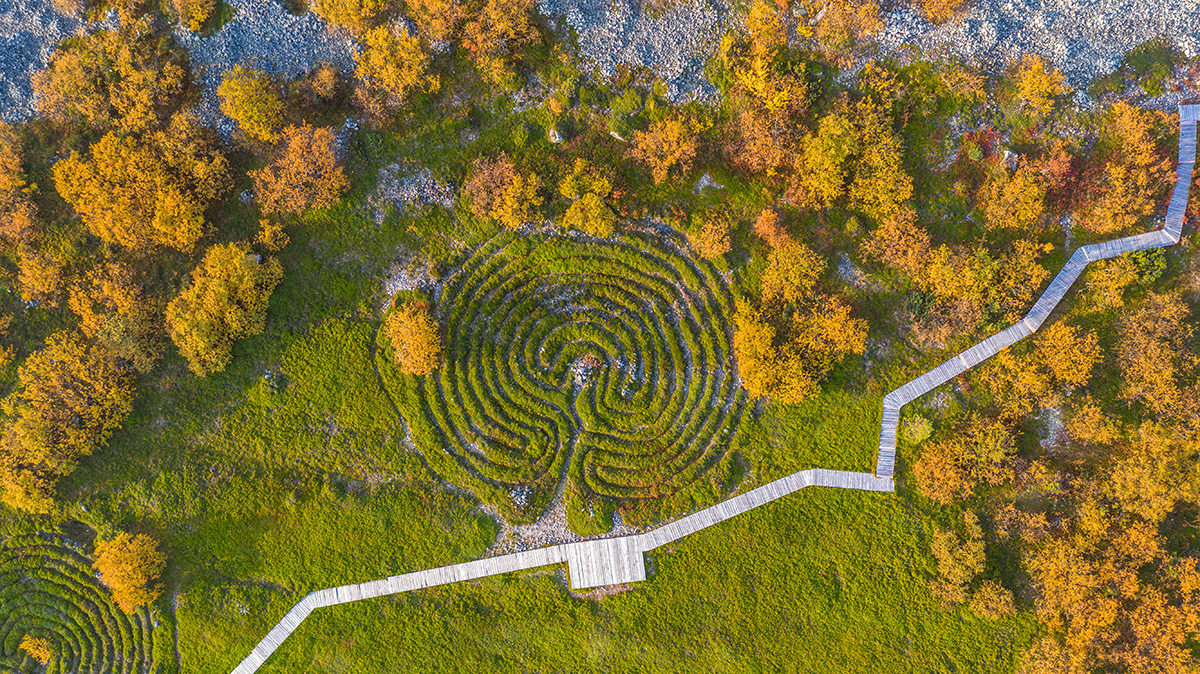
On Bolshoy Zayatsky Island of the archipelago, one can find stone labyrinths of fantastic beauty (incidentally, they can be found all over the Russian North; read more here).
Soviet scientists, who were imprisoned in Solovetsky camp, provided detailed descriptions of them. They suggested that the spiral-shaped stones were laid out by the northern Sami tribes, who once inhabited these areas. There are also versions that these are traces of ancient burial mounds or other cult structures.
‘Solovki’ today
In the 1930s, the camp was closed and the prisoners were transferred to other camps. For some time, a naval cadet school and a Northern Fleet base were based on the islands. Then, in the 1960s, the first museum-reserve was opened there and enthusiasts began arriving with expeditions to restore the architectural monuments and monastery buildings, which had suffered greatly in Soviet times.
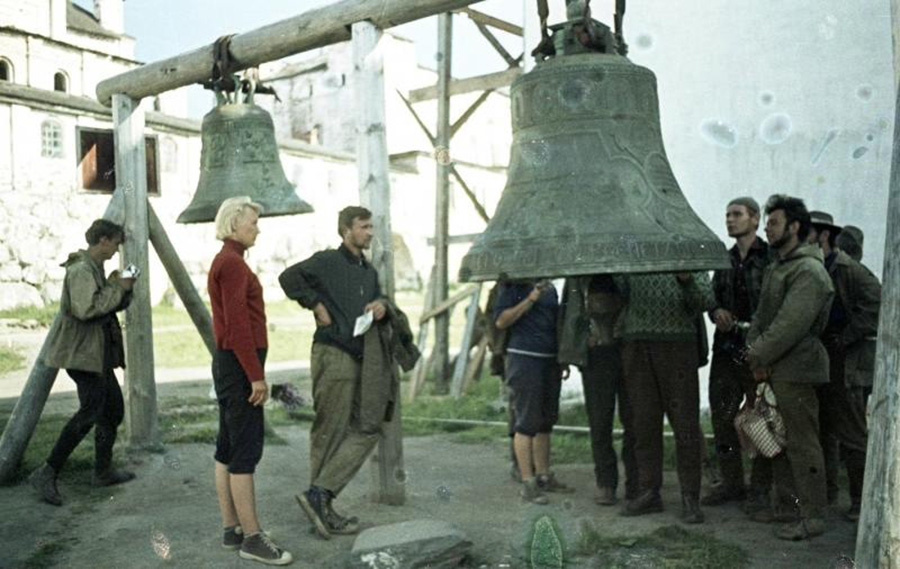
In 1990, the monastery was returned to the Russian Orthodox Church and clerical services and monastic life resumed there. Two years later, the ‘Solovetsky Museum-Reserve’ was included in the UNESCO World Heritage List (see the whole list of UNESCO sites in Russia).
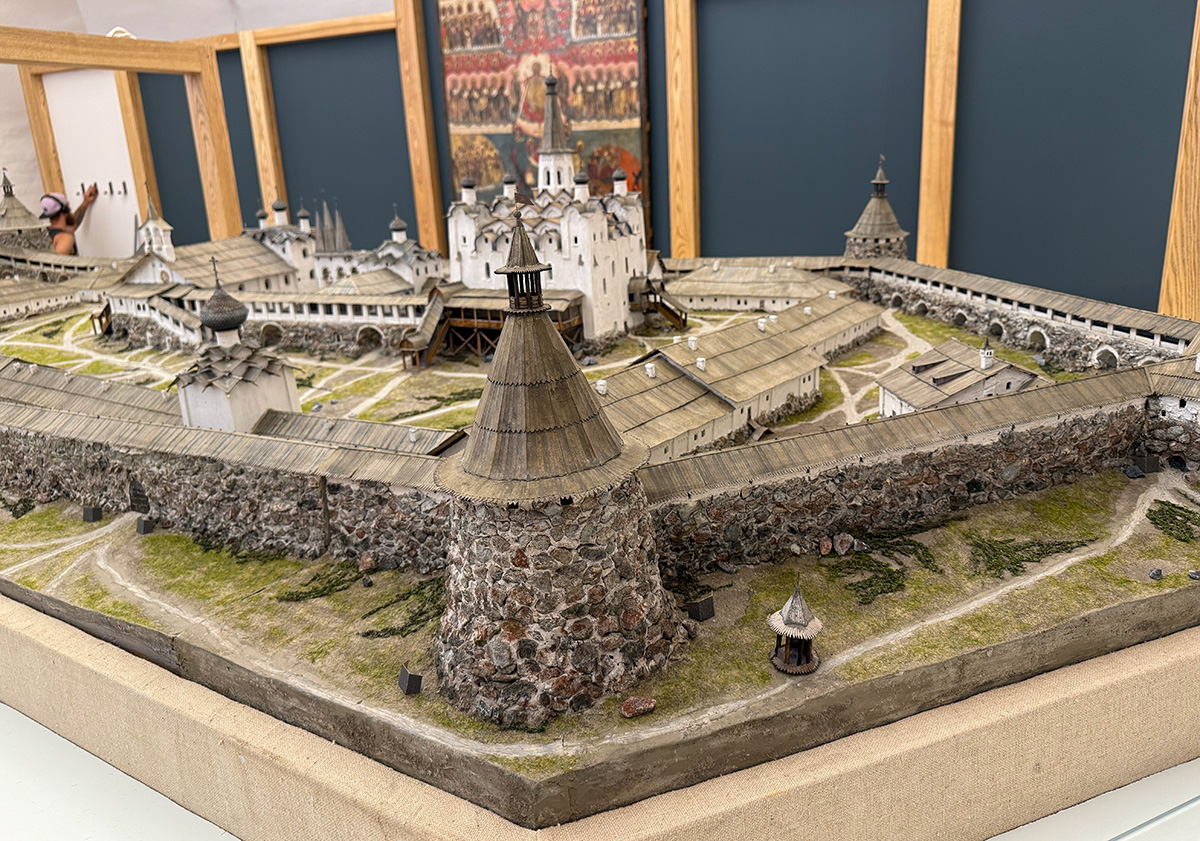
Today, the monastery is almost completely restored. There are also several hotels on the island that host an endless stream of tourists (by the way, you can not only get there by sea, but also by plane from Arkhangelsk!).
To see all the natural and cultural attractions of the archipelago, it's better to plan for at least five days.
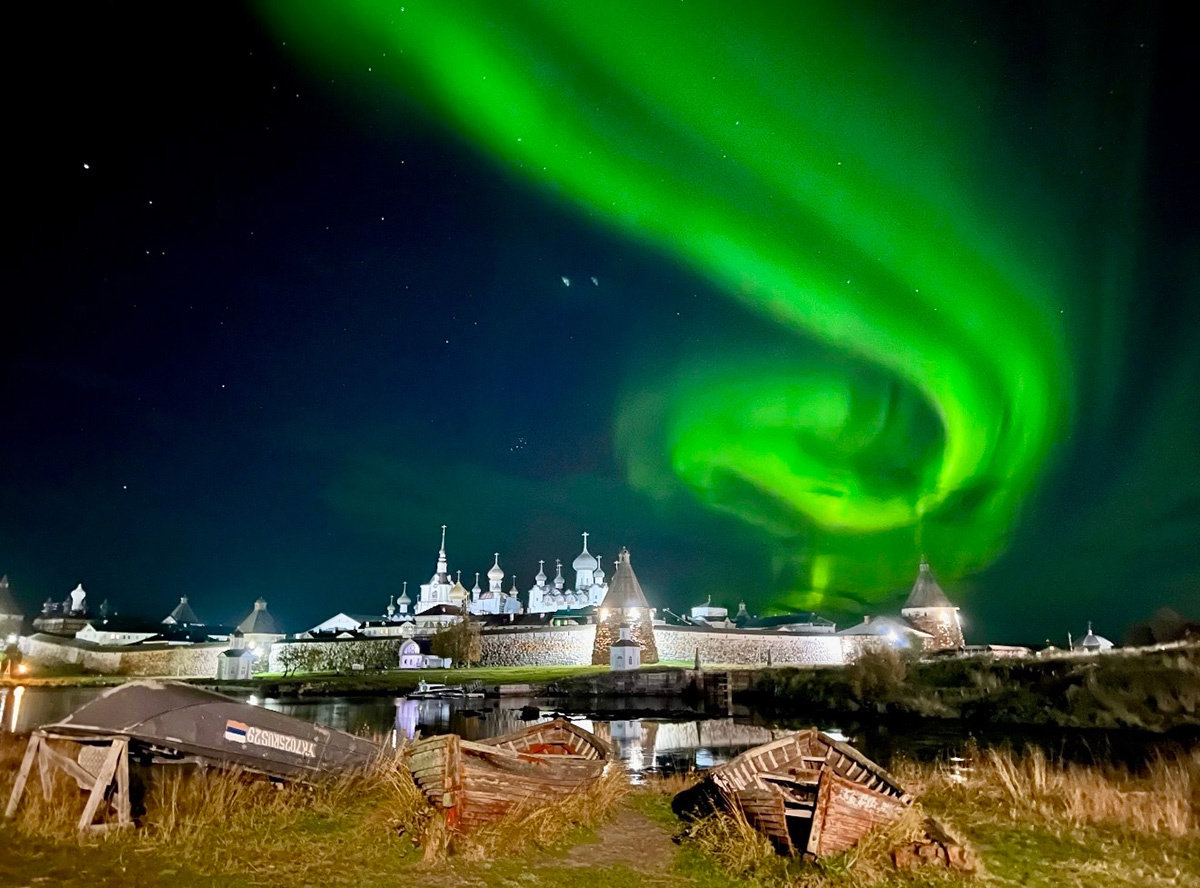
For more details on excursions and other practical information, visit the website of the Solovetsky Museum-Reserve (available in Russian).