
5 major works by Mikhail Bulgakov
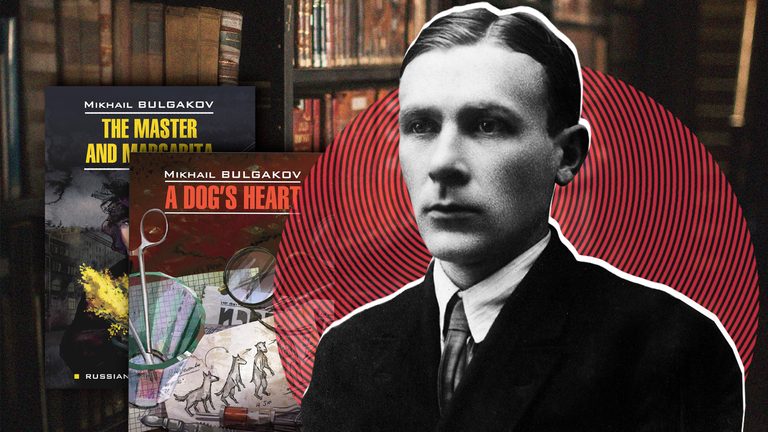
He was a doctor by profession, but became a classic writer of Russian literature.
1. ‘The Master and Margarita’ (1928-40)
The writer's magnum opus and one of the most popular Russian works of the 20th century, blending mysticism, philosophical allegory, political satire and a love story.
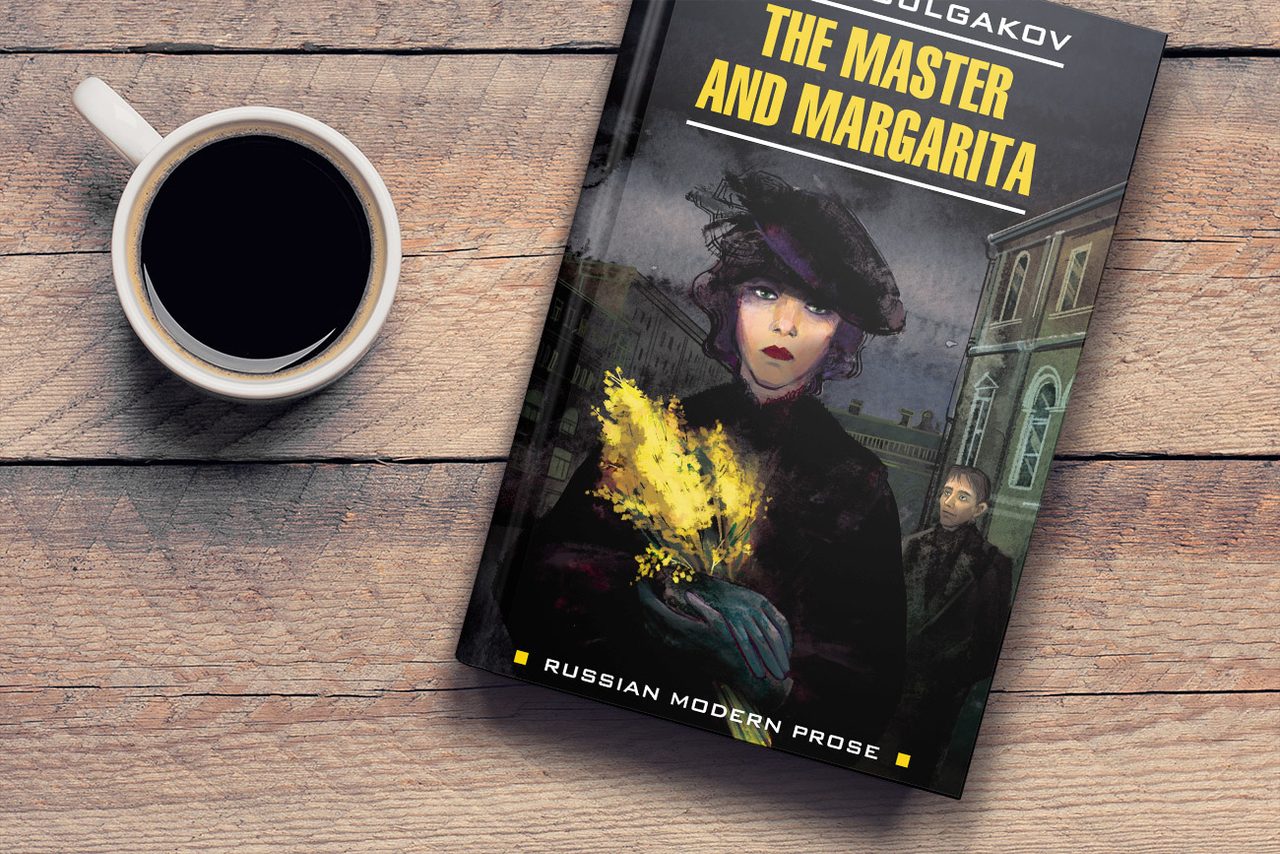
In 1930s Stalinist Moscow, a mysterious foreigner named Woland (who, in fact, is Satan) arrives with his retinue to host his annual ball. At the same time, a heart-wrenching love story unfolds between a disgraced writer (the Master) and Margarita, who is married to a famous engineer. The Master is writing a novel about Pontius Pilate and Jesus Christ, which drives him to madness. To save the Master, Margarita agrees to become the queen of Woland's ball. Meanwhile, the narrative weaves in the Master's own chapters set in ancient Jerusalem, reinterpreting the biblical story as a philosophical drama about cowardice and the impossibility of evading responsibility.
2. ‘Heart of a Dog’ (1925)
In 1920s Moscow, Professor Preobrazhensky, a brilliant surgeon, transplants the pituitary gland of Klim Chugunkin, a dead drunkard and lumpen proletarian, into a stray dog called ‘Sharik’. The sweet and grateful animal rapidly transforms into a repulsive, hideous human-like creature named Polygraph Sharikov – the embodiment of arrogance, ignorance and aggressive vulgarity. Sharikov immediately adopts the Bolshevik rhetoric and begins to ruin the professor's life.
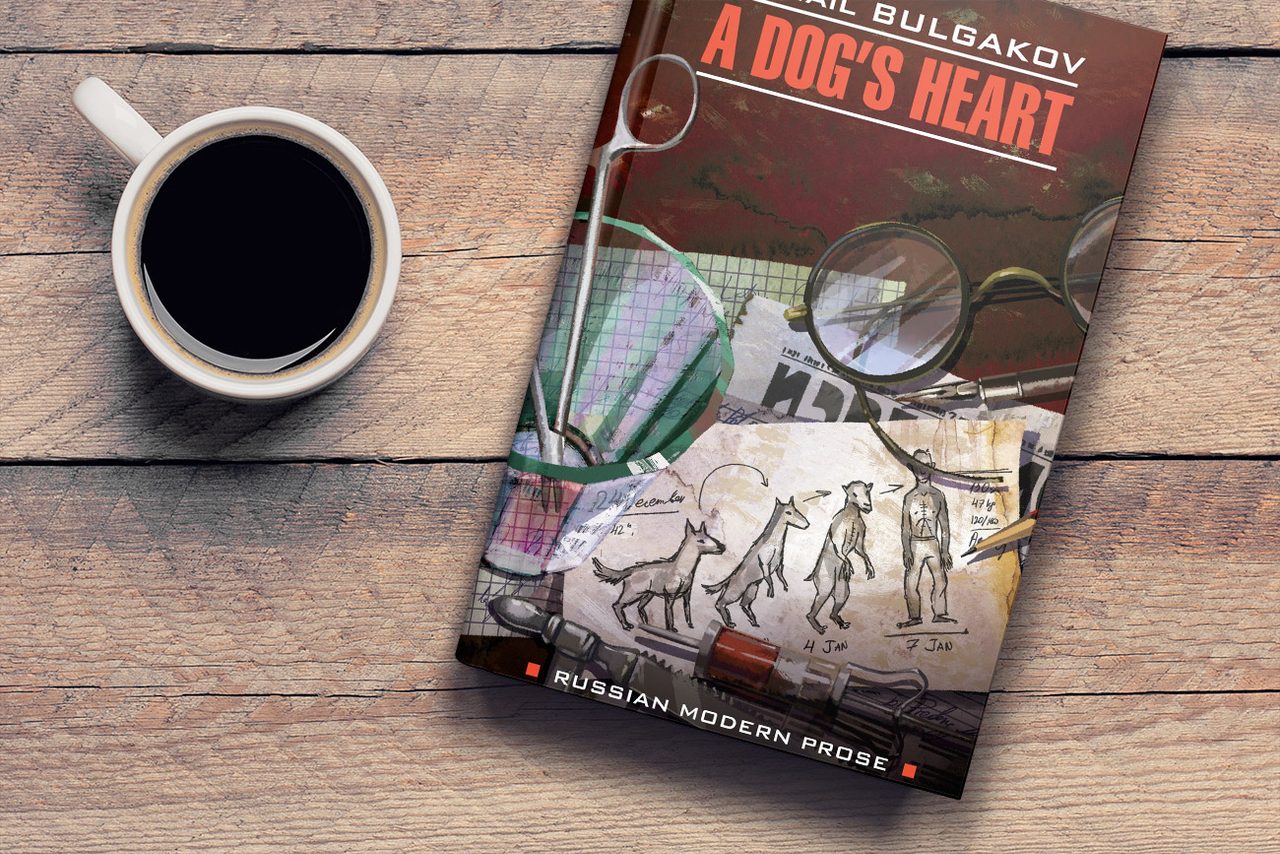
Bulgakov wrote a satirical novella based on a metaphor for revolution. An attempt to artificially create a "new man" from a dog results not in evolution, but in the emergence of a monster. The novella's central theme is that one cannot violate nature, be it human or society, with impunity.
3. ‘The White Guard’ (1923-24)
A largely autobiographical work, it describes the tragedy of the Turbin family and the collapse of the old world in the maelstrom of the Kyiv Civil War of 1918-1919.
Power changes hands every few weeks and Petliura's troops are advancing from the outskirts of the city. At the center of this storm is the Turbin family – Russian intellectuals and White Army officers – who are struggling with their last ounce of strength to preserve the dignity and warmth of their homes. A chronicle of doomed people, whose ideals are shattered by the bloody chaos amid the roar of cannons and the scent of a Christmas tree. The story is notable for its psychological depth and an interpretation that was unusual for its time: the opponents of the Bolsheviks are portrayed as living, likable people, rather than ideological caricatures.
4. ‘Notes of a Young Doctor’ (1925-26)
A doctor who has just graduated from university arrives in a remote Russian village, where he finds himself the only doctor for miles around. And this former student is forced to perform the most complex surgeries, deliver babies and battle illnesses and the peasants’ ignorance all on his own, without the help of colleagues or modern equipment.
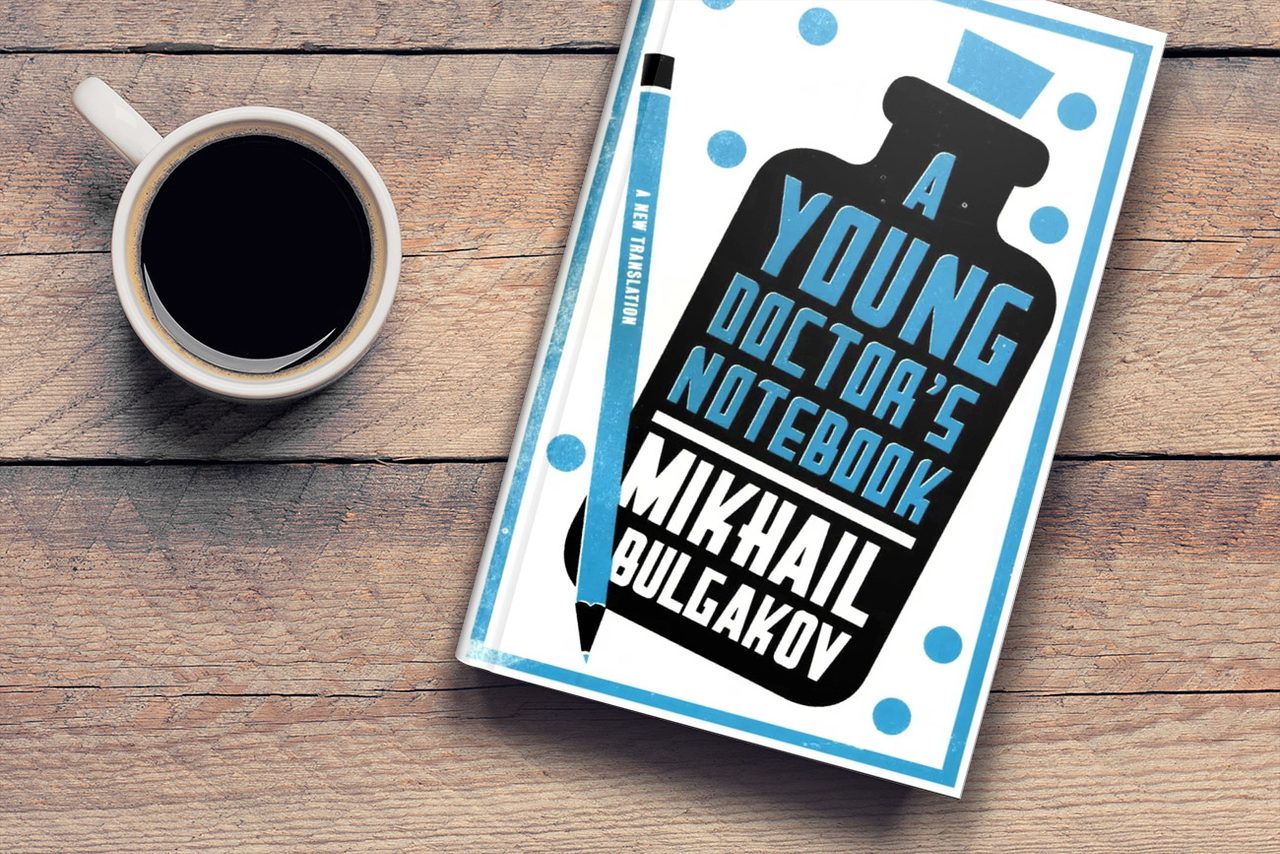
Each story in the collection is a drama literally about life and death, about doubts and triumphs, told with a distinctive medical sense of humor. It's worth noting that the collection is autobiographical, based on Bulgakov's own real-life experiences as a doctor.
5. ‘Theatrical Novel’ (‘Notes of a Dead Man’) (1936)
A satire on the behind-the-scenes life and bureaucracy of Soviet theater, particularly the customs of the Moscow Art Theater. Journalist Maksudov unexpectedly receives an invitation to the legendary Independent Theater (read: Moscow Art Theater), where he is greeted by caustic administrator Bombardov and sycophantic critic Likospastov. In the office of director Ivan Vasilyevich (a parody of Stanislavsky), Maksudov reads his novel. The old man is thrilled and demands that it be immediately turned into a play.
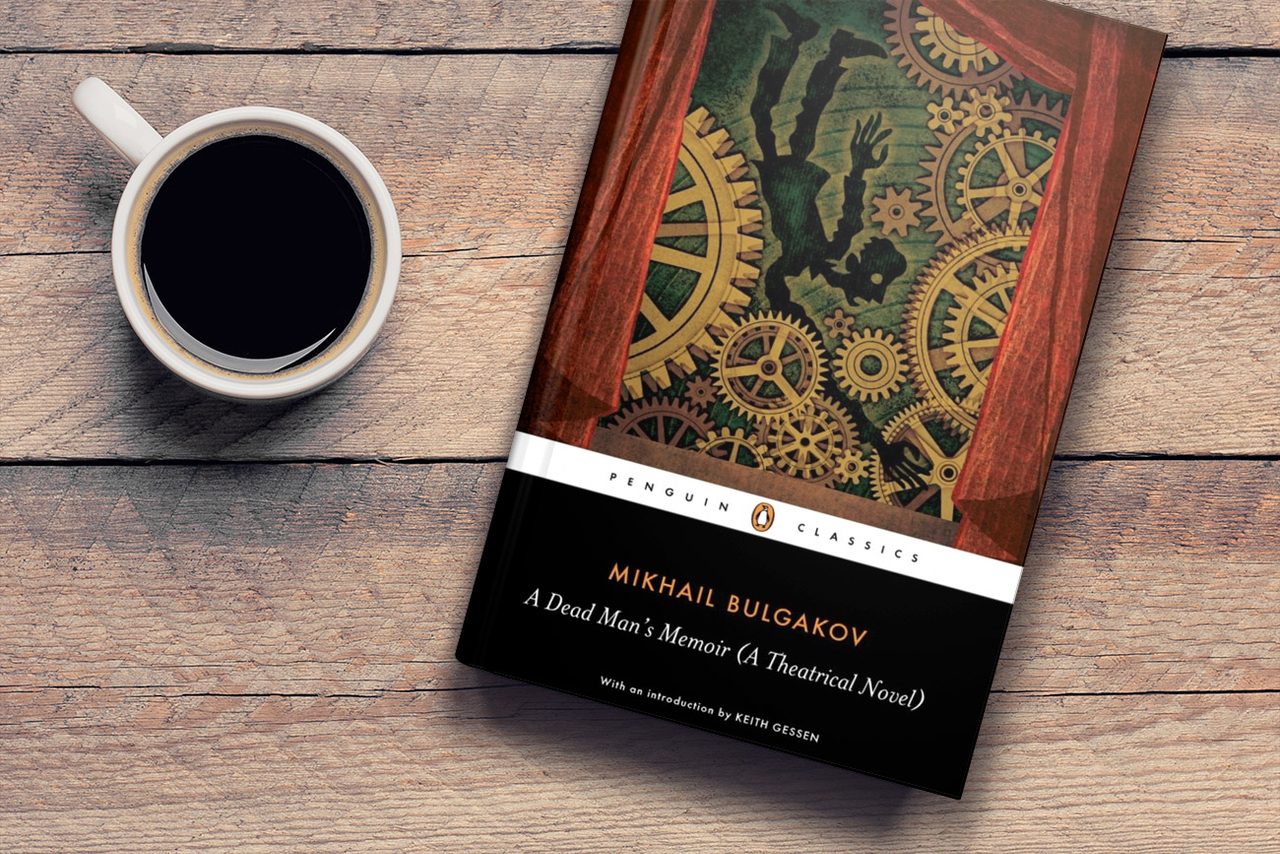
From this moment on, the author’s whirlwind journey behind the scenes begins. In the end, after all the humiliations and endless demands to rewrite everything beyond recognition, Maksudov realizes his vision has been destroyed and a mysterious figure has taken the manuscript. After that, the author then throws himself off the Chain Bridge into the Dnieper River.
The novel depicts the conflict between the creative individual and the system and the need to compromise. Bulgakov himself found himself in this situation more than once.