
5 Russian novels that took the longest to write
Some authors spent nearly their entire lives writing these novels, enduring emigration, persecution, war and changes in their own beliefs.
Russian literature has no shortage of examples where work on a single book stretched on for decades. However, the internal timeline of such books is sometimes significantly shorter. So, which books took their authors 15, 20 or even 50 years of hard work?
1. Alexander Solzhenitsyn. ‘The Red Wheel’: 53 years (1936–1989)
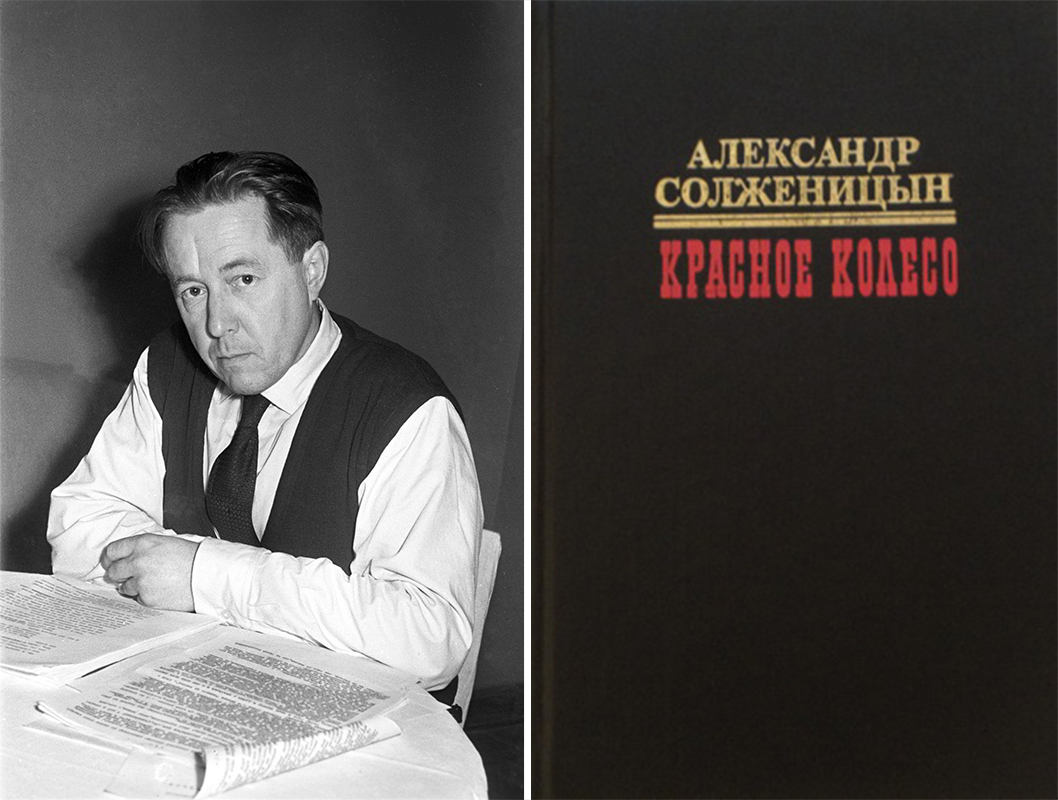
‘The Red Wheel’ is an epic novel about the fate of Russia, spanning the events of World War I and the February and October Revolutions (1914–1917). Despite the novel’s relatively short chronological span, Solzhenitsyn spent over half a century working on it: from 1936 to 1989. The idea was conceived by a 17-year-old student in Fall 1936: He decided to write "a great novel about the Russian Revolution". However, the writer only began active work in the 1960s, after the success of ‘One Day in the Life of Ivan Denisovich’. The conditions under which he wrote changed. The writer worked first in the USSR, then in exile, where he gained access to archives. He completed the main ten volumes in 1989 and submitted the final revision after returning to Russia in the 1990s.
2. Alexei N. Tolstoy. ‘The Road to Calvary’ (‘The Ordeal’): 23 Years (1918–1941)
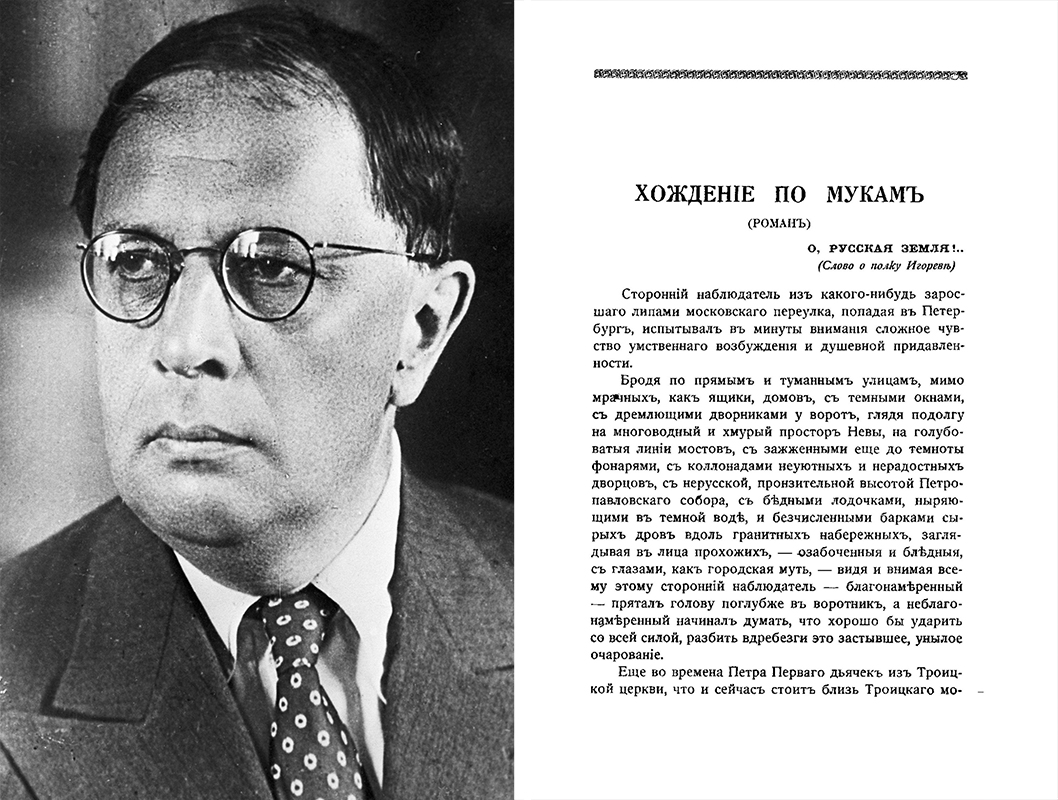
Tolstoy made his first drafts in Odessa in Summer 1918. The bulk of the work on the first part of the trilogy took place while he was in exile: first in Paris and then in Berlin. In 1922, the book was published under the title ‘The Road to Calvary’ (also known as ‘The Ordeal’). This early work was permeated with melancholy and a sense of impending disaster. However, in 1923, Tolstoy returned to Soviet Russia. Consequently, he radically rewrote the first novel, editing it to conform to new ideological requirements. The rewritten work was published under the title ‘Sisters’ and the title of the entire trilogy became ‘The Road to Calvary’. For the 10th anniversary of the October Revolution, the writer completed the second book, ‘The Eighteenth Year’. The style became more epic and the novel about private life transforms into a historical canvas. And, finally, the final part of the trilogy, ‘A Gloomy Morning’, completed on June 22, 1941, the first day of the Great Patriotic War.
3. Ivan Goncharov. ‘The Precipice’: 20 Years (1849–1869)
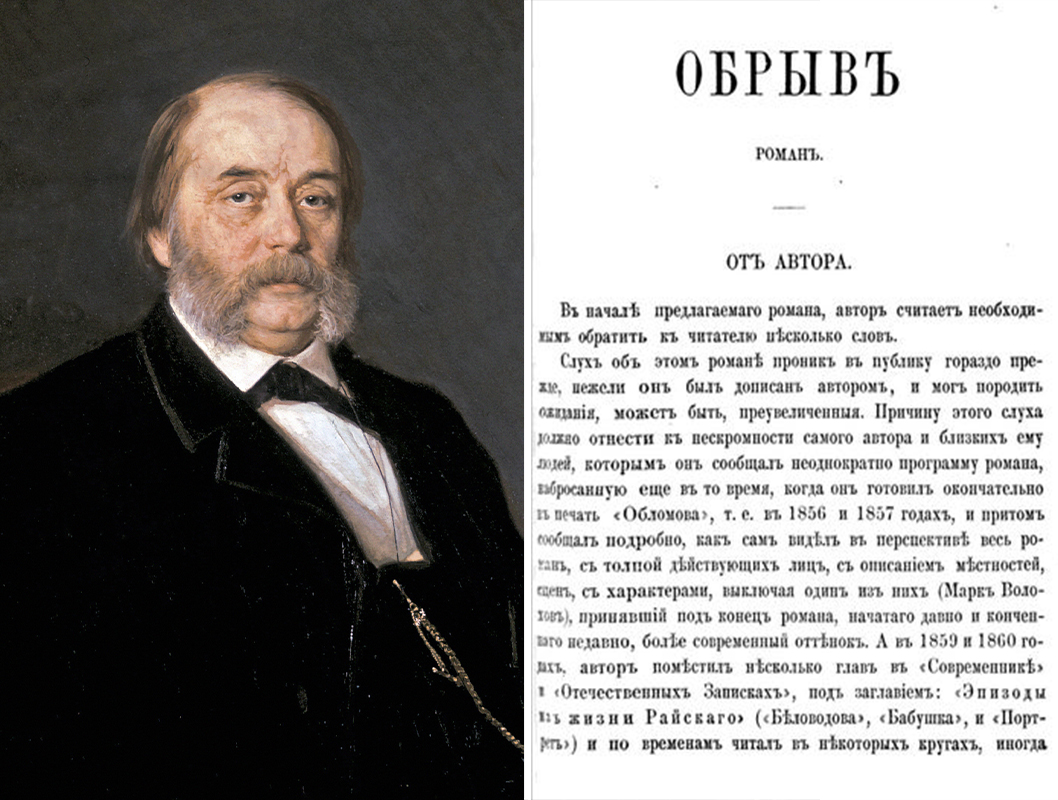
The idea for the novel was born during a visit to his hometown of Simbirsk in 1849, where Goncharov had returned after a 14-year absence. The first thing that struck him was the contrast between the patriarchal order and the new trends. Thus, the plan for a novel was born, the central theme of which was the clash of the old and the new. However, work on it dragged on. In 1852, Goncharov set off on a round-the-world voyage aboard the frigate ‘Pallada’, where he kept a travel journal. In 1859, he completed and published the novel ‘Oblomov’. Then, in the 1860s, Goncharov's creative career was overshadowed by a conflict with Ivan Turgenev. Goncharov accused Turgenev of using motifs and images from his future novel in his own works, ‘A Nest of the Gentry’ and ‘On the Eve’. As a result, ‘The Precipice’ was only published in 1869, but was harshly criticised by his contemporaries for its caricatured depiction of revolutionary-minded youth.
4. Nikolai Gogol. ‘Dead Souls’: 17 Years (1835–1852)
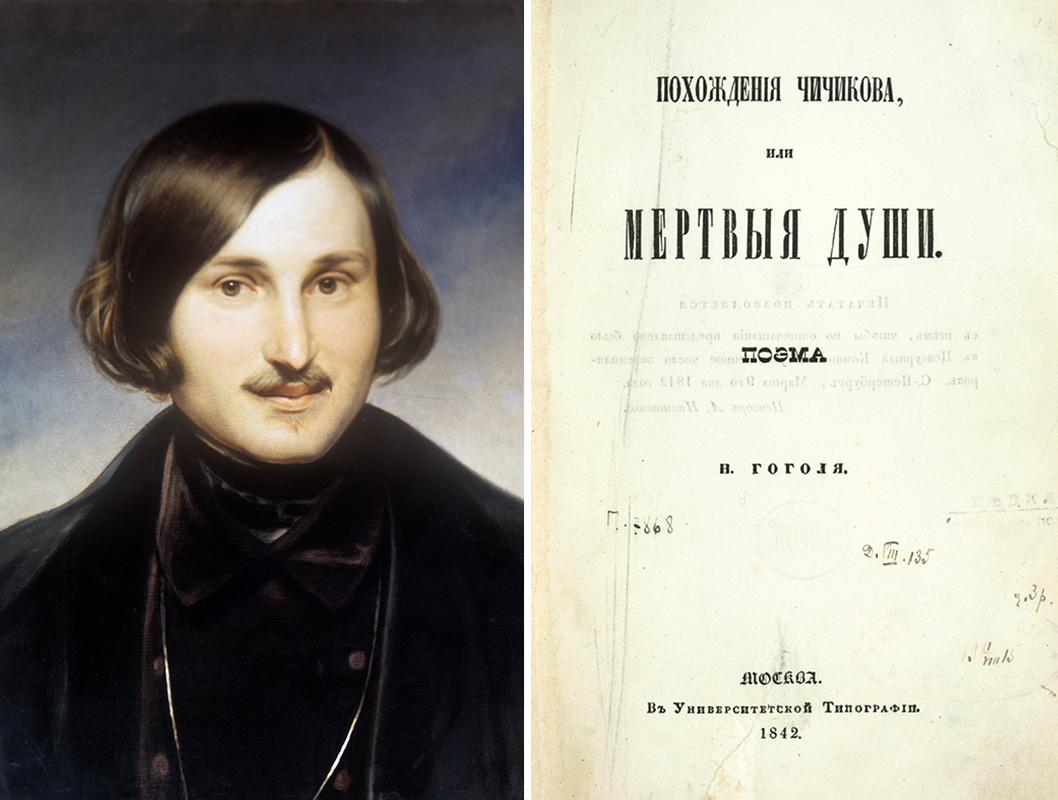
The story behind the writing of this novel (which the author himself called a prose poem) is one of the most dramatic in Russian literature. The plot of ‘Dead Souls’ was given to Gogol by Alexander Pushkin. The poet allegedly heard a story during his exile in Chisinau about a swindler who bought up dead peasants, who were still listed as alive on official documents. Gogol eagerly set to work. However, over time, Gogol's satirical vision changed. He ceased to see ‘Dead Souls’ as merely a simple adventure novel and decided to create something grandiose – a poem in three parts, modeled on Dante's ‘Divine Comedy’. This concept envisioned the protagonist Pavel Ivanovich Chichikov's journey from moral decline (Volume 1: ‘Hell’) through purification (Volume 2: ‘Purgatory’) to spiritual rebirth (Volume 3: ‘Paradise’). The first volume was completed in 1841 in Rome. Work on the second part proved difficult for the author: he was plagued by creative and spiritual doubts. This torment resulted in the first burning of the manuscript of the second volume in July 1845, from which only one notebook containing the final chapter survived. The tragic denouement came in February 1852: On the night of February 11–12, Gogol burned the final manuscript of the nearly completed second volume. Nine days later, the writer died, leaving the trilogy unfinished.
5. Mikhail Sholokhov. ‘Quiet Flows the Don’: 15 Years (1925–1940)
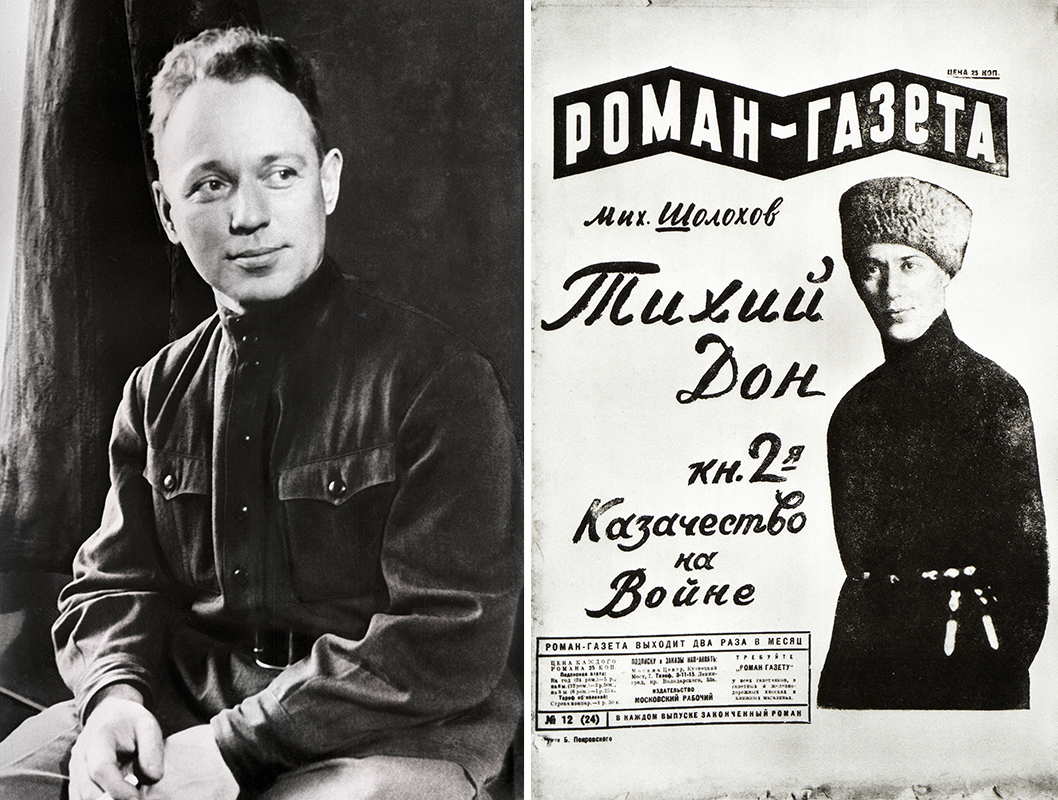
Initially, Sholokhov did not plan to write a grandiose novel. In 1925, he began work on the novella ‘Donshchina’, which focused on the Cossacks' participation in suppressing the revolution. But, this vision soon expanded into a much more comprehensive and extensive work – a novel. According to the author, he wrote the first three volumes in a short period of time – approximately two and a half years (from Fall 1926 to Fall 1928). However, the completion of this epic was delayed, due to external circumstances, including censorship. The fourth volume, meanwhile, was completed in 1940. For his work on the novel, Sholokhov received the ‘Stalin Prize’ (1941) and the ‘Nobel Prize’ (1965). However, there is a hypothesis that Sholokhov appropriated the manuscript from a deceased White Cossack writer named Fyodor Kryukov. This version, in particular, was actively supported by Alexander Solzhenitsyn.