

What did Russian classic writers think about the DACHA?
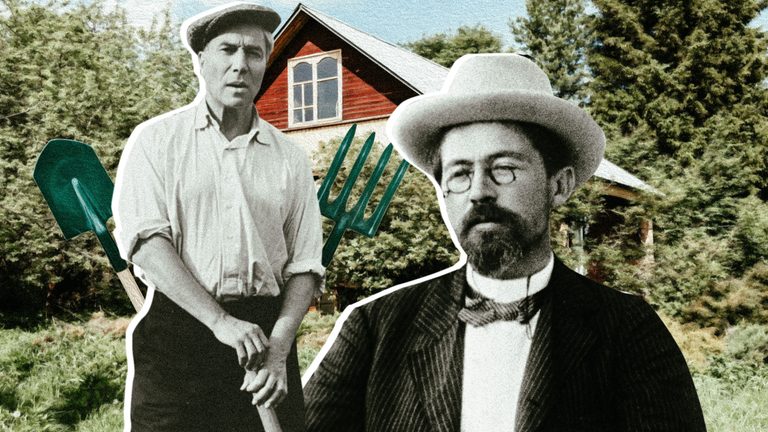
How to enjoy time in nature and never regret it – as seen in the diaries and letters of Russian writers.
Russians owe the emergence of dachas to Peter the Great, who gave land plots around St. Petersburg to his courtiers and confidants for the construction of country estates. In this way, he solved two problems: the courtiers remained “close at hand” and the area around the new capital was actively being developed. This is where the word ‘dacha’ originated, derived from the verb ‘darit’ (‘to give’).
By the end of the 19th century, a dacha was the name for any country residence – either private or rented. A tradition of leaving the city for the summer to get away from the noise and dust also emerged. "In the summer, most Muscovites retreated to the dachas, which were plentiful in the Moscow suburbs. There, life was lived in harmony with nature. Those who remained in Moscow were considered martyrs," wrote artist Konstantin Korovin in his memoirs.
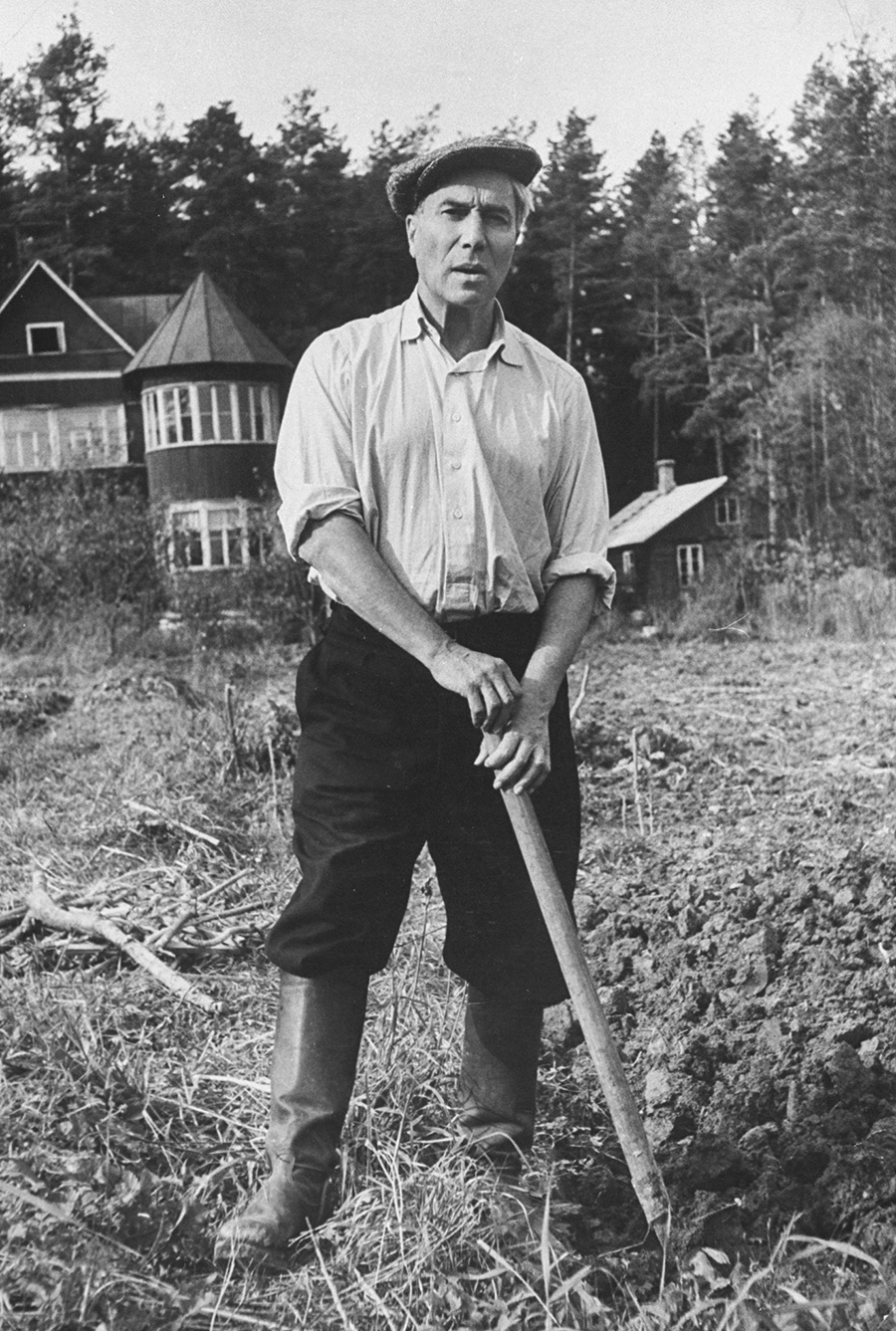
Boris Pasternak, author of ‘Doctor Zhivago’, preferred country life: "I dread summer in the city… Solitude is presented in the same form as the loneliness of madness or the torments of hell. Dust, sand, stuffiness, African heat."
Fyodor Dostoevsky began planning his summer vacation as early as winter. “And since the matter of a summer home is so important to us, we, on the advice of the Vladislavlevs, entrusted them with renting a cottage in Stara Russa. The Vladislavlevs praise the location, the water, the affordability and the comfort. True, the place is by a lake and a bit damp – that’s well known – but what can one do? The waters are good for scrofula and will be beneficial for Lyuba.”
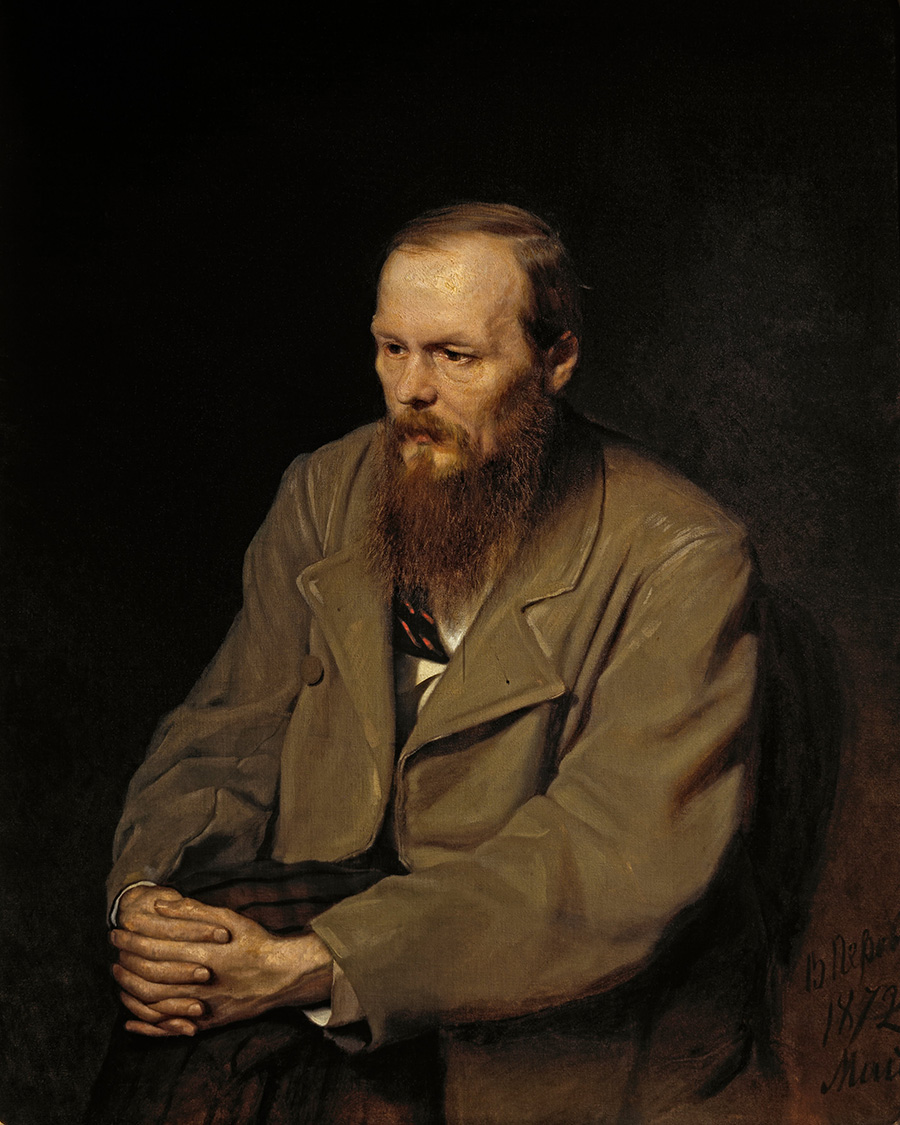
Ivan Bunin enjoyed his time at the dacha: "The country house where I'm spending the summer again is a century and a half old. And it's always a pleasure to remember and feel its antiquity and age <…> It's still morning, a light breeze occasionally blows through the room – all the windows are open. Through the window to my left, a joyful, bright sunlight slants onto the windowsill, revealing the dense greenery of the garden, glittering in the sun with its countless foliage, concealing shadow and a still-fresh coolness in its depths, now stilling, now quiescent, now rippling, and then reaching me with a silky, still-summery rustle…"
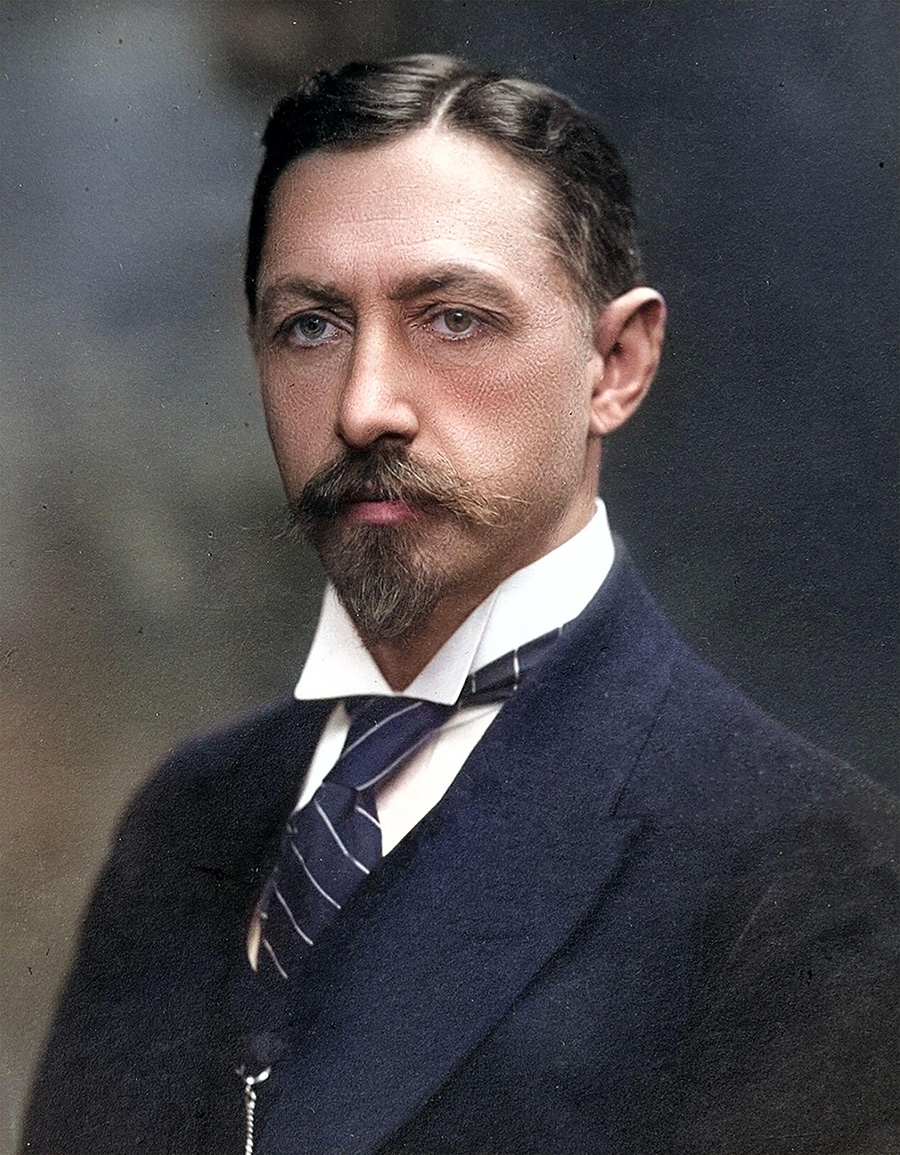
Anton Chekhov adored country life: “My mind is filled with thoughts of summer and the dacha. Lying in the hay and catching a perch on a fishing rod satisfy me far more tangibly than reviews and a cheering audience,” he confessed to the playwright Ivan Leontiev. His ideal plan for a vacation outside the city looked as follows: “Neither plowing nor sowing, but simply living for one’s own pleasure, living only to breathe the fresh air…” "
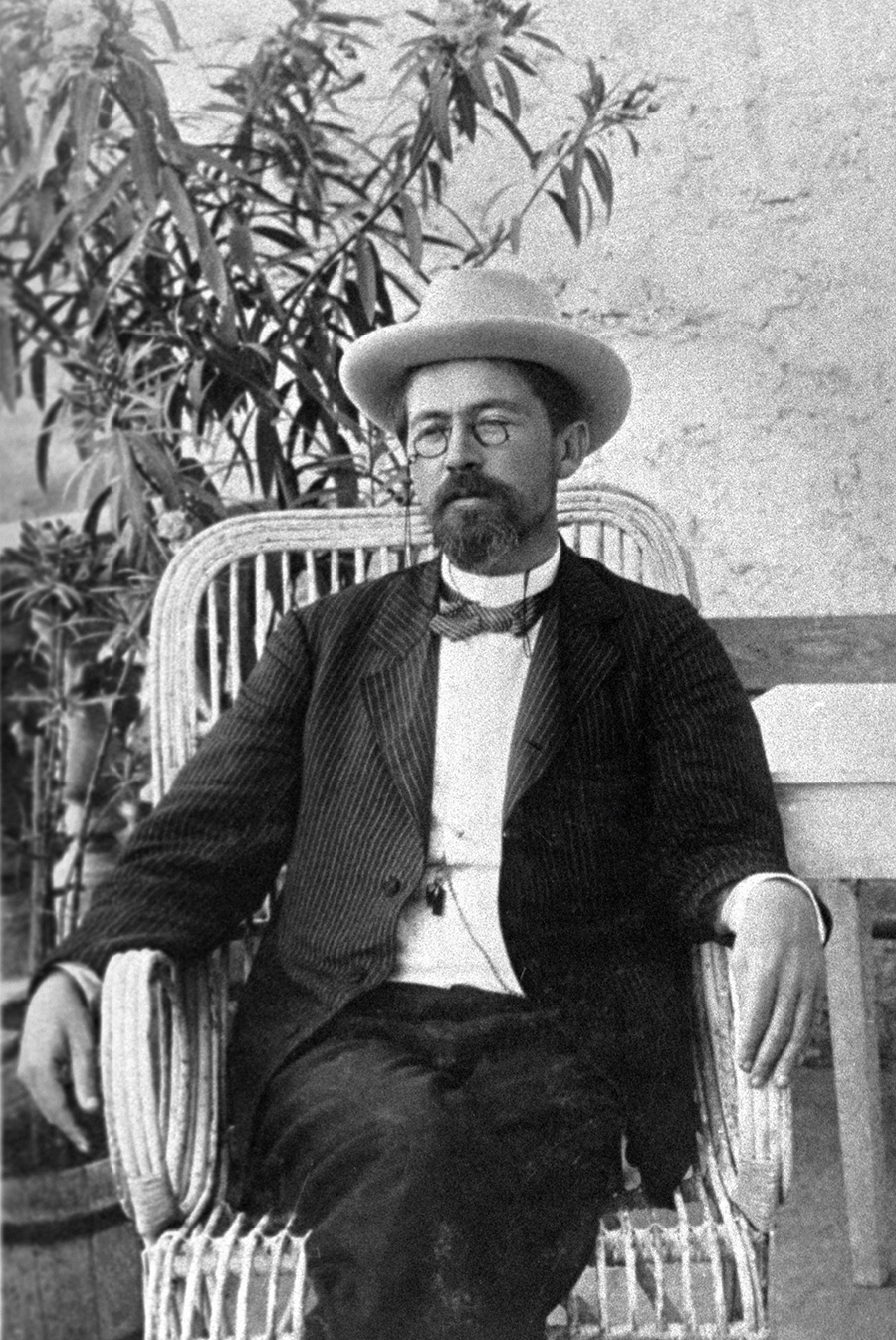
Everything changed when Chekhov acquired an estate in Melikhovo, near Moscow: the gardener within him suddenly awoke. While admitting that "I… no nothing about agriculture, except that the soil is black – nothing else", Chekhov, nonetheless, planted cherry trees, apple trees and countless lilacs. With the same enthusiasm, he landscaped the grounds of his home in Yalta, tending to the garden himself, including the roses. "I've had every tree planted here and, of course, it's precious to me. But, that's not the important thing. After all, before I came here, there was wasteland and absurd ravines, all covered in rocks and thistles. And now, I've come and transformed this wilderness into a cultivated, beautiful place. You know, in 300 or 400 years, the whole earth will be transformed into a blooming garden. And life will then be incredibly easy and comfortable!"
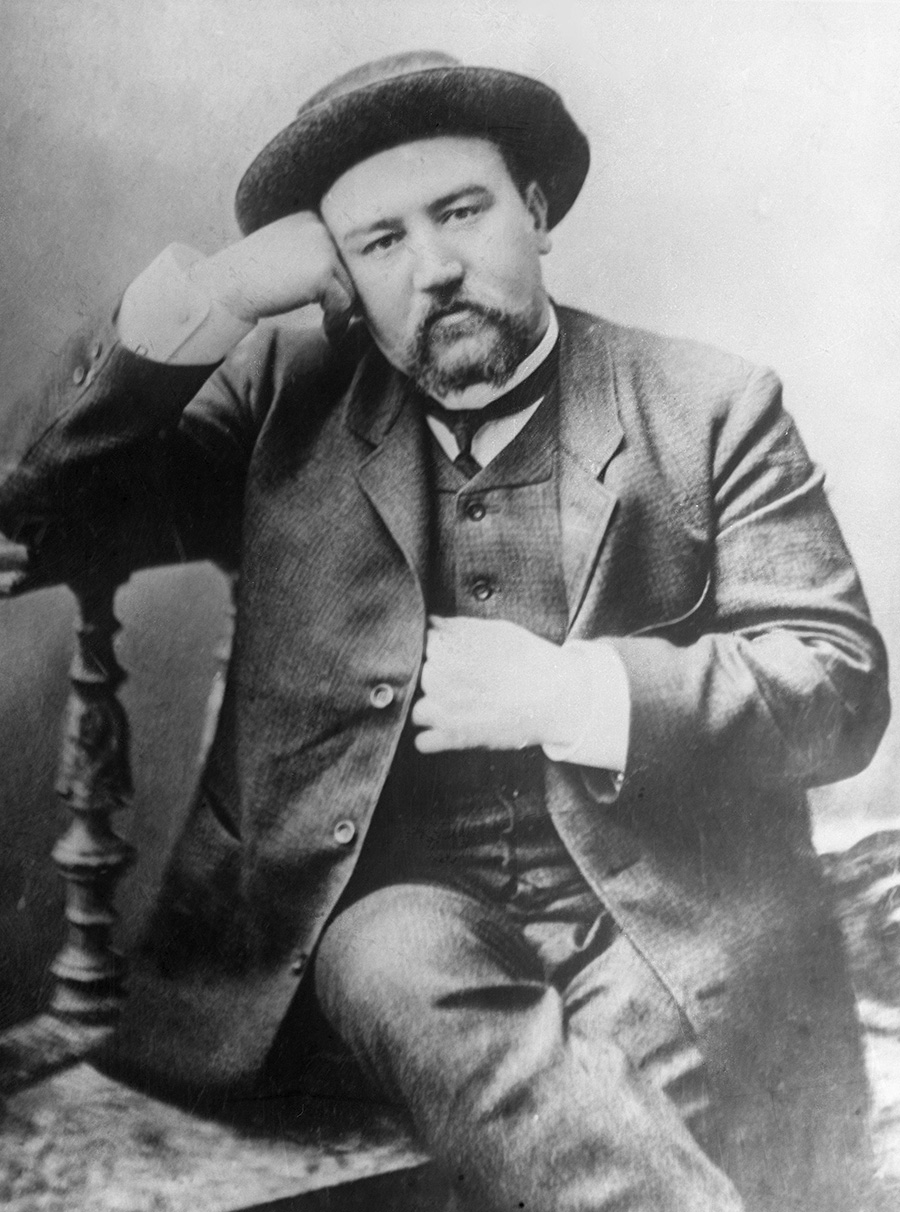
Many writers chose Gatchina, a suburb of St. Petersburg, as their home. Writer Alexander Kuprin once confessed: “I have managed to create for myself the complete illusion of the village I love, the only place that brings the peace of mind so desperately needed by our kind.” There, he had a garden and a poultry house, which he never tired of tending to.