
5 reasons to visit Moscow’s new Transport Museum (PHOTOS)
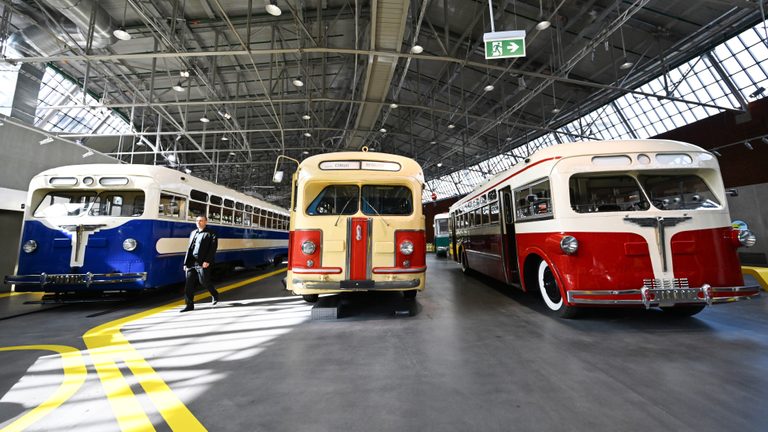
Under the museum’s roof lies 150 years of the capital’s transport history, from the first horse-drawn streetcar to today’s driverless buses and trams.
1 It opened in a garage designed by legendary architect Konstantin Melnikov
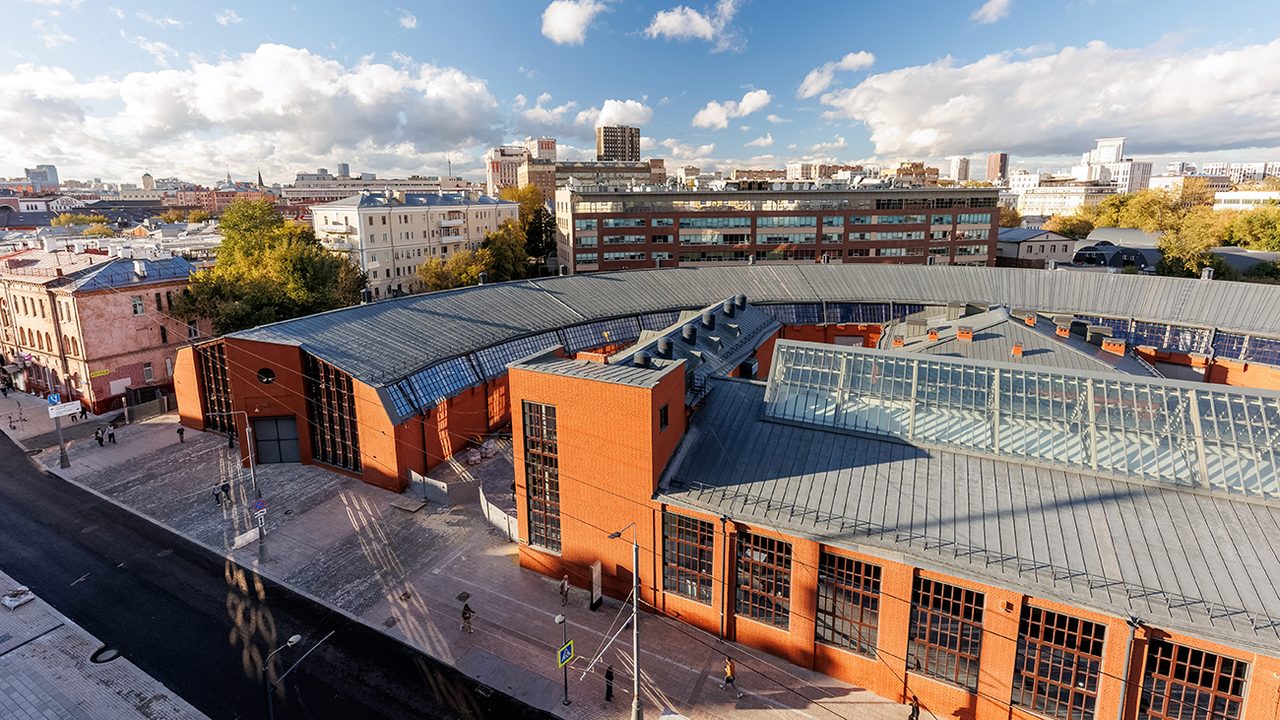
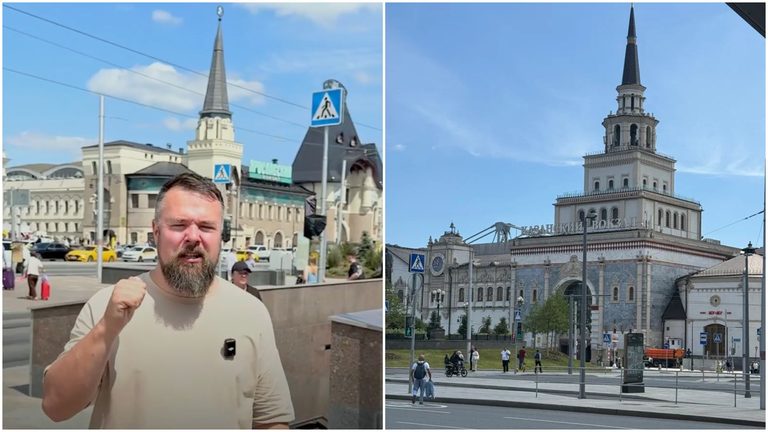
The famous Russian architect designed several garages in Moscow, two of which now house museums. The red-brick, horseshoe-shaped complex near Kazansky Railway Station was designed by Melnikov together with engineer Vladimir Shukhov; it was originally built for freight trucks. At various times, the site housed taxi depots, vehicle fleets, as well as an automobile repair plant.
Restorers reconstructed the sloping gables, Shukhov’s distinctive metal trusses and the stained-glass glazing. The garage has also expanded with an underground level.
2 Discover unique examples of Soviet transport
Alongside well-known mass-produced vehicles, the exhibition features some truly unusual models. One example is the ‘YATB-3’ double-decker trolleybus, which began operating in the city in 1938. Only 10 were ever built at the Yaroslavl Automobile Plant; the model was based on the British ‘AEC 664T’ trolleybus.
The Soviet version could carry up to 100 passengers and reach speeds of 54 km/h. Despite its impressive appearance, it was not particularly comfortable: it swayed when traveling over uneven or slippery roads, while the low ceilings did little to improve passenger comfort. Nevertheless, it remained on Moscow’s streets until 1953. Rumor has it that Joseph Stalin was particularly fond of the model.
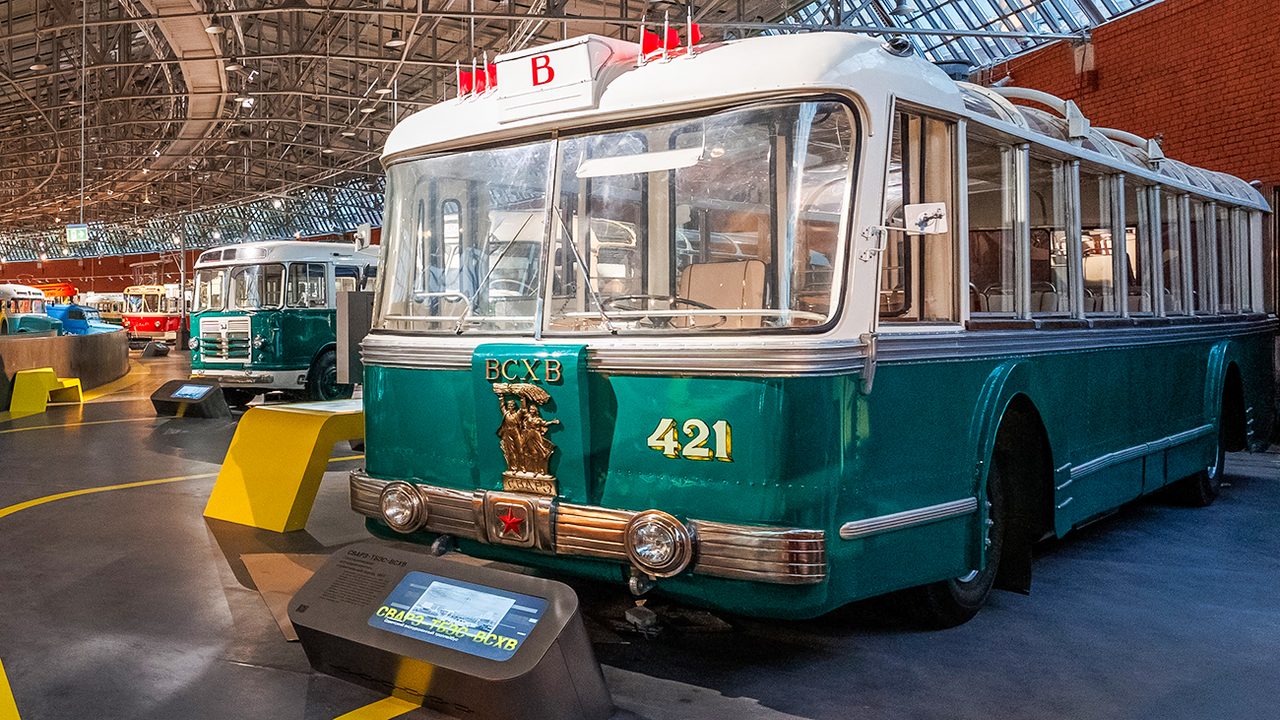
The museum also has a trolleybus with panoramic windows, developed for sightseeing tours around the famous VDNH exhibition park. Passengers were literally immersed in comfort: soft seats, a carpet runner, a mirror and transparent plastic “curtains” instead of side windows, which could be raised in warm weather.
3 You can “play with the vehicles”
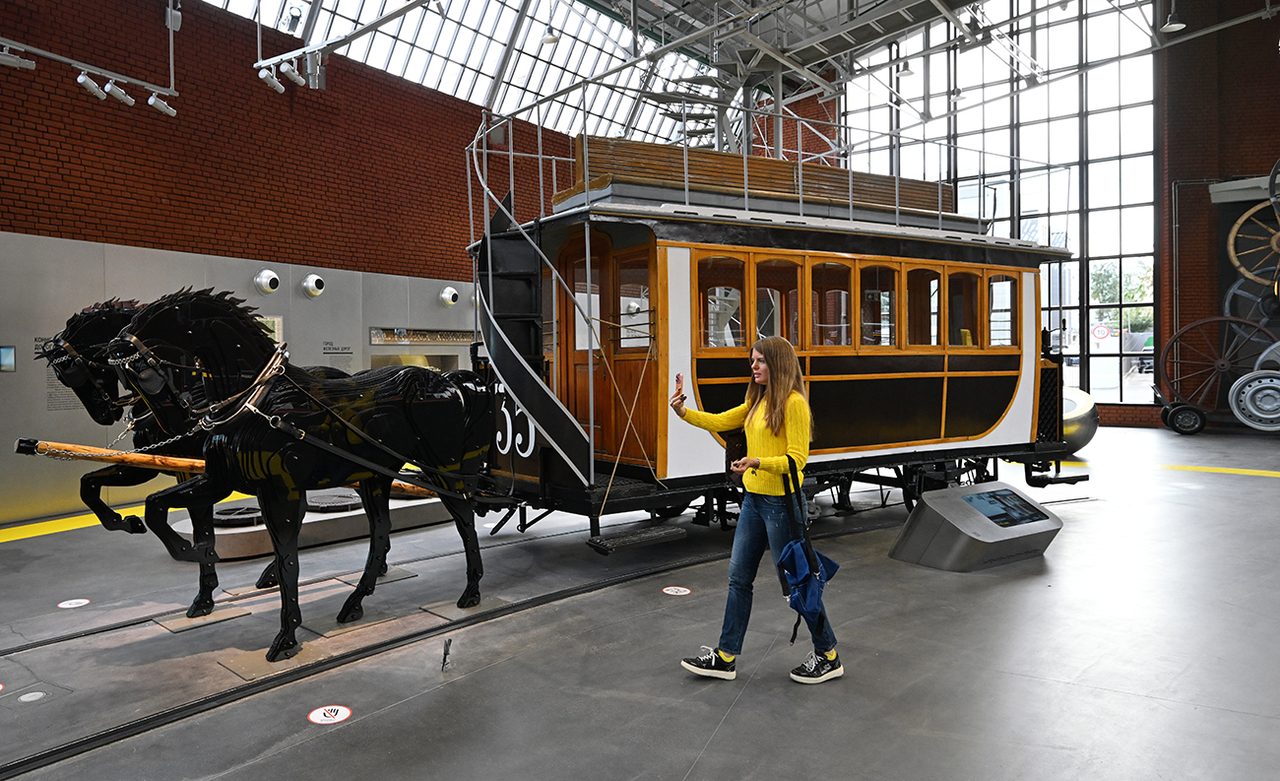
The museum has numerous interactive displays that let you take a real journey through time. For instance, you can calculate the cost of a ride in a horse-drawn carriage in the 19th century.
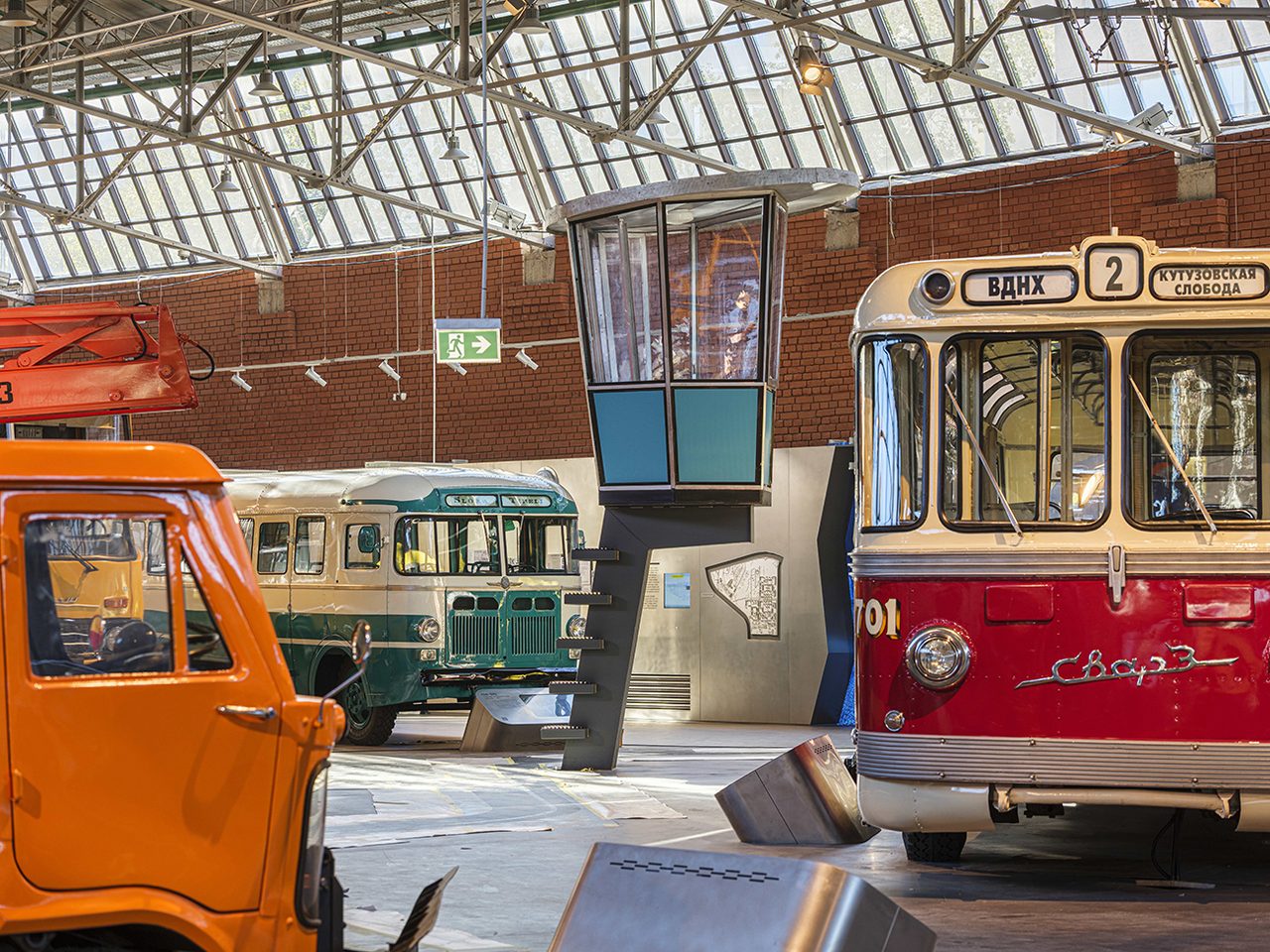
Or you can “ride” a horse-drawn tram: the little carriages can be moved by hand. And those fascinated by the Moscow Metro subway system can sit at a real subway dispatcher’s control booth.
4 See the Moscow Metro from the inside
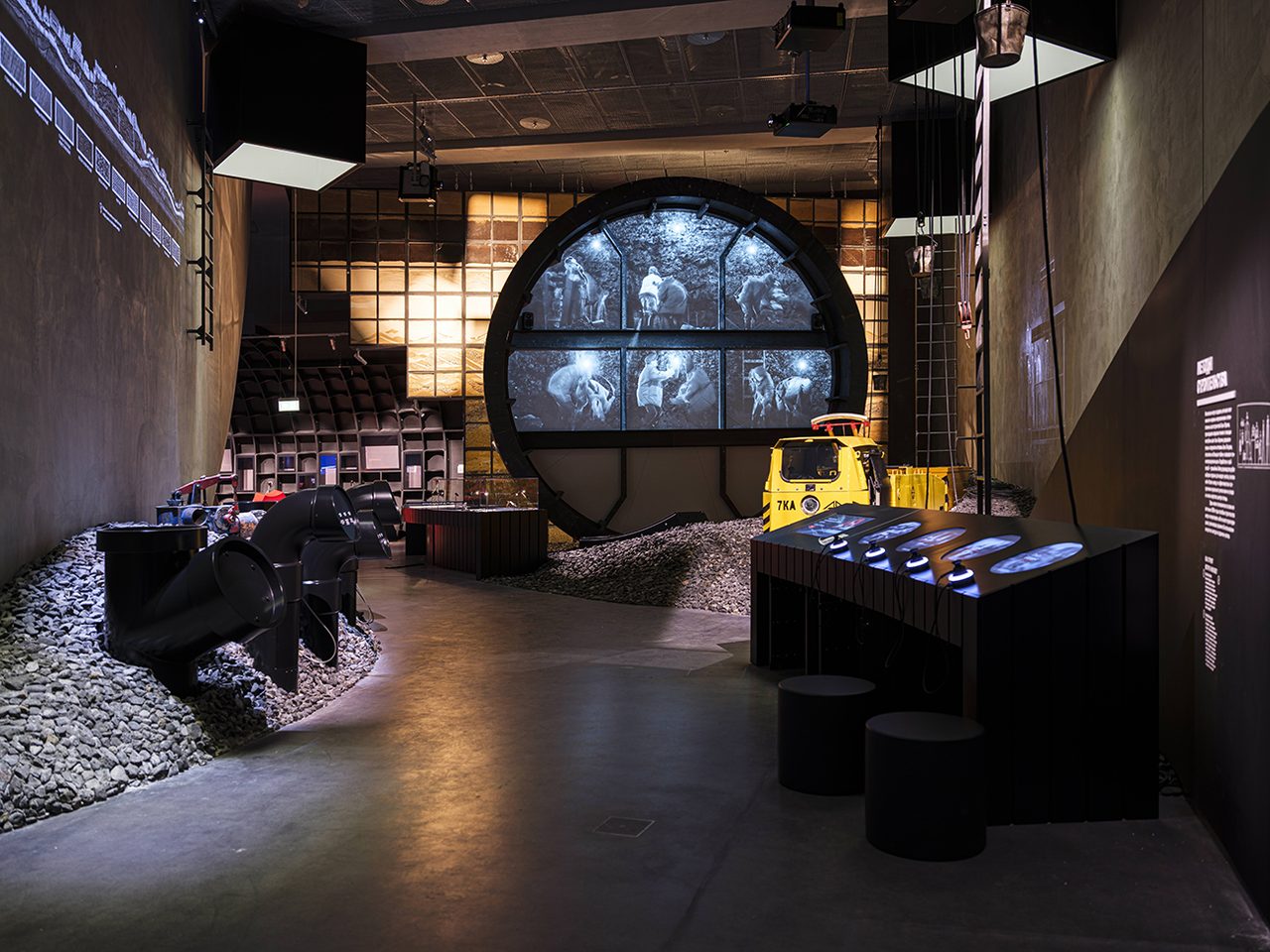
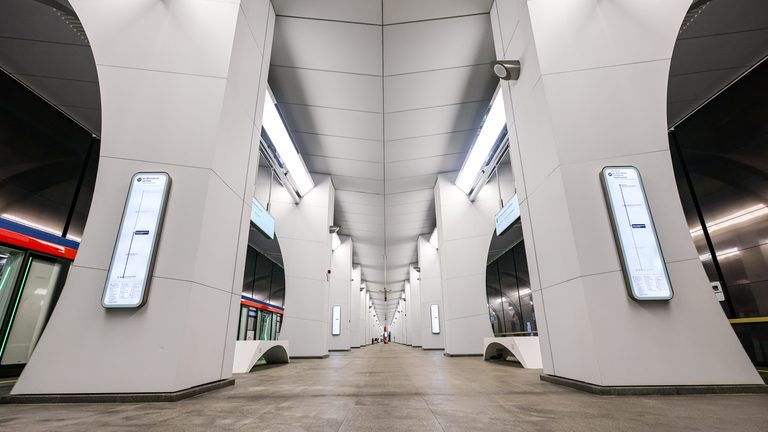
The exhibition on the museum’s underground level is devoted to the Moscow Metro subway system. There, you can see how new tunnels are constructed using tunnel-boring shields or take a look inside carriages from different eras.
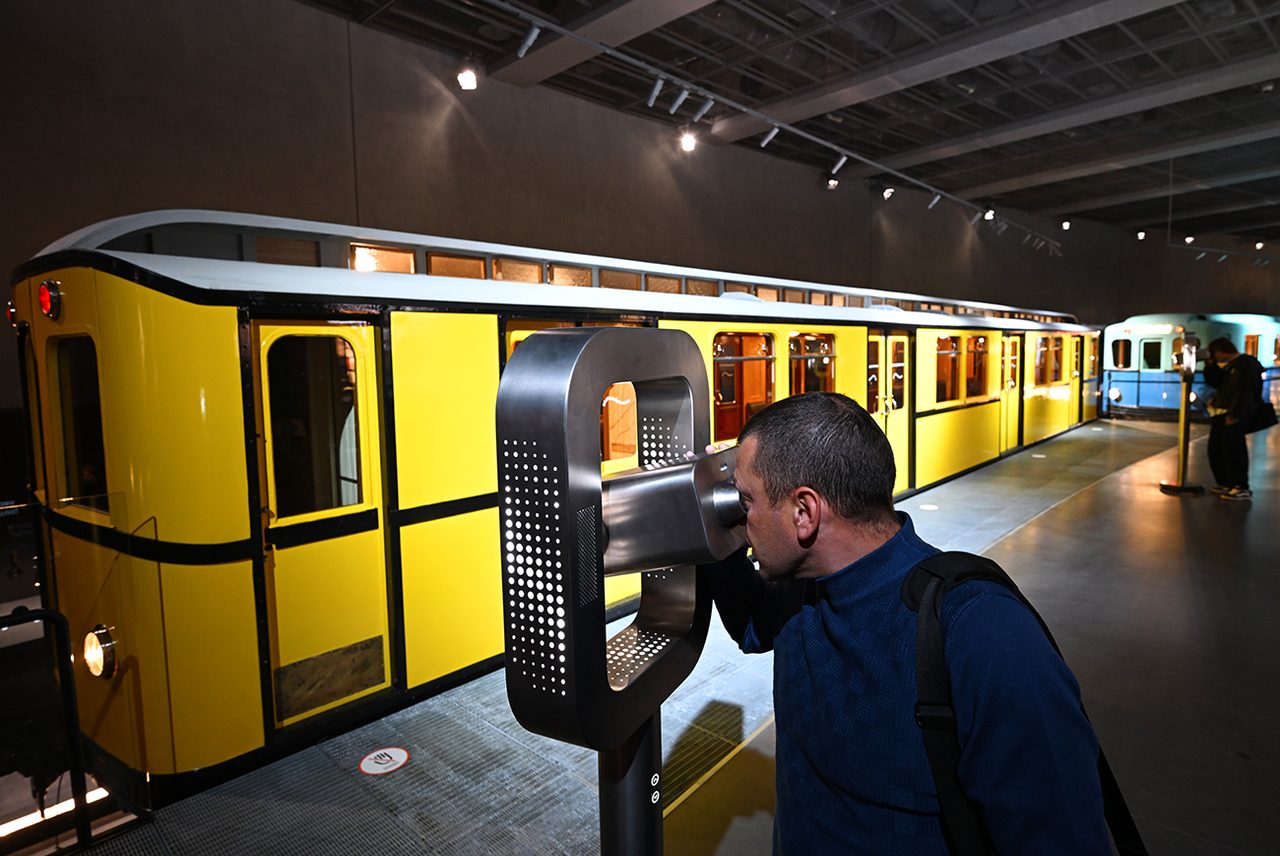
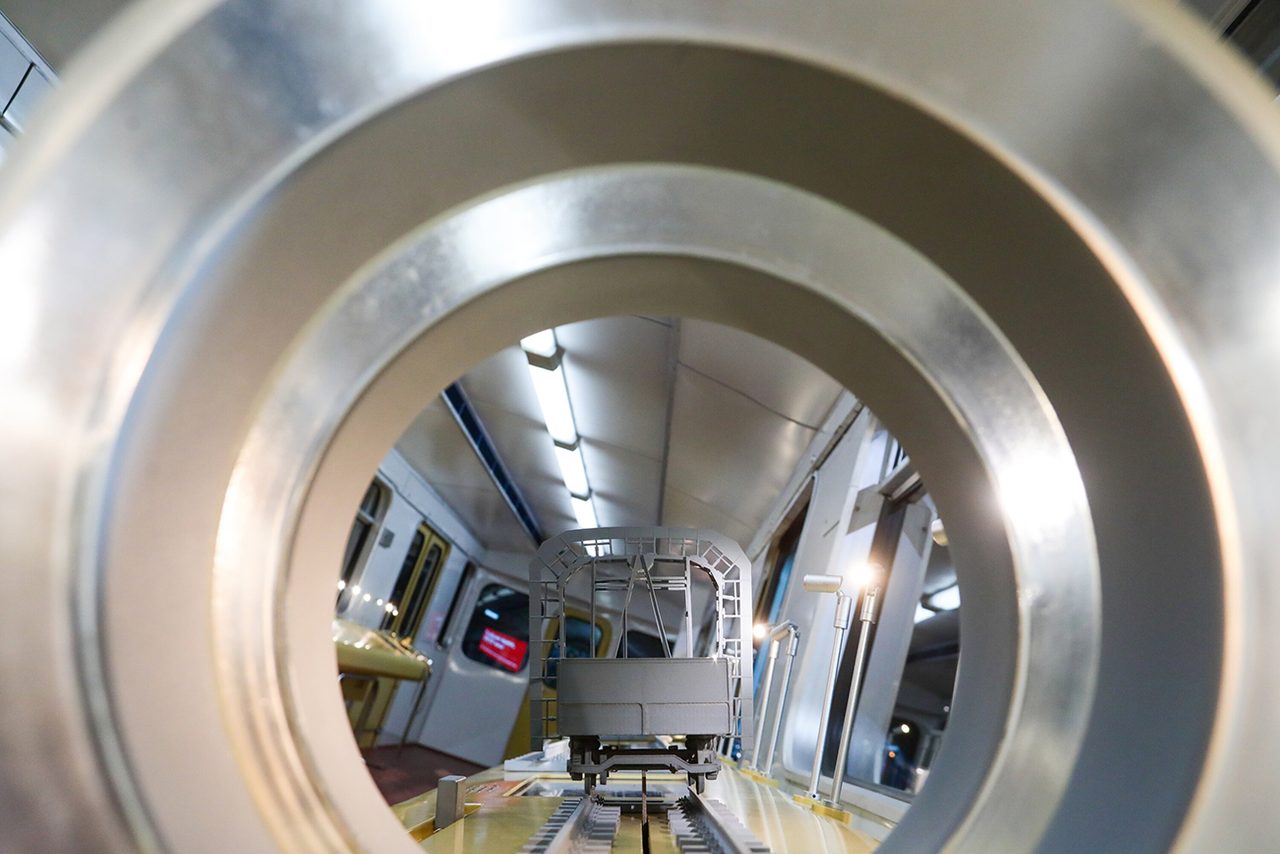
These include a unique ‘Type B’ “war trophy” carriage brought from Berlin in 1945, as well as the modern ‘Yauza’ train, developed in 2001. You can also get a thrill by walking through various models of turnstiles that evolved over the years.
5 Take a glimpse at the Moscow of the future
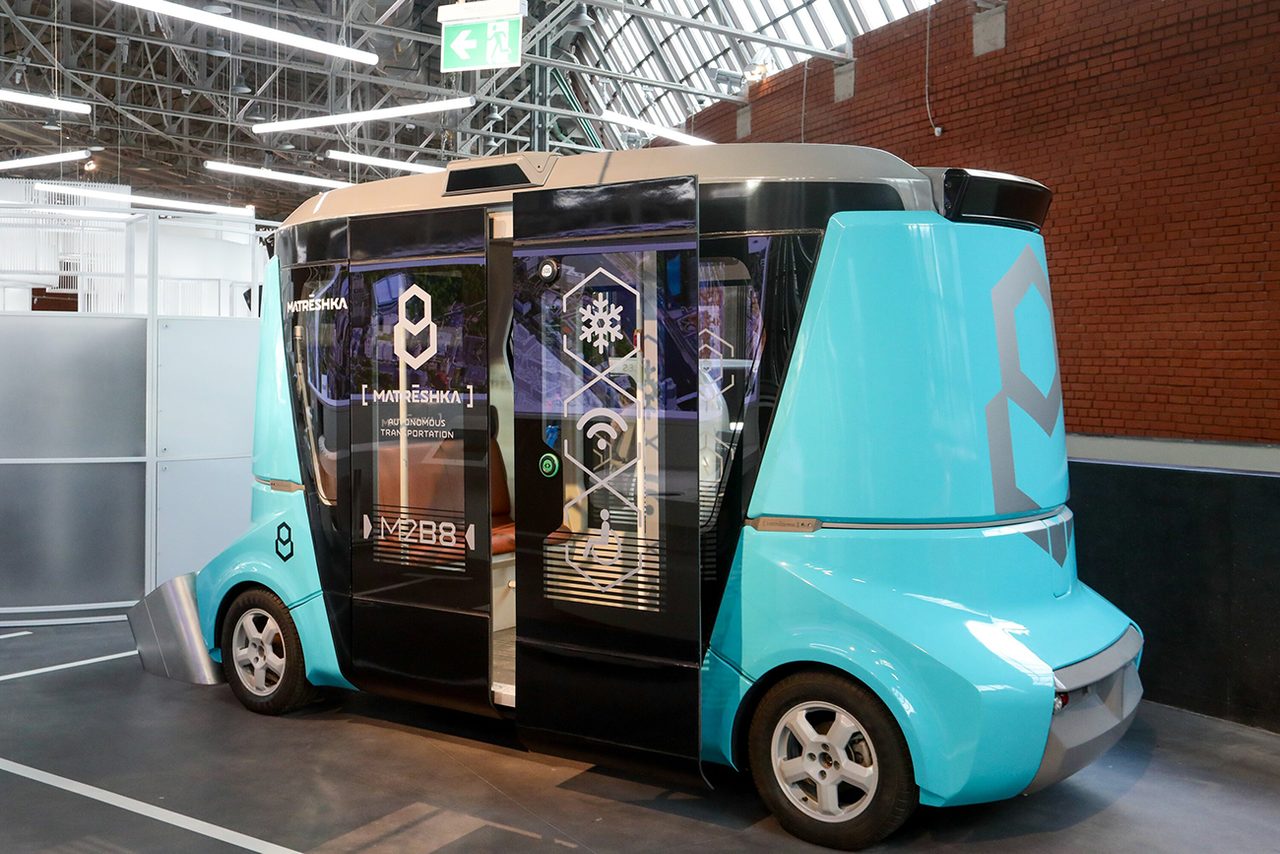
You can also get hands-on with prototypes and concepts for driverless transport right now.
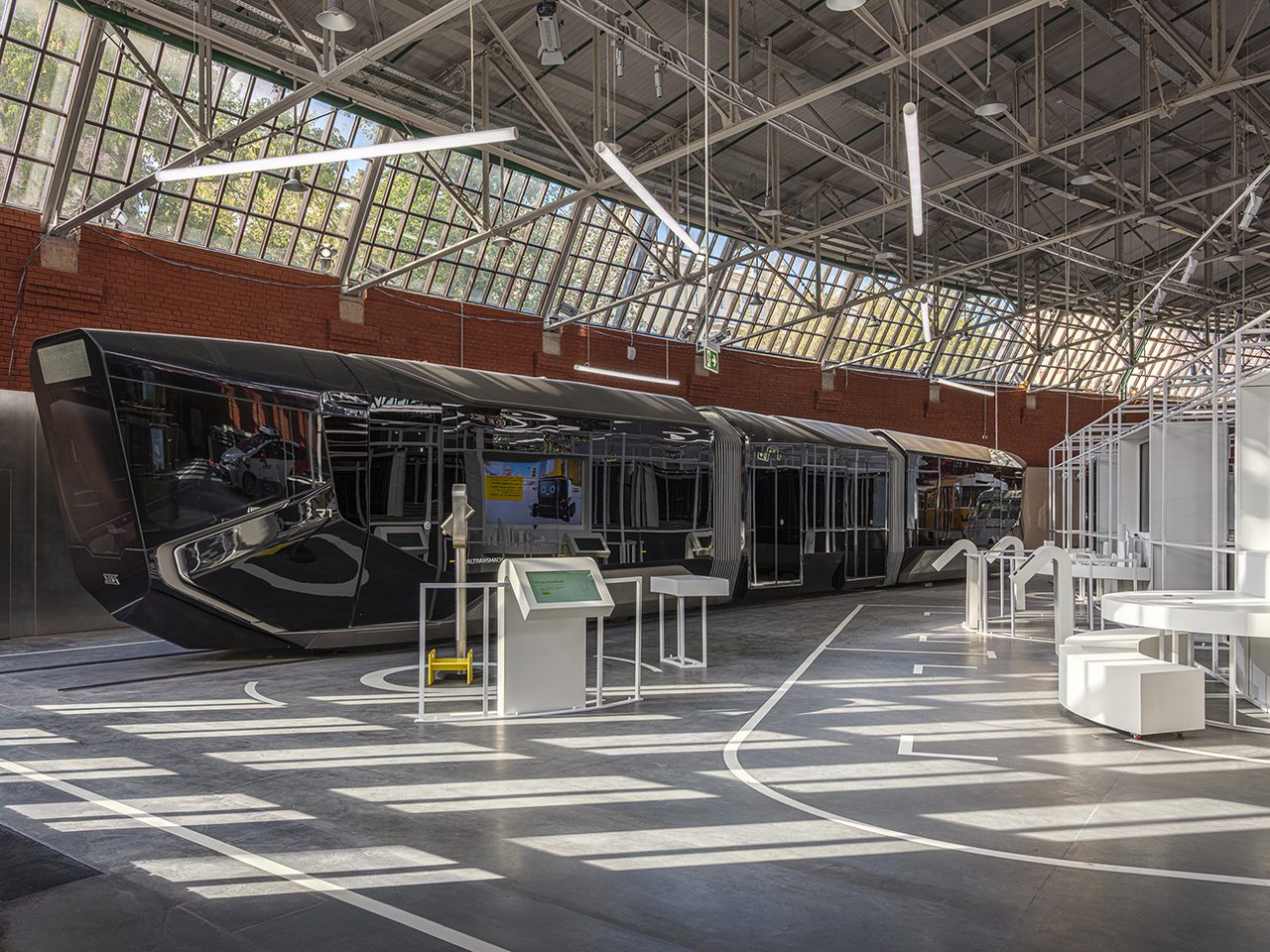
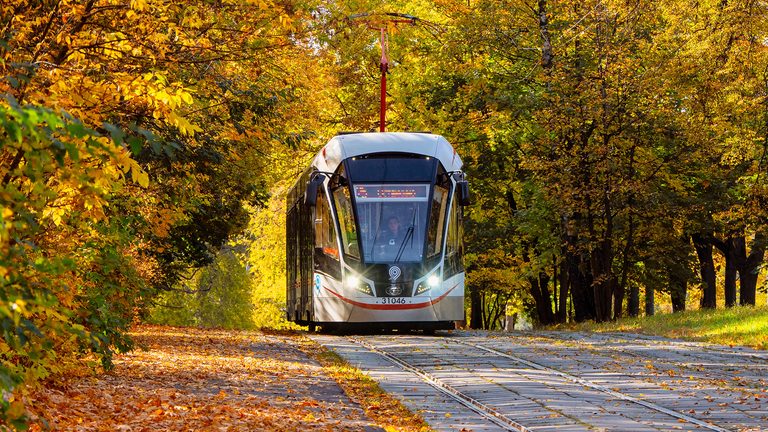
One example is the “iPhone on rails” – the three-section, low-floor ‘R1’ tram with its futuristic design – and the charming ‘MatrЁshka’ driverless electric bus.