5 facts about Valentina Serova, Russia’s first female composer
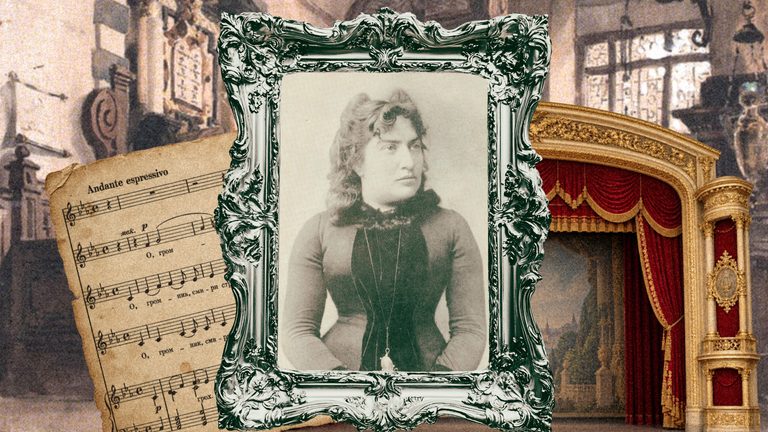
“A formidable, passionate and principled spirit!” is how famous painter Valentin Serov described his mother.
1 She possessed a phenomenal musical memory
Valentina Bergman (Serova’s maiden name) described her family as the least musical one imaginable: “My father didn’t know a single song and my mother knew only one – ‘Lieber Augustchen’ – which she would occasionally hum to the children.” Yet, at an early age, the girl demonstrated an ability to memorize a melody instantly and then hum it back from memory. In 1862, she received a scholarship from the Russian Musical Society and enrolled in the St. Petersburg Imperial Conservatory, where Anton Rubinstein became her teacher.
During her studies, she met composer Alexander Serov, who became both her soulmate and her husband. Following his example, she began composing music, becoming Russia’s first professional female composer.
2 The first woman to have an opera staged at the Bolshoi Theater
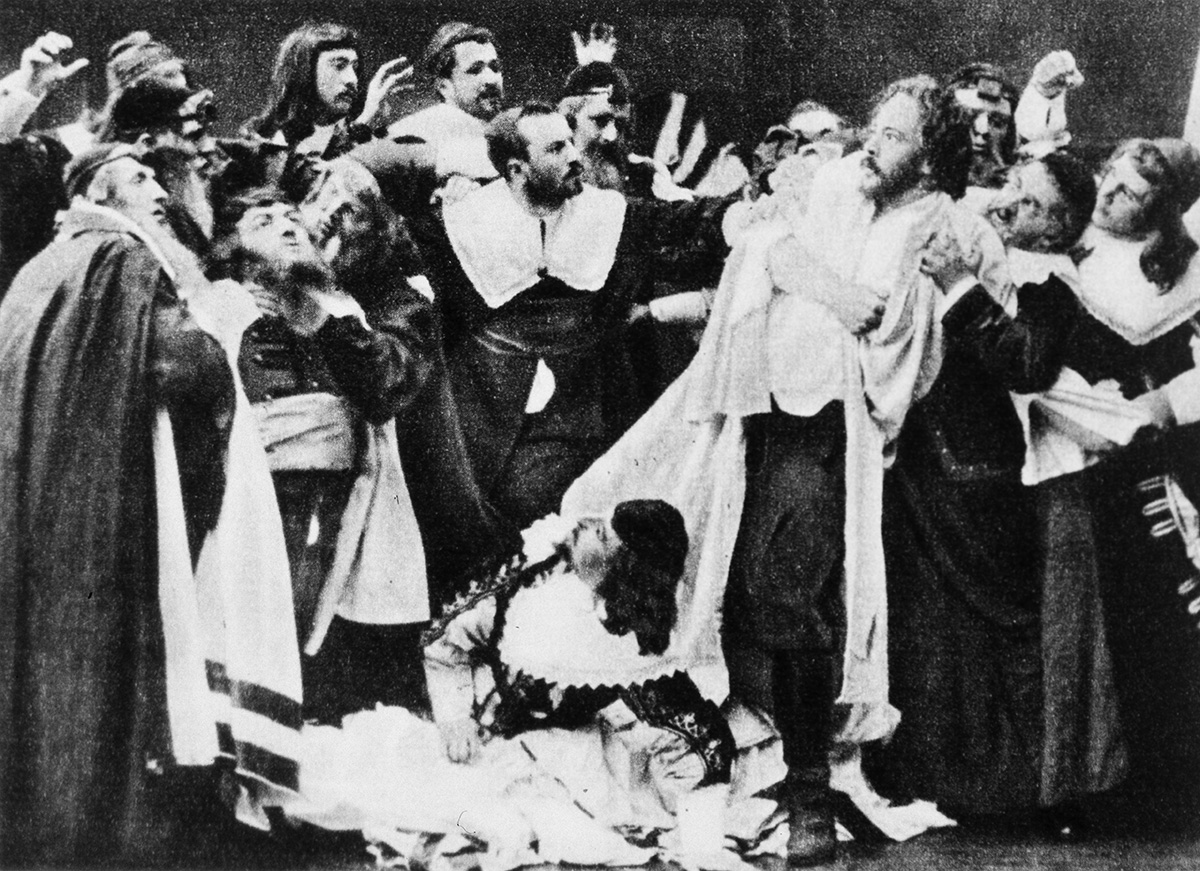
Her body of work includes symphonic poems and piano miniatures, as well as five operas. The most famous of these is ‘Uriel Acosta’, based on a tragedy by German writer Karl Gutzkow. Its main character is a 17th-century Jewish philosopher, who opposes religious dogma and orthodox traditions, leading the clergy to excommunicate him.
In April 1885, ‘Uriel Acosta’ was staged at the Bolshoi Theater. His fellow composers were not enthusiastic about the opera: Tchaikovsky, while acknowledging the merits of the libretto, noted its clumsy harmonies and lack of coherence. However, the public loved the production; the audience demanded to see the composer and gave Serova a standing ovation when she appeared on stage.
3 She completed the opera ‘The Power of the Fiend’ on her husband’s behalf
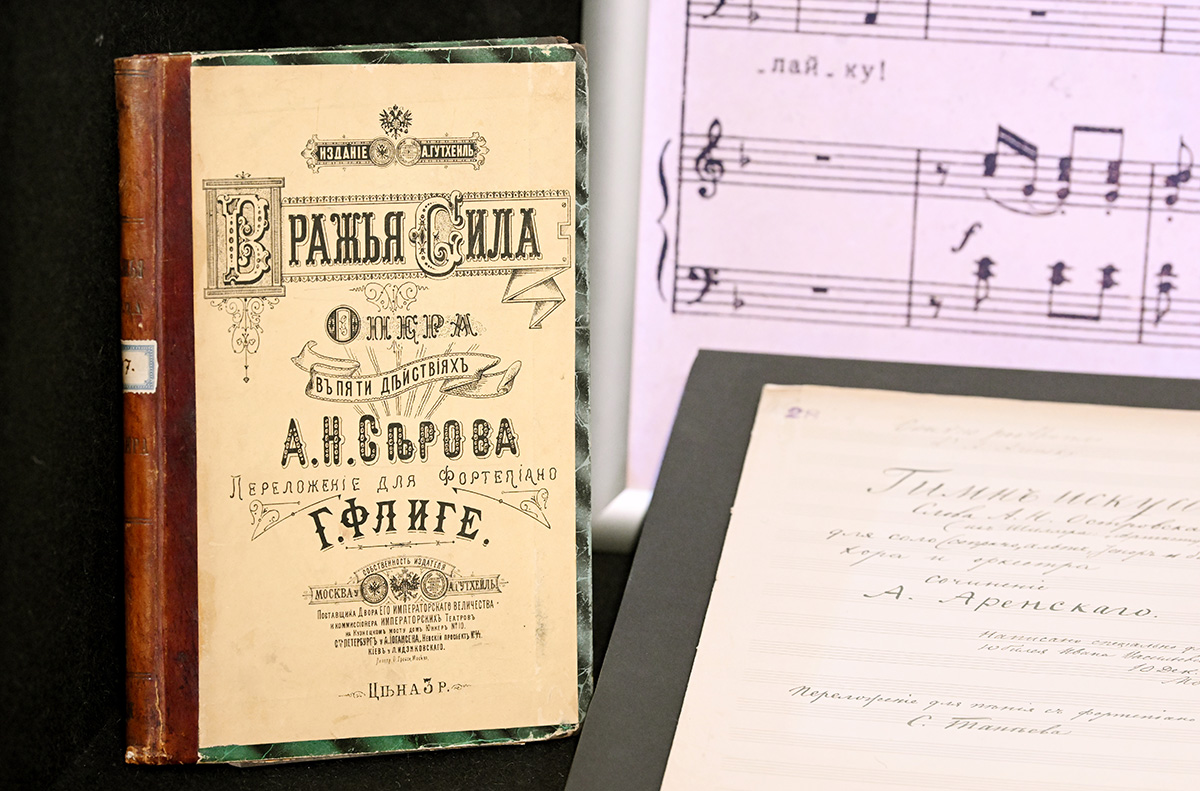
Her marriage to Alexander Serov lasted only eight years. Together, the couple published the magazine ‘Music and Theater’ and maintained friendships with Mark Antokolsky, Feodor Chaliapin and Ilya Repin. In 1871, her husband passed away, leaving behind an unfinished opera based on Alexander Ostrovsky’s play ‘Don’t Live as You Please’. Valentina Serova completed the work and it premiered at the Mariinsky Theater in Spring 1871. ‘The Power of the Fiend’ was staged several times in St. Petersburg and, later, in Moscow. Feodor Chaliapin shone in the opera; critics considered his portrayal of the treacherous blacksmith Yeremka to be one of his finest performances.
4 She organized a peasant opera troupe
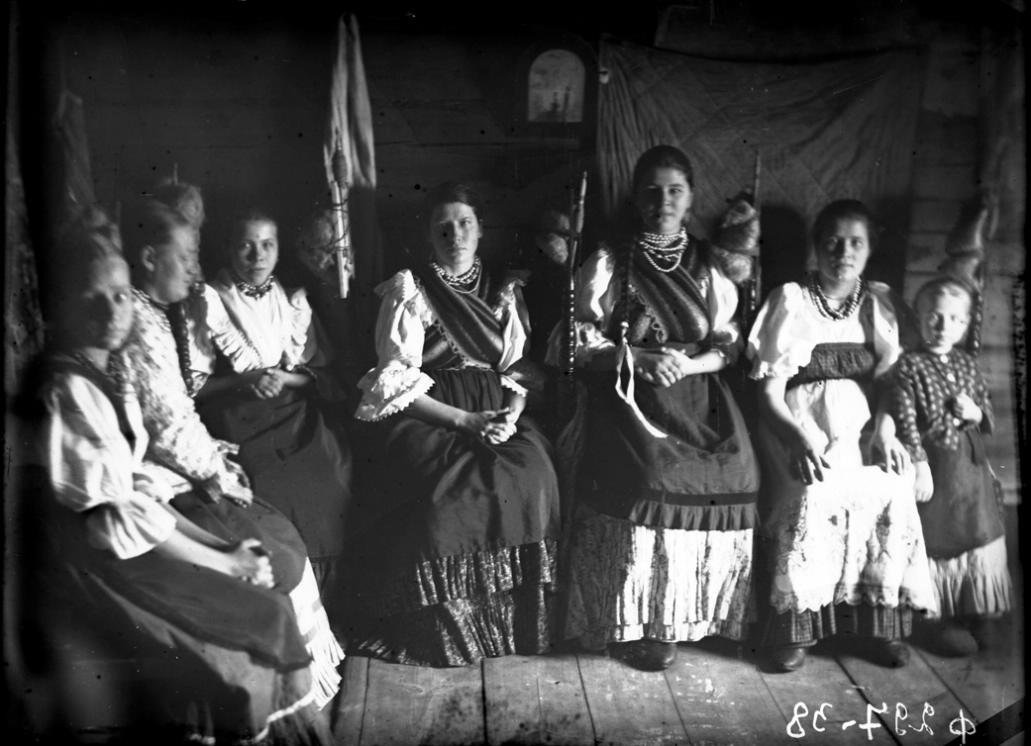
Serova once heard that peasants in the Tver Governorate had staged ‘The Power of the Fiend’; the idea surprised her, but also gave her food for thought. In the late 1880s, she organized a peasant choir in the village of Syabrintsy (Novgorod Governorate) that performed folk songs as well as excerpts from operas by Tchaikovsky and Glinka. Later, she formed a peasant troupe in a village in the Simbirsk Governorate. The company consisted of about 40 people and Serova took them on tour to neighboring towns.
5 She refused to pose for her son’s portrait
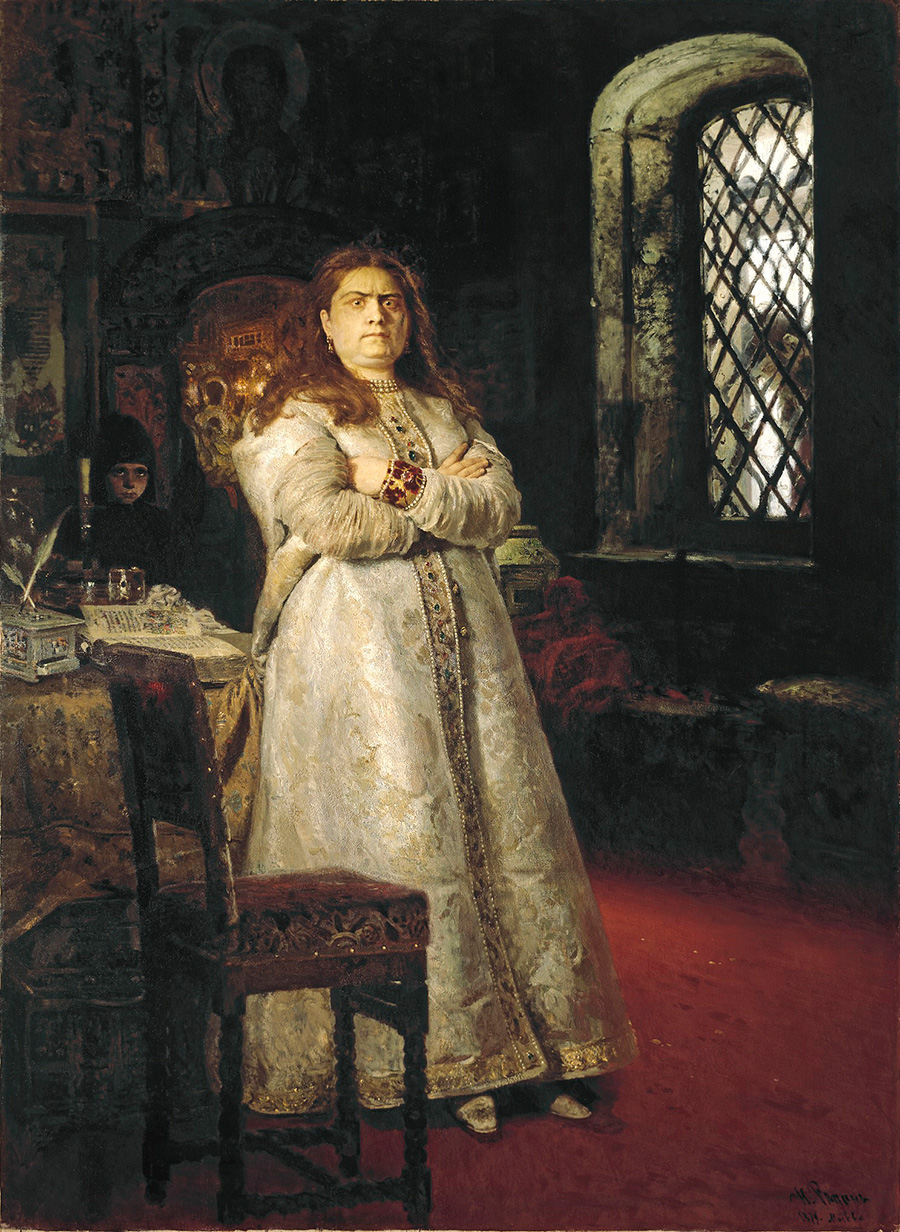
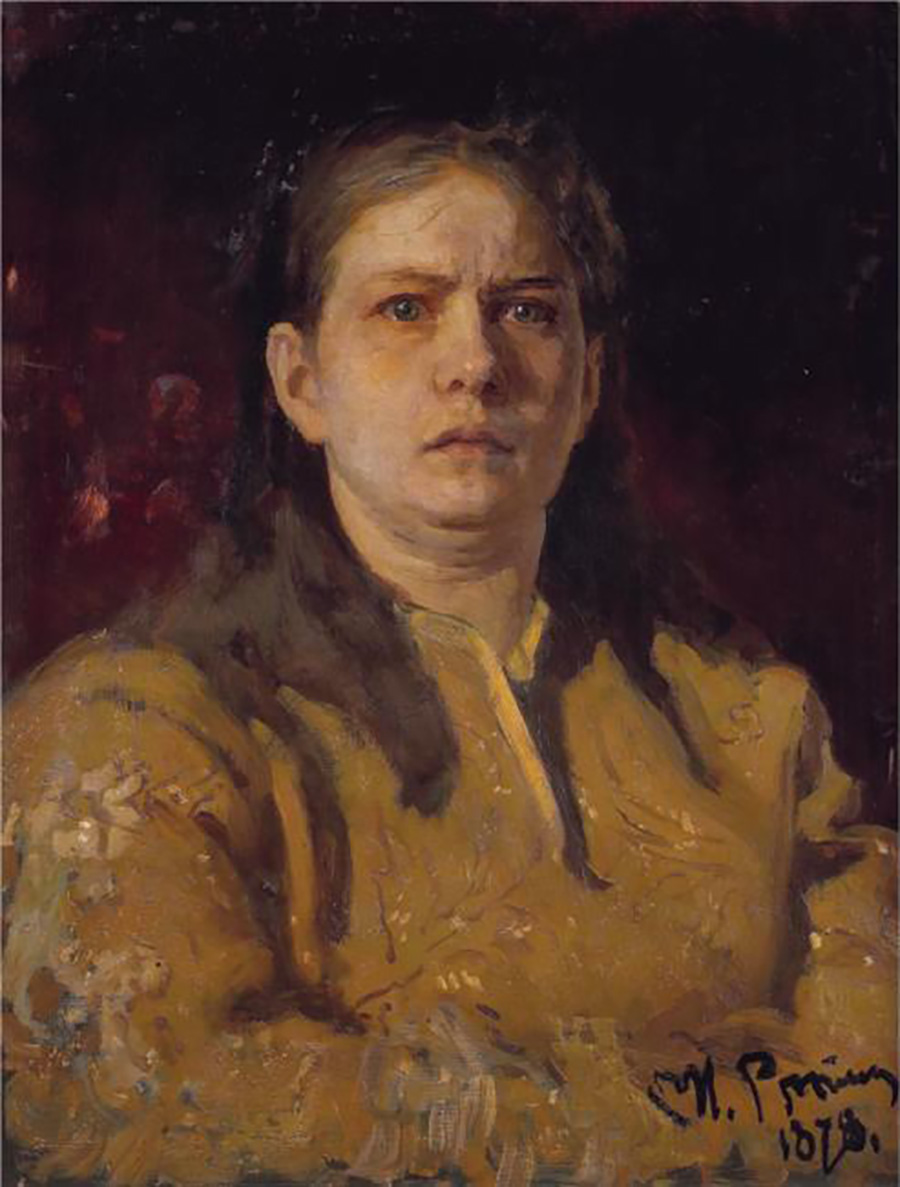
Her striking appearance attracted artists. In 1885, Mikhail Vrubel, a classmate of her son’s at the Academy of Arts, painted her portrait. And Ilya Repin also used her as the model for Tsarevna Sophia Alekseyevna.
Valentin Serov, however, never managed to paint a portrait of his mother. One day, he arrived with his easel and paints and began preparing to work, gazing intently at her face. Serova felt deeply uneasy, as if her son could see right through to her soul and suffering and she begged him to abandon the idea. The artist immediately tore the portrait to shreds and never again attempted to paint his mother.