

How an English adventurer duchess ended up at the court of Catherine the Great
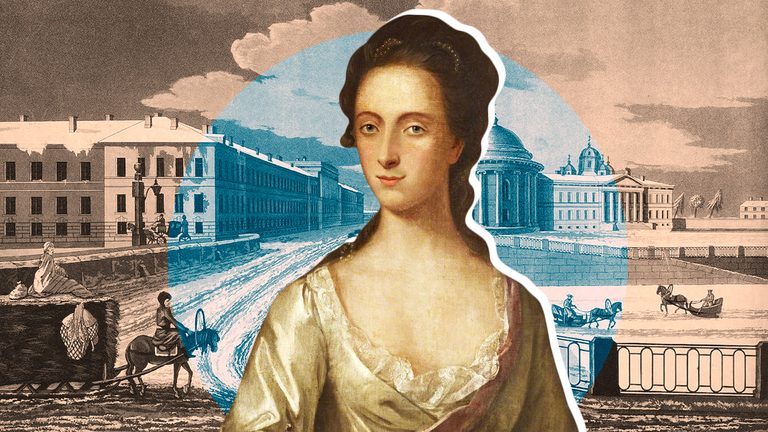
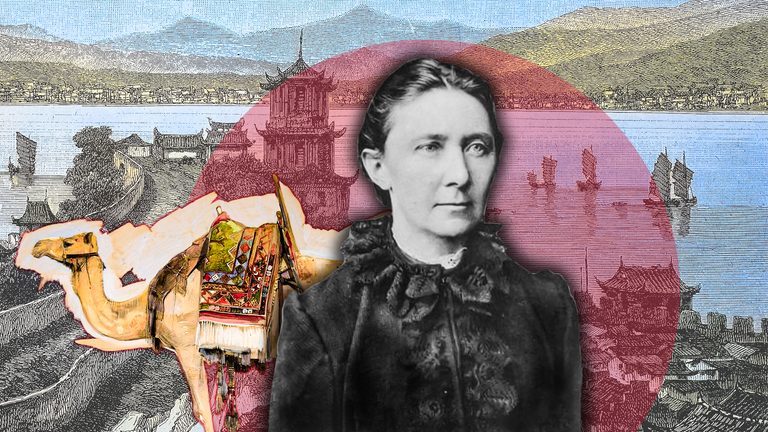
Historians, describing the life of Duchess Elizabeth Pierrepoint Kingston, call it "rich in adventure". This euphemism conceals a real adventure, complete with bigamy, an escape to Russia and a ship full of treasure.
A Duchess Without a Title
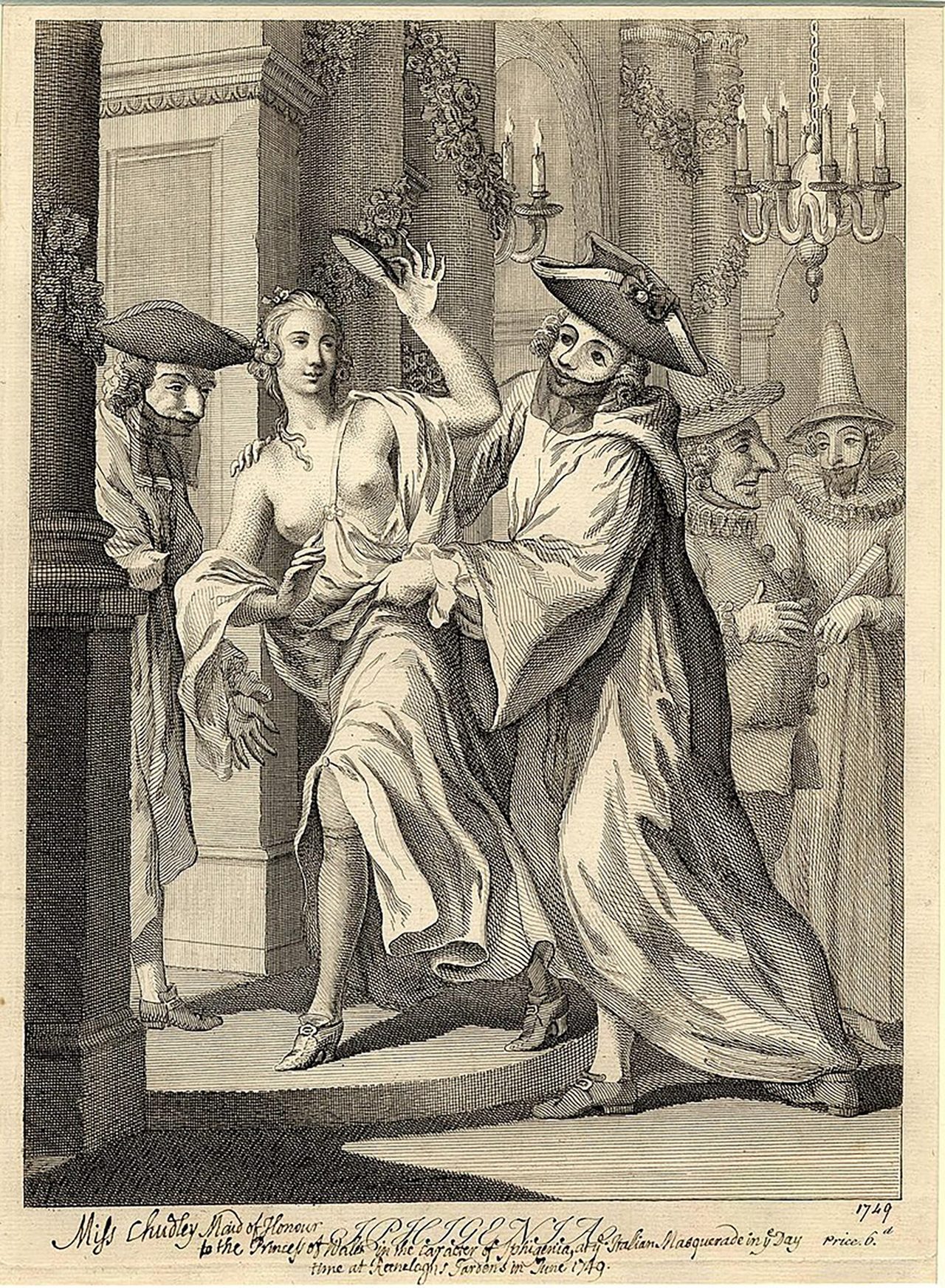
Elizabeth Chudleigh, the future Duchess of Kingston, was born in Devon in 1720. At the age of 18, she became a lady-in-waiting to Augusta of Saxe-Gotha, Princess of Wales. At 24, she secretly married Augustus John Hervey, the youngest son of the Earl of Bristol. They decided to keep the marriage a secret: The happy wife did not want to lose her place at court, where she had previously shone, while her husband was busy with naval service.
However, the marriage didn't work out. Elizabeth wasn't known for her exemplary behavior. In 1749, she appeared at a ball in a revealing Iphigenia gown: the flesh-colored silk left no room for imagination. The other ladies were outraged, while the men couldn't hide their admiration. Among them was Evelyn Pierrepoint, Duke of Kingston, whom she… married in 1769.
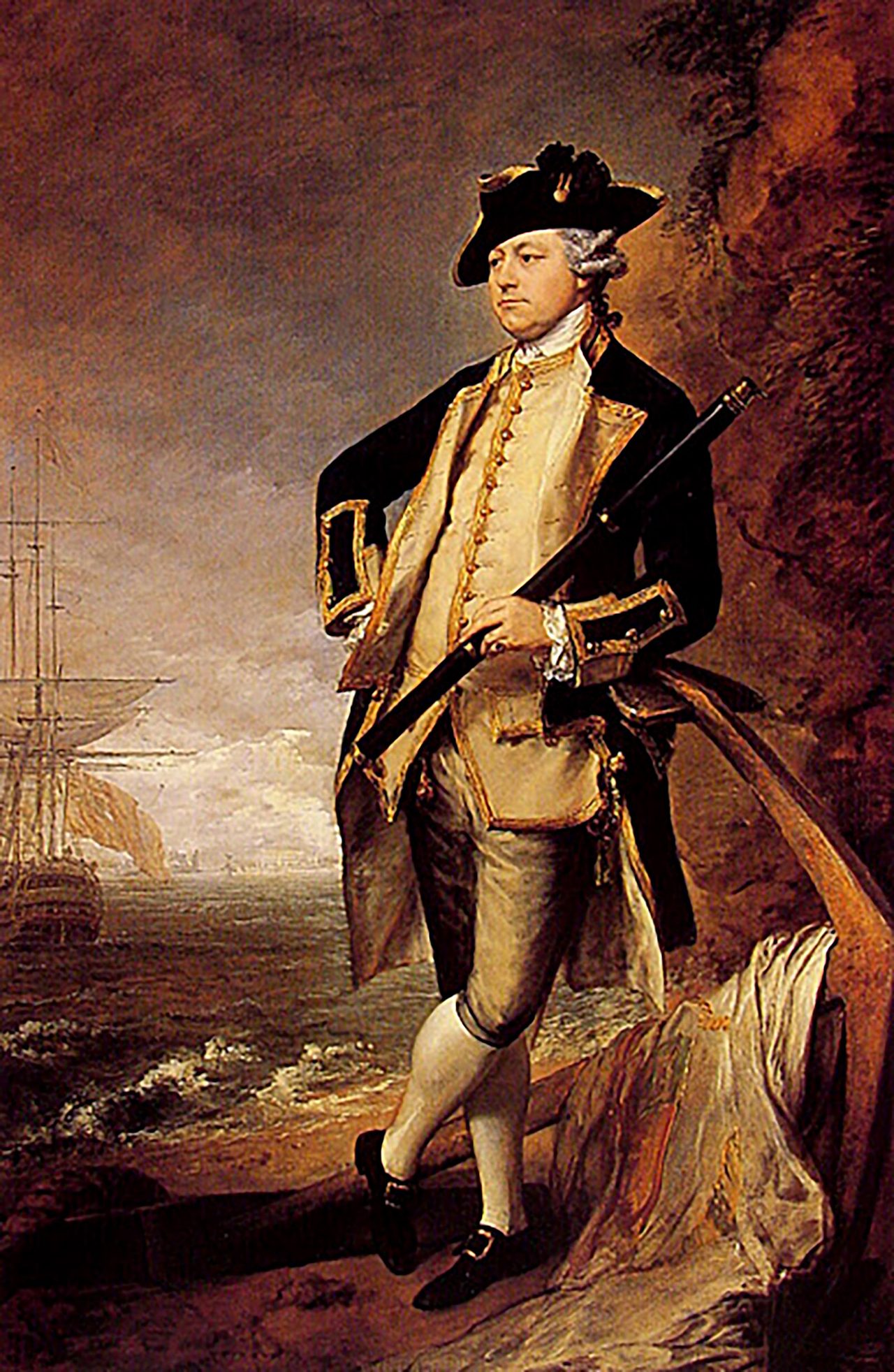
A few years later, she was widowed, becoming heiress to a large fortune. But, the Duke's relatives filed a lawsuit, accusing her of bigamy. It seemed the flighty beauty had thought of everything: She destroyed the record of her first marriage and arranged with Hervey to have the Church Court declare their union nonexistent. But, they managed to find the only witness to that wedding…
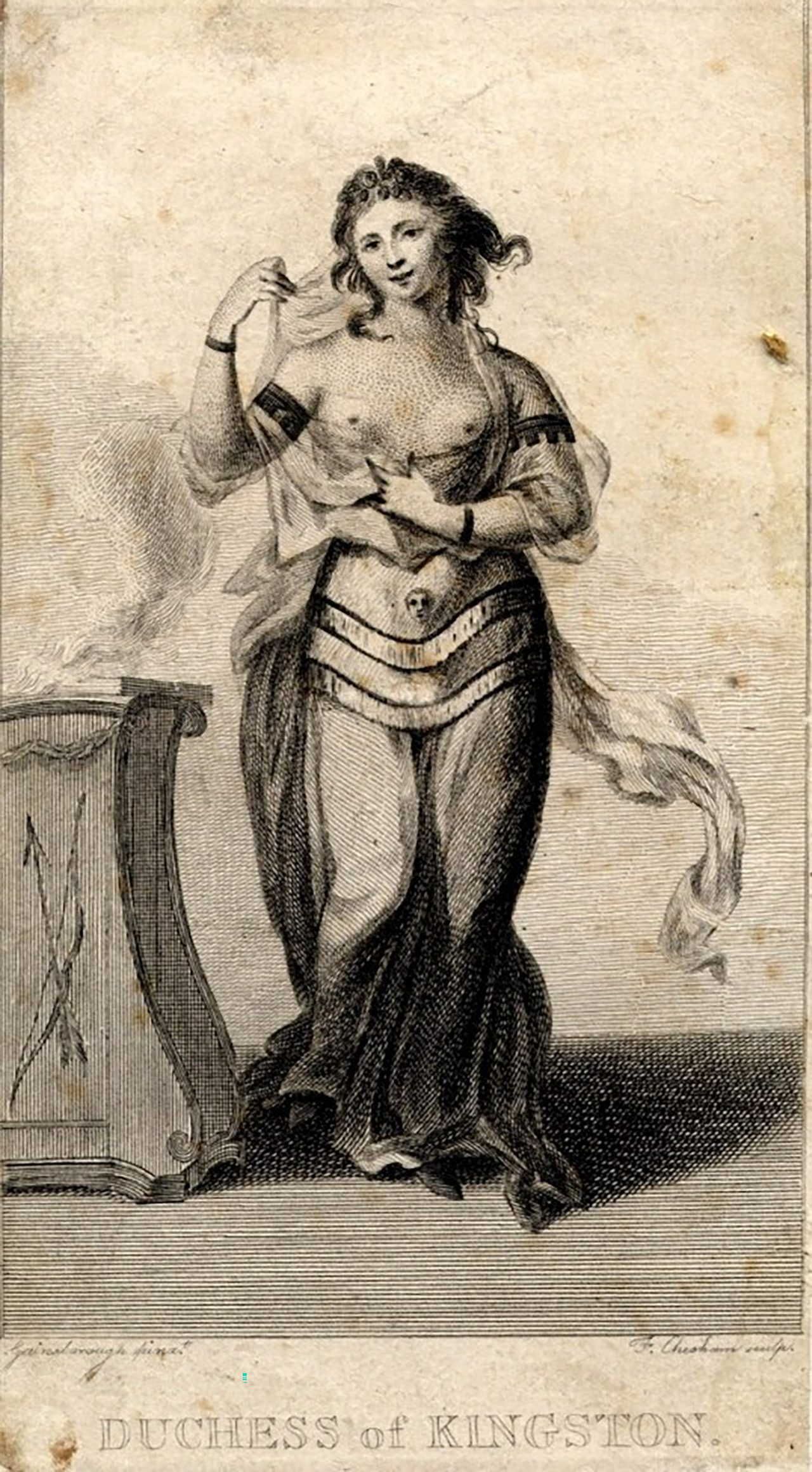
The punishment for bigamy was severe, including the death penalty. Furthermore, those convicted were branded on their left hand. But, Elizabeth desperately wanted to live. Therefore, the court's decision – stripping her of the ducal title, but retaining her inheritance – was perfectly acceptable to her. Moreover, she continued to call herself a duchess without embarrassment.
Paintings for Catherine the Great
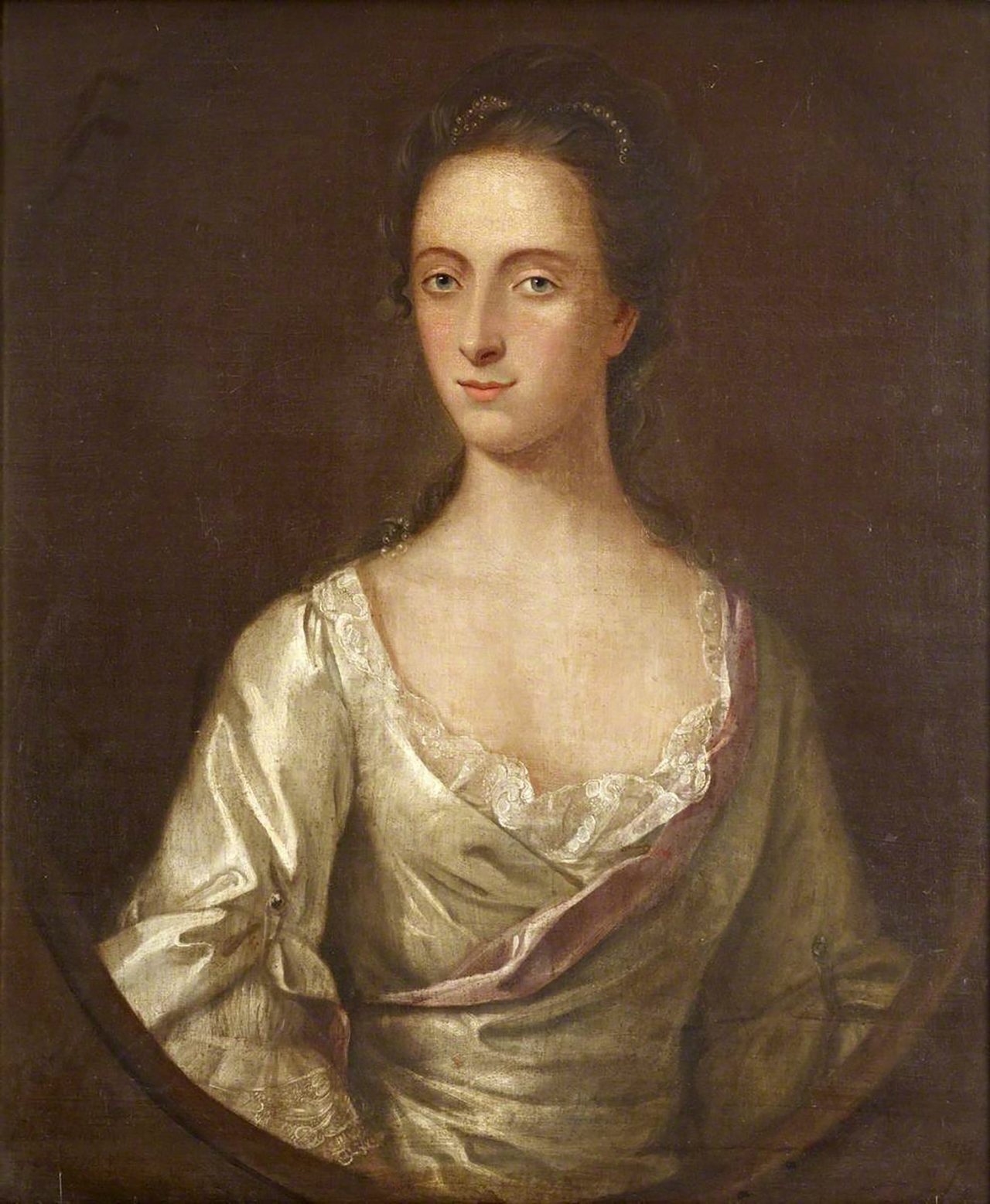
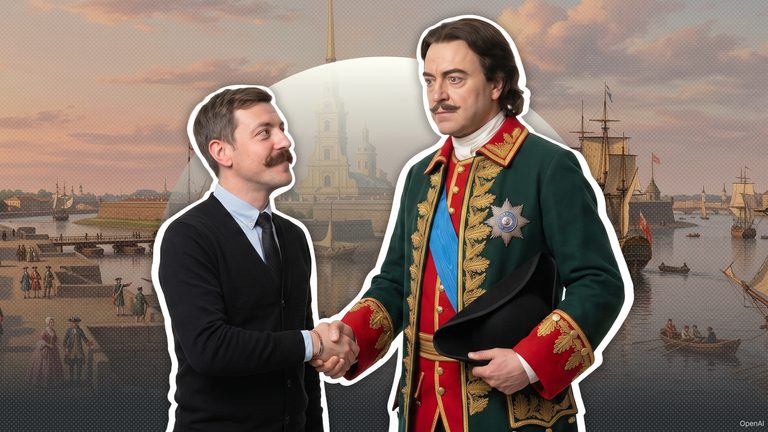
The former maid of honor did not want to remain in England and decided to travel as far away as possible. And she chose… Russia. The plan was simple: obtain a position at the court of Catherine II, settle in St. Petersburg and live a free life. Elizabeth wrote of her desire to give the Russian empress paintings by old masters from the collection inherited from her second husband. But, she set a condition: she must make the choice herself. Catherine agreed and the Englishwoman set out.
In 1777, a yacht moored near the Winter Palace and was immediately surrounded by a crowd of onlookers. The ship's owner didn't turn anyone away; on the contrary, she graciously invited them to see the ship, telling everyone that her dream was to see Catherine the Great at least once.
And her wish came true: the duchess was received at court. The empress wrote of her guest: "She has a good head and no lack of intelligence." The Englishwoman was then granted a plot of land in the Shlisselburg district. She was invited to evening balls and, in return, she hosted receptions on her yacht. Everything was going perfectly. The only thing missing was the status of lady-in-waiting, which Elizabeth was determined to obtain at any cost. To this end, she purchased an estate in Estonia for 74,000 silver rubles, which she named ‘Chudleigh’ after her maiden name, where she established a distillery. Then came a house along the Fontanka River and more land near St. Petersburg. To top it all off, she also bought the famous ‘Red Tavern’ on Peterhof Road. But, the deals didn't produce the desired effect – a foreign subject had never received the title of lady-in-waiting.
Again in Court
Disappointed, the duchess decided to leave Russia in Fall 1777. She did, however, return to St. Petersburg several more times. But, her presence evoked less and less enthusiasm. The empress kept her at a distance, while her courtiers began to do the same.
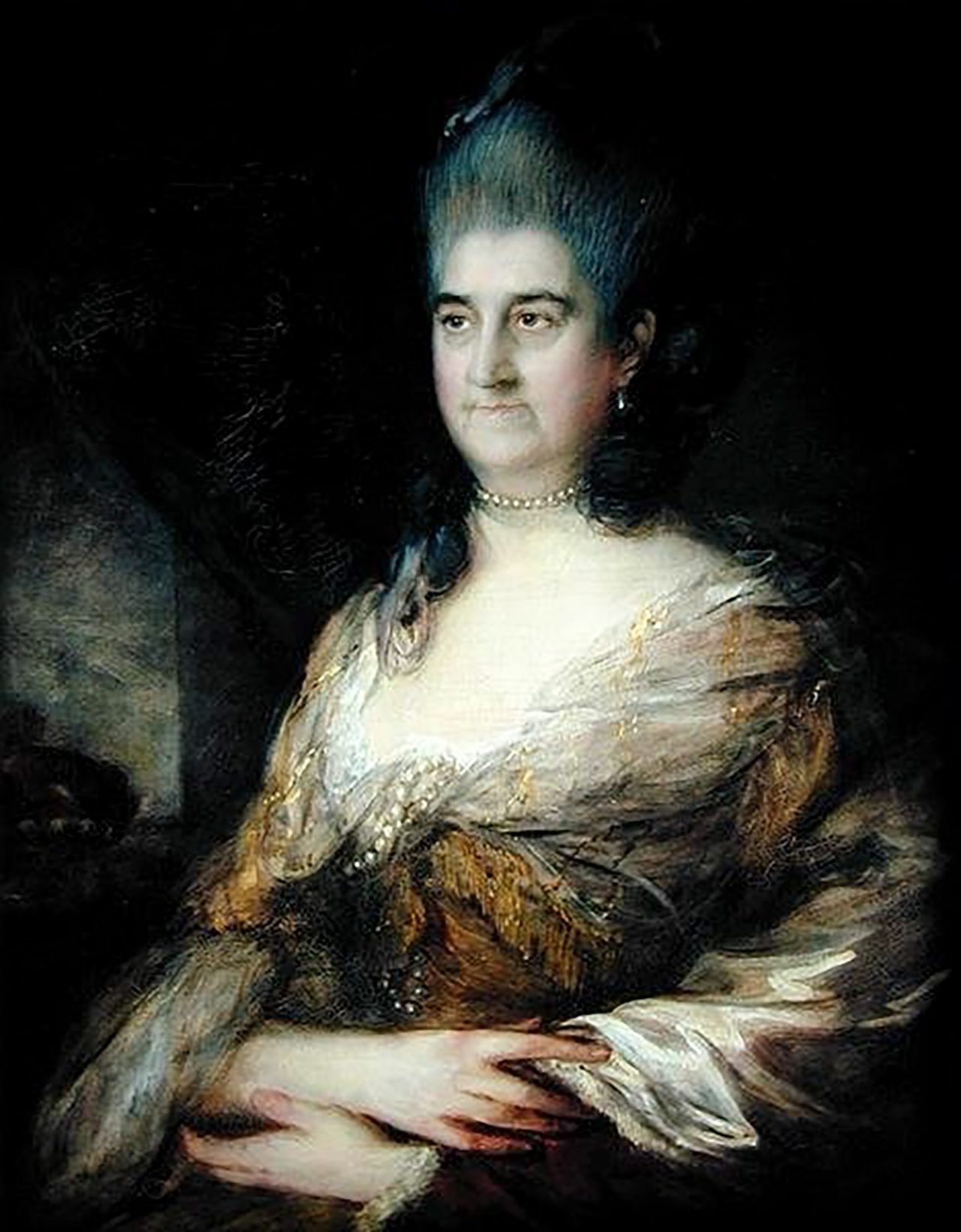
She never returned to England, where her adventures were remembered. In 1787, she bought a house in the town of Fontainebleau and remained in France until her death in 1788. She left behind a fortune of approximately 30 million rubles and bequeathed that she be buried in St. Petersburg (if she died there), "so that her ashes might rest where her heart had always longed during life".
But, even after her death, the duchess continued to be talked about: her detailed will (according to which the Russian empress was to receive a diamond headdress, paintings and everything that was in St. Petersburg – in exchange for which her English executors were to be paid a “tax” of 150,000 rubles) sparked years of litigation. Mikhail Garnovsky, her trustee, appropriated the remaining lands and houses and was in no hurry to part with his newfound wealth. Paul I put an end to the disputes: the English duchess' property was confiscated and transferred to the treasury, while the house on the corner of the Fontanka River was converted into the Izmailovsky Barracks.