
The story behind ‘Ded Moroz’, Russia’s main winter wizard (PICS)
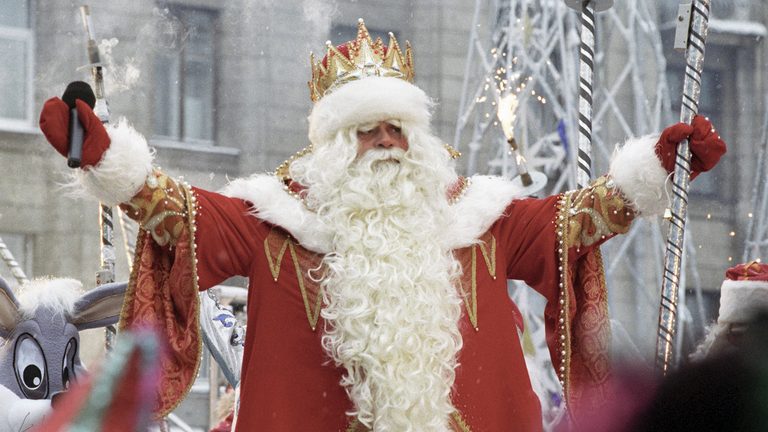
It seems he's always been around – the spirit of the New Year, the lord of snow and the kind grandfather of ‘Snegurochka’ (aka Snow Maiden). But, by historical standards, he's not that old. ‘Ded Moroz’ who greets children at New Year’s trees every year isn't even 90 years old.
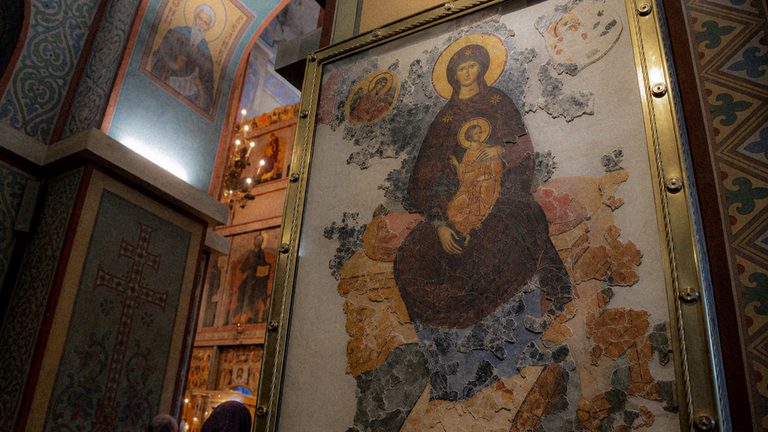
Christian Saint
In the European tradition, Santa Claus comes to children at Christmas and his image is associated with St. Nicholas of Myra, a saint who lived in the late 3rd and early 4th centuries. St. Nicholas was also venerated in Russia and his image has become "merged" with the pagan deity Veles. Therefore, he is also believed to protect livestock and wild animals, save travelers on water and is often associated with the afterlife. It's no coincidence that one of the holidays associated with this saint – St. Nicholas' Day – falls at the beginning of Christmastide after the Nativity Fast.
A character in Slavic mythology
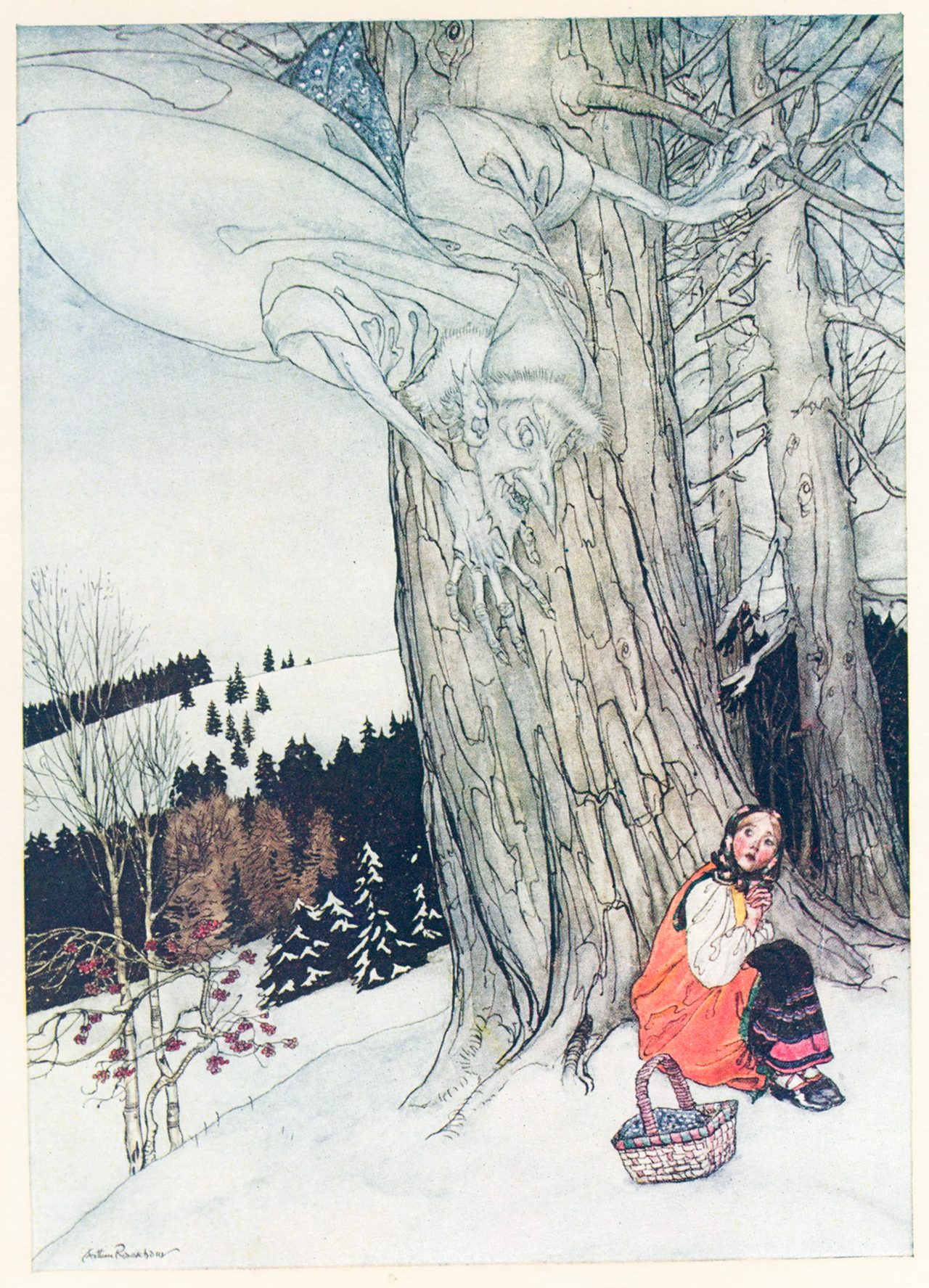
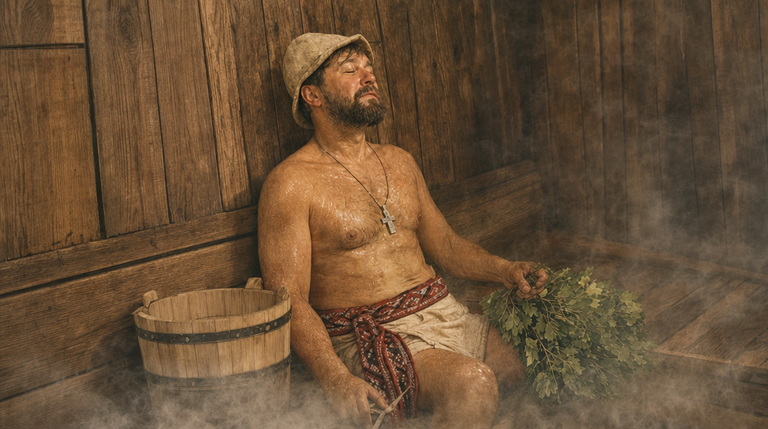
Also known as ‘Treskun’, ‘Studenets’, ‘Karachun’ or simply ‘Moroz’. These were the names of East Slavic spirits responsible for cold and frost. Severe frosts, blizzards, snowfalls and ice binding rivers and lakes – all were their work.
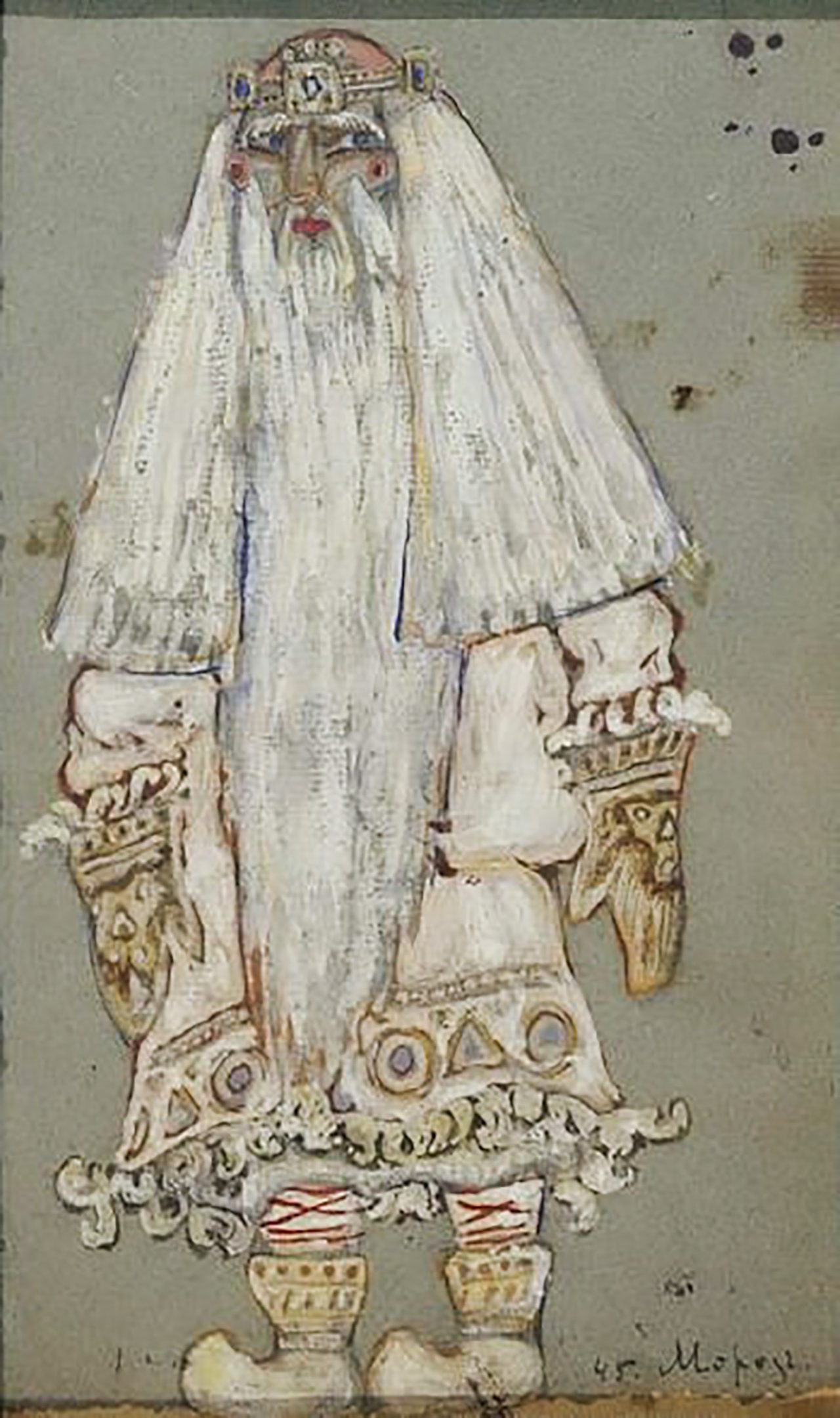
In the 18th and 19th centuries, departed ancestors (or grandfathers) were symbolically invited to the table during Christmastide and St. Basil's Eve, which fell on New Year's Eve, that is, December 31.
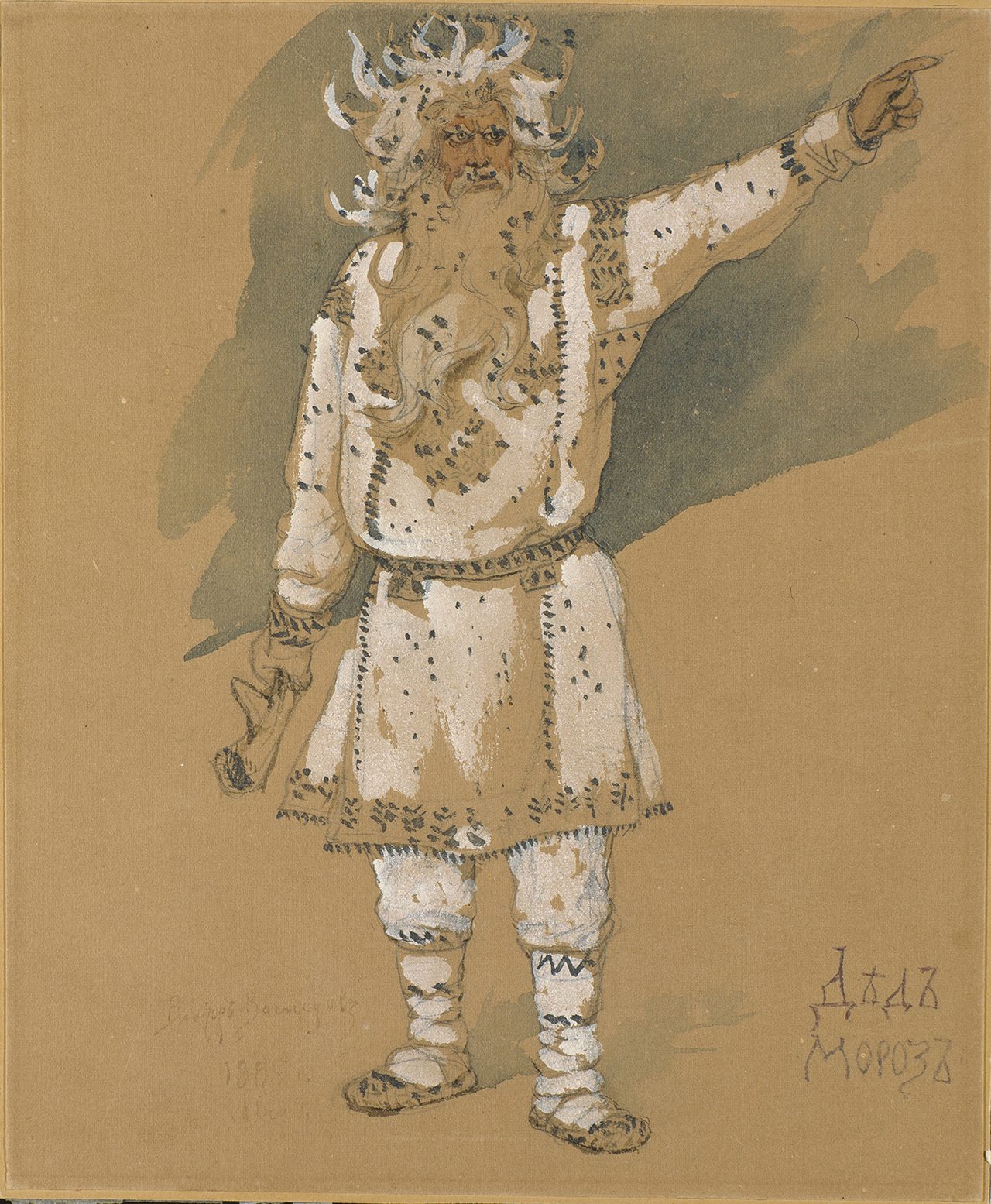
Treats were also offered to ‘Moroz’ to prevent him from freezing the harvest; he was appeased with special offerings – ‘kissel’, ‘kutia’ or even ‘blini’. They also asked for more lenient treatment of crops and not to bring frost upon them.
Literary Hero
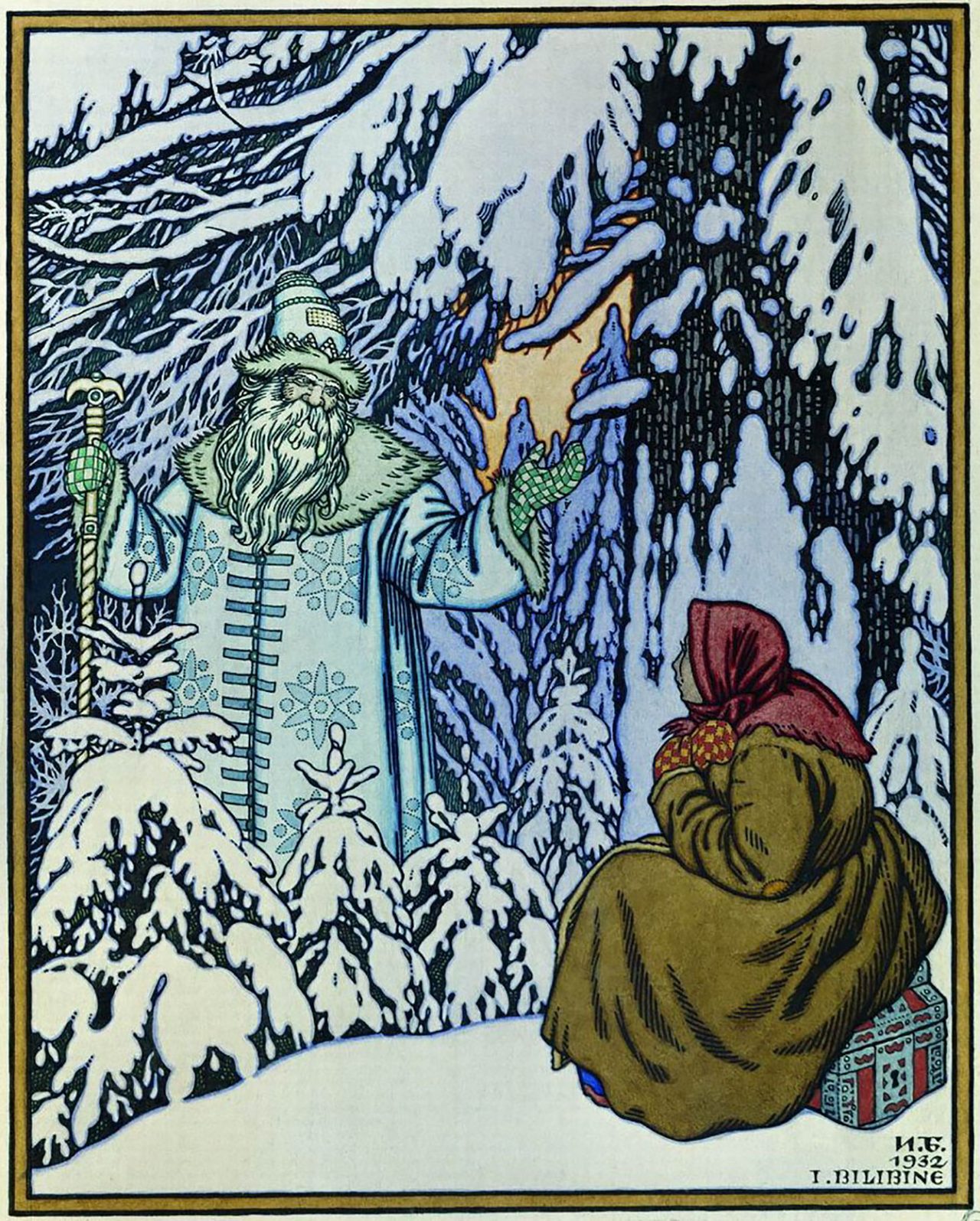
In the 19th century, the image of ‘Moroz’ appeared in fiction. He was partly similar to his pagan "relative". For example, Vladimir Odoevsky's collection ‘Tales of Grandfather Irenaeus’ features a story about Moroz Ivanovich – he doesn't wander the forest with a staff and doesn't bring frost, but lives in a magical land accessible through a well.
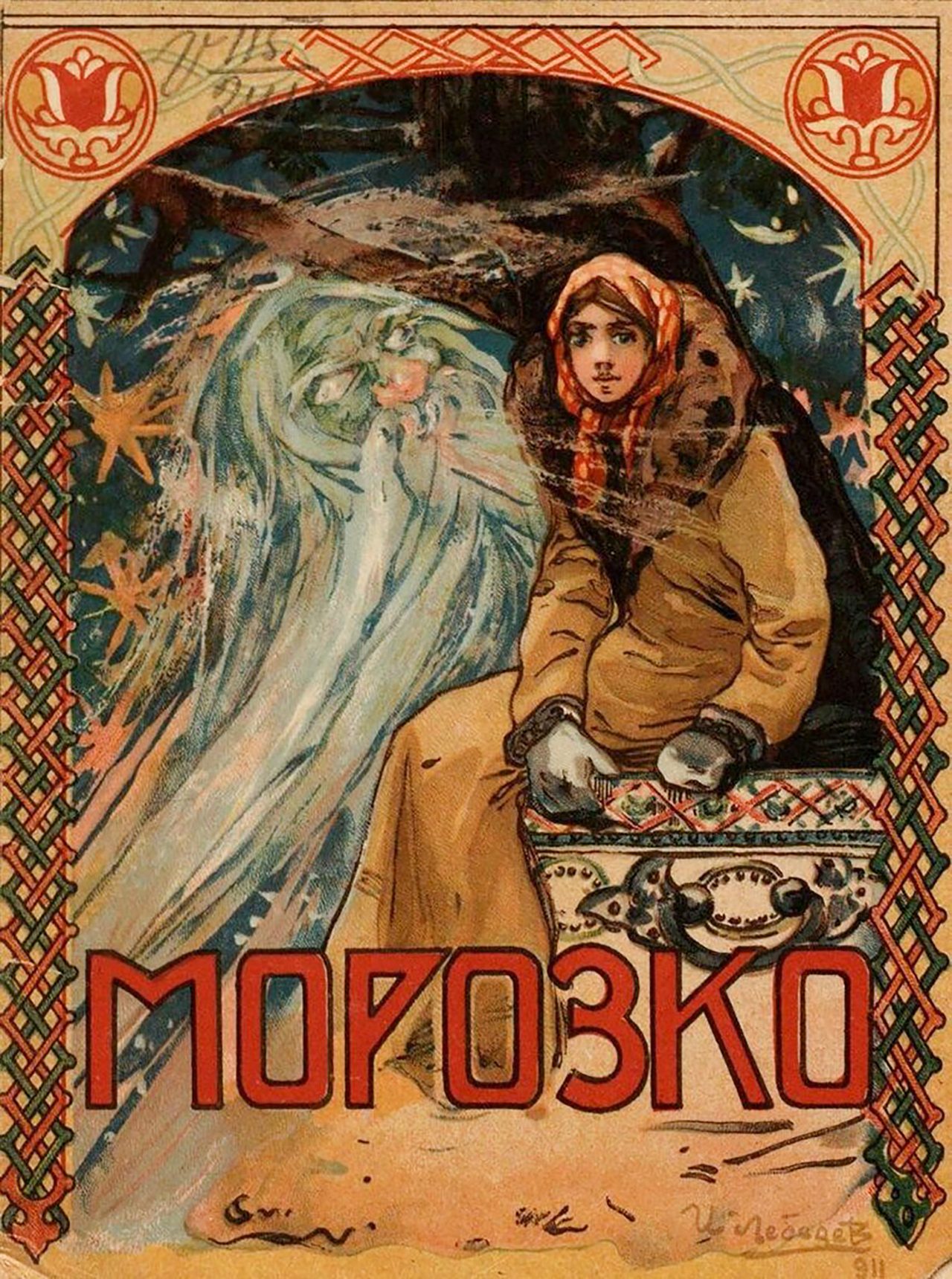
‘Rukodelnitsa’ (the Needlewoman), the heroine of the tale, having arrived there, isable to complete the tasks ‘Moroz' has asked of her and received as a reward a handful of silver coins and "a diamond to pin up her scarf". And her lazy sister, who did nothing, received an icicle and a mercury ingot.
Alexander Afanasyev's fairy tales feature ‘Morozko’ – an old man with a white beard and a walking stick, with which he brings frost upon his domain.
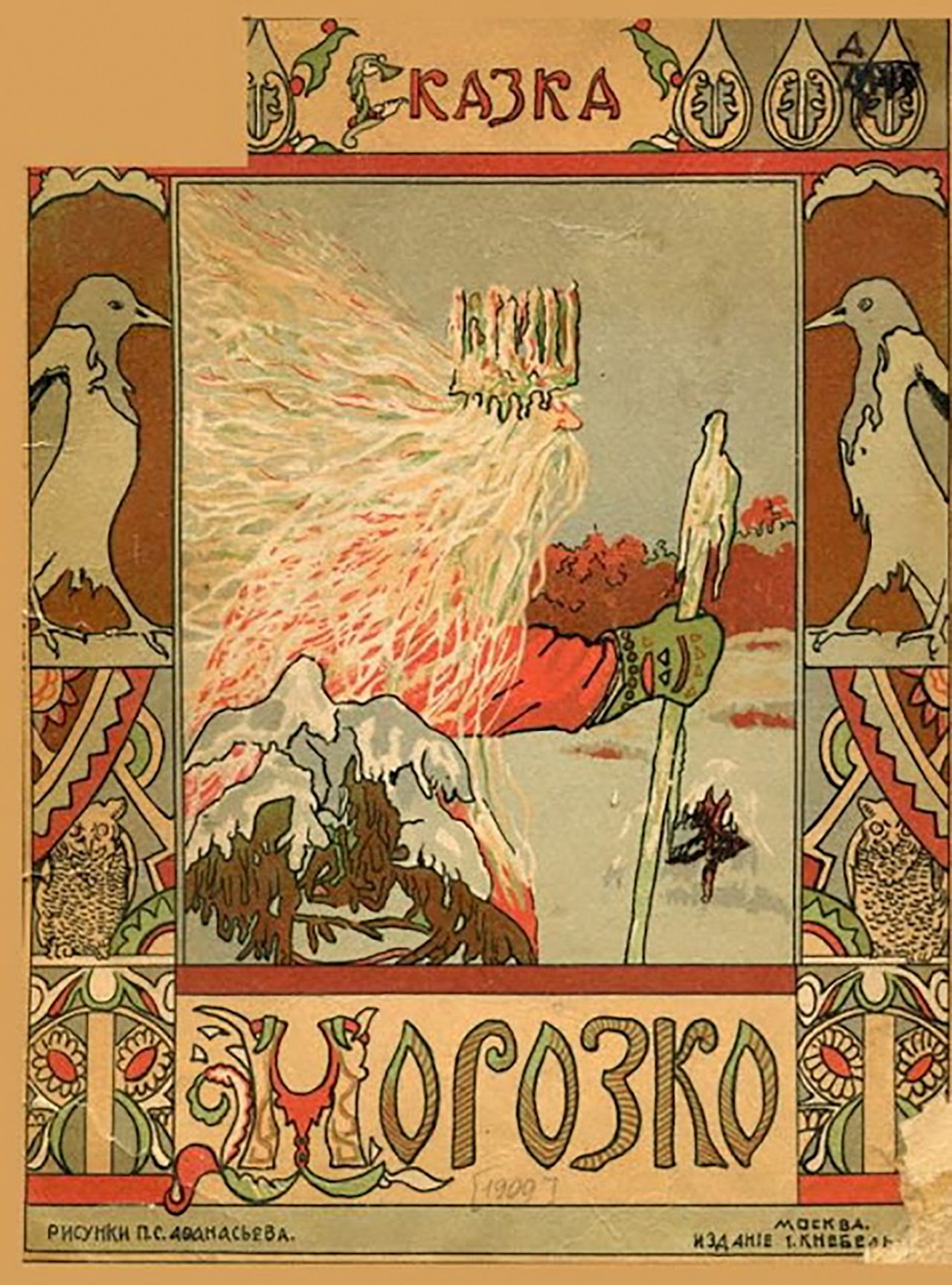
An evil stepmother sends her stepdaughter into the forest to her certain death, but her meekness and patience pleases ‘Morozko’, who warms her and gives her rich gifts. Conversely, he freezes her neglectful sisters for their rudeness.
Grandfather Nikolai
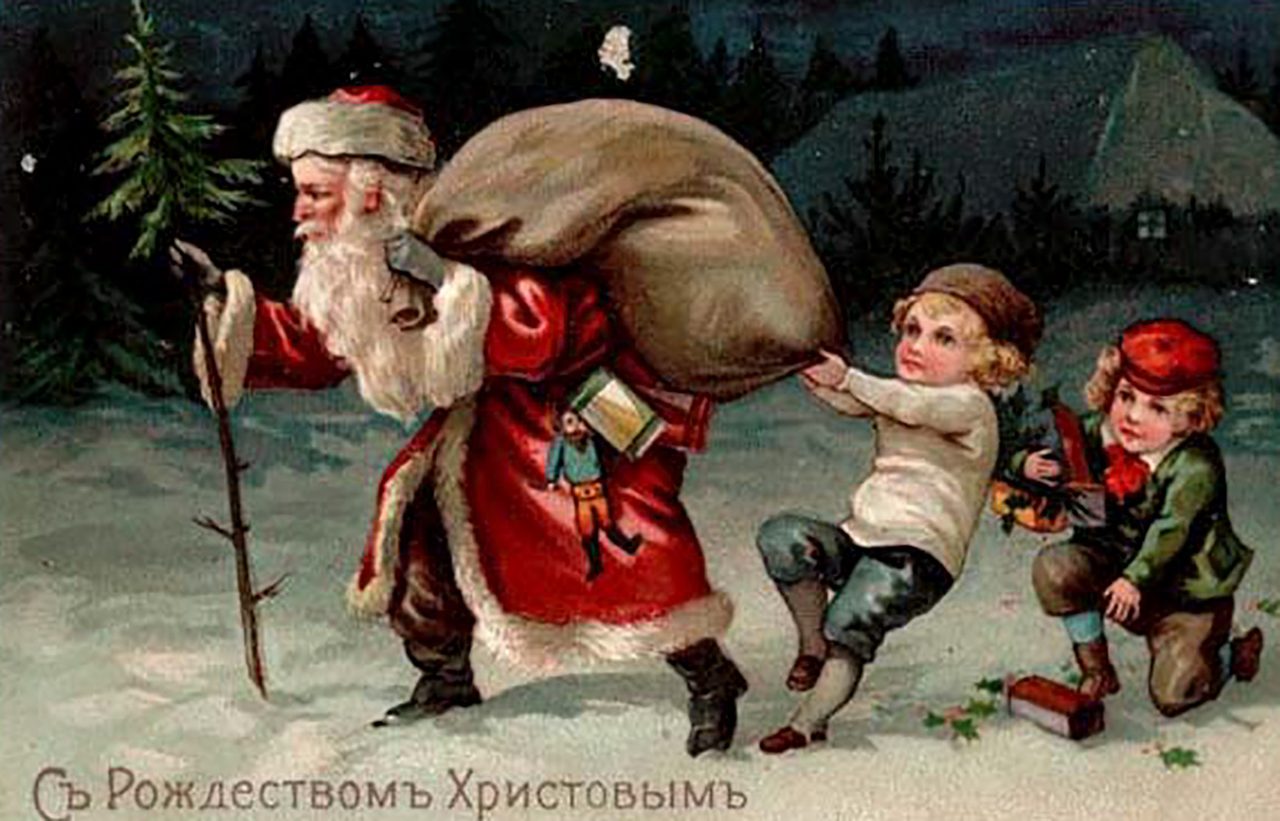
At the same time, sometime in the 19th century, the tradition of decorating Christmas trees emerged in Russia. Alongside them, one could see the figure of Father Christmas: in the German tradition, Old Ruprecht or Grandfather Nikolai, but these characters weren't very popular.
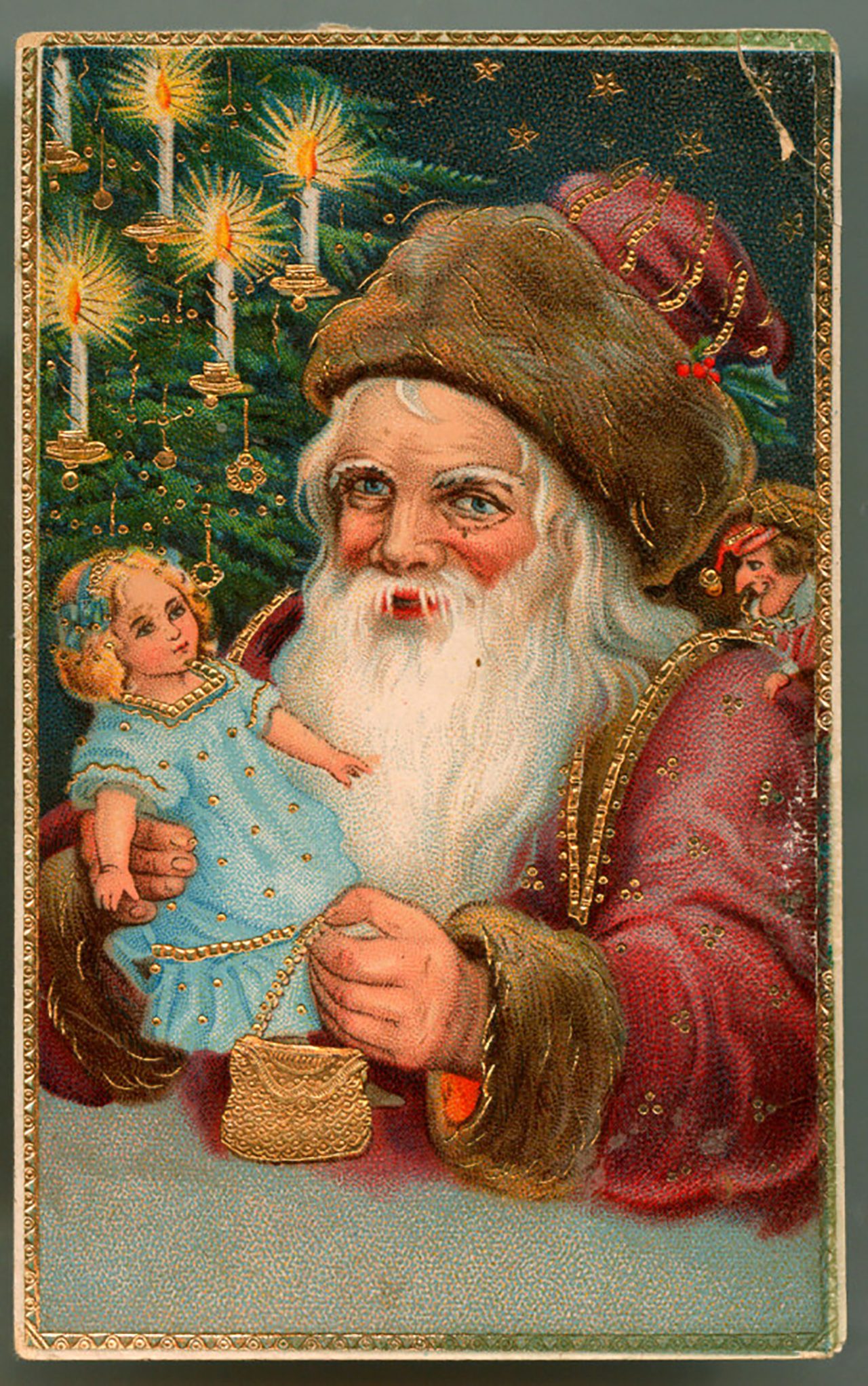
Toward the end of the century, ‘Ded Moroz’, more relatable to both adults and children, began to appear. But, this didn't last long: the 1917 Bolshevik Revolution abolished all religious holidays and everything associated with them.
The current ‘Ded Moroz’
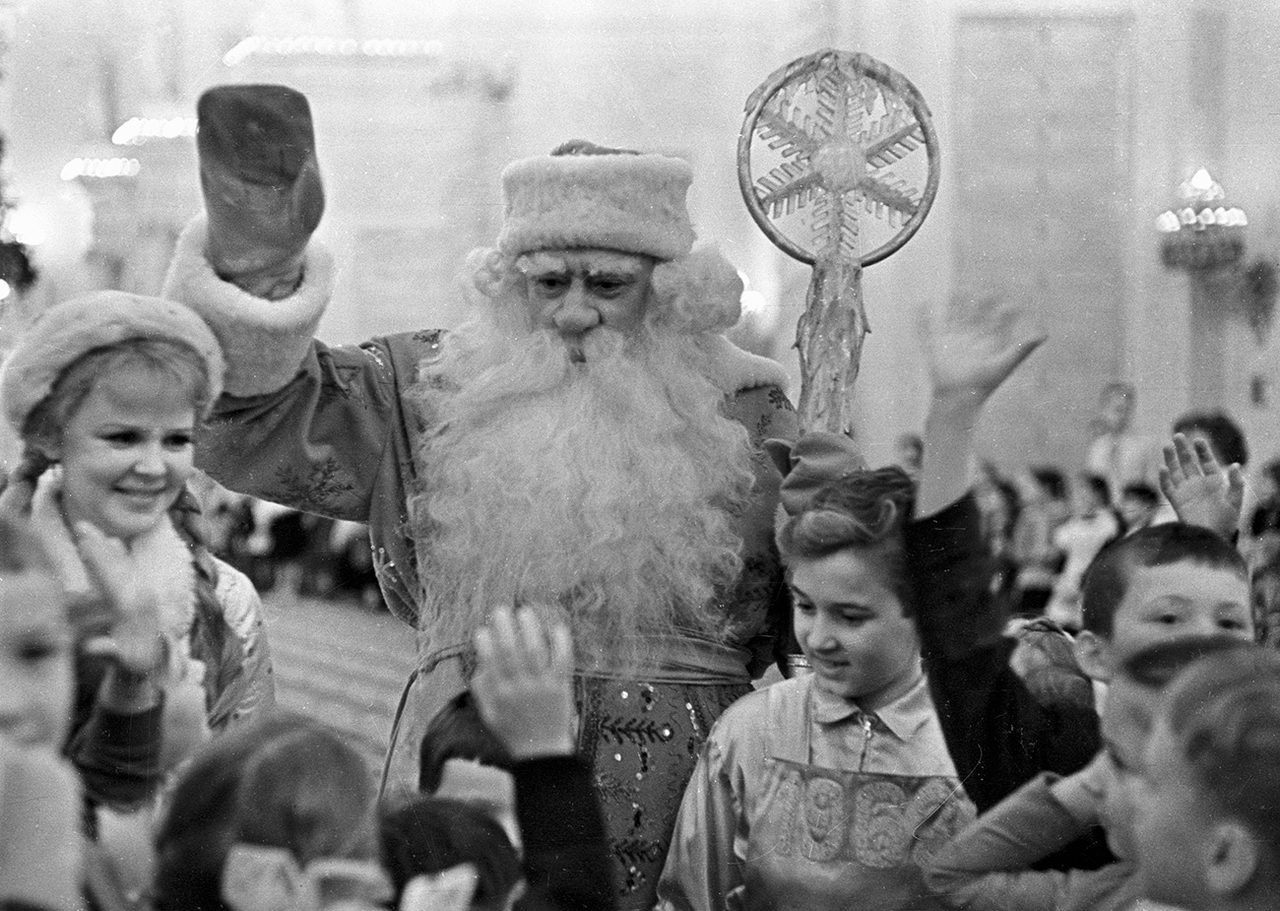
It wasn’t until 1935, when the idea of putting up a Christmas tree for New Year arose, that the characters associated with it were remembered. And then, ‘Ded Moroz’ returned, this time as a “kind winter wizard”. He retained some of the traits of all his "ancestors", yet he was a completely new hero – a fairytale character, unconnected to religion or other "relics of the past". He first appeared by the New Year's tree in the House of Unions to congratulate everyone on the arrival of 1937. With his full beard, staff and fur coat, the image was so striking that nothing else needed to be invented.
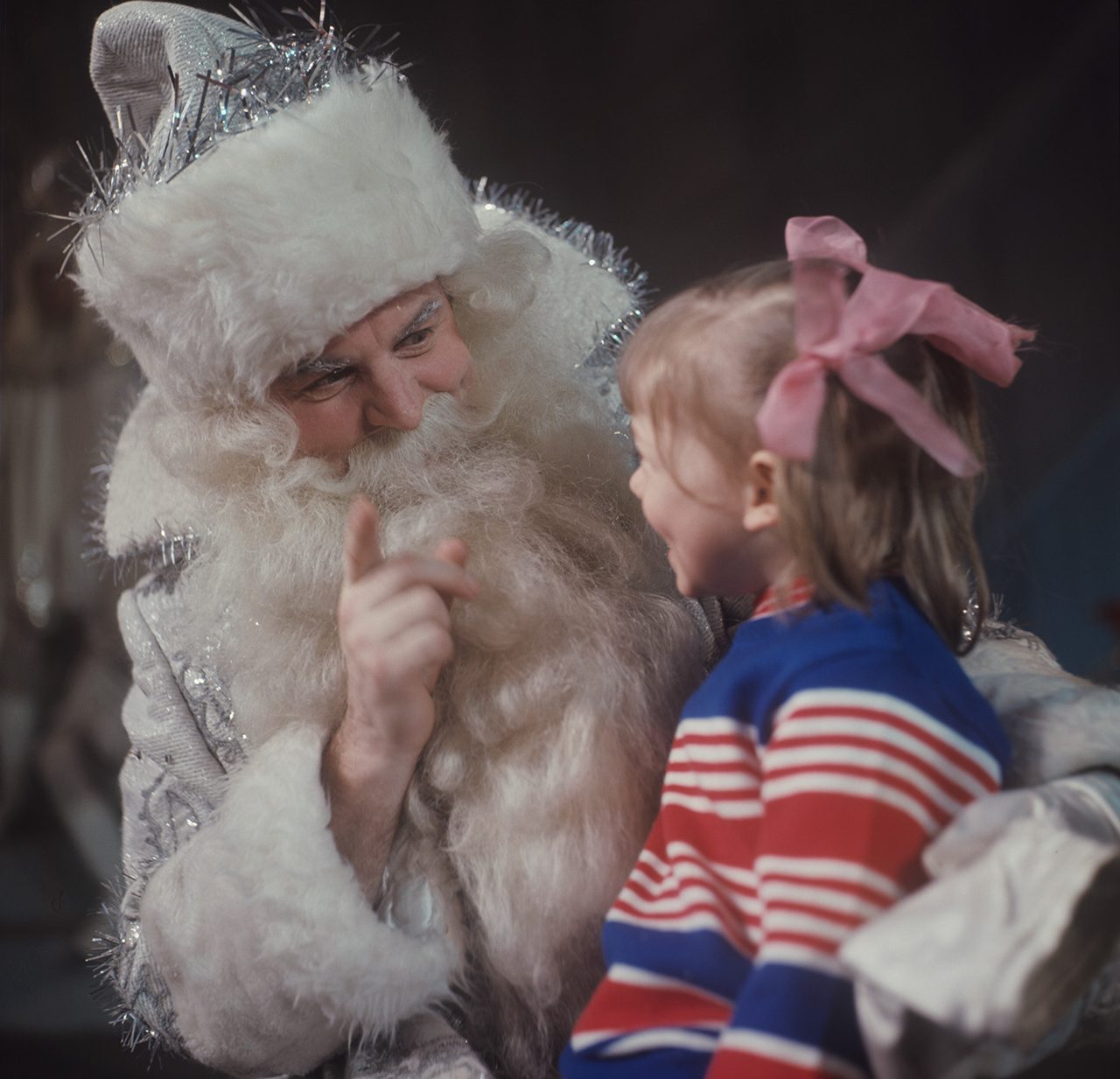
Since then, there has never been a time when the main winter wizard hasn't wished children (and adults) a Happy New Year. There were no exceptions, even during the Great Patriotic War. Almost 90 years have passed since the modern ‘Ded Moroz’ first appeared, but, to this day, no character is more popular than him.