
How was New Year's Eve celebrated under the Russian empresses?
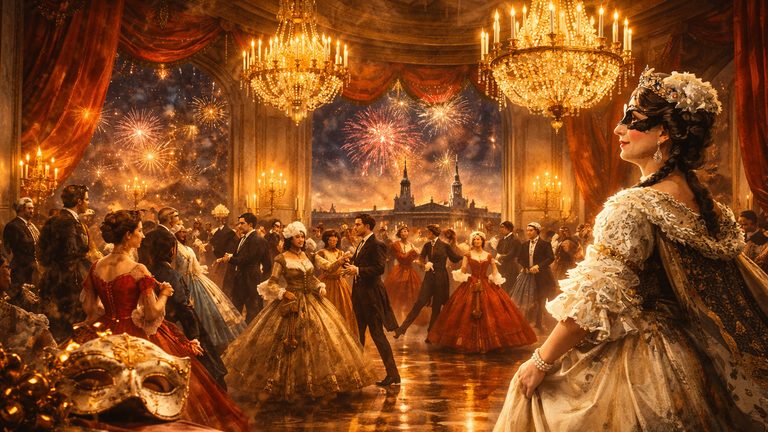
What kind of holiday would it be without cannons? Without masquerades and music?! Here's how the holidays were celebrated in Tsarist Russia.
Until 1817, Christmas trees weren't erected for Christmas or New Year's Eve. Although Peter the Great tried to instill the habit of decorating houses with coniferous branches, it didn't become popular until much later. Grand Duchess Alexandra Feodorovna, the future wife of Nicholas I, brought this tradition from her native Prussia. However, New Year’s Eve was celebrated around the table: according to the Julian calendar, adopted in Russia before the 1917 Bolshevik Revolution, the arrival of Christmas on December 25 coincided with the end of the Nativity Fast and the beginning of Christmastide. They continued until Epiphany and led to a series of celebrations with feasts, visits to relatives, balls and fortune-telling. So, the secular New Year was a pleasant event that fit perfectly into the fabric of festivities and certainly didn't have the same significance as today. For example, the ‘Sankt-Peterburgskie Vedomosti’ newspaper wrote about the beginning of the year as follows: "St. Petersburg celebrates St. Basil's Day (January 1 marks the feast day of St. Basil the Great of Caesarea) just like all other evenings: people play cards the same way, dance the same way, dine and drink champagne the same way, with the only difference being the addition of New Year's greetings."
Fireworks for Anna Ioannovna
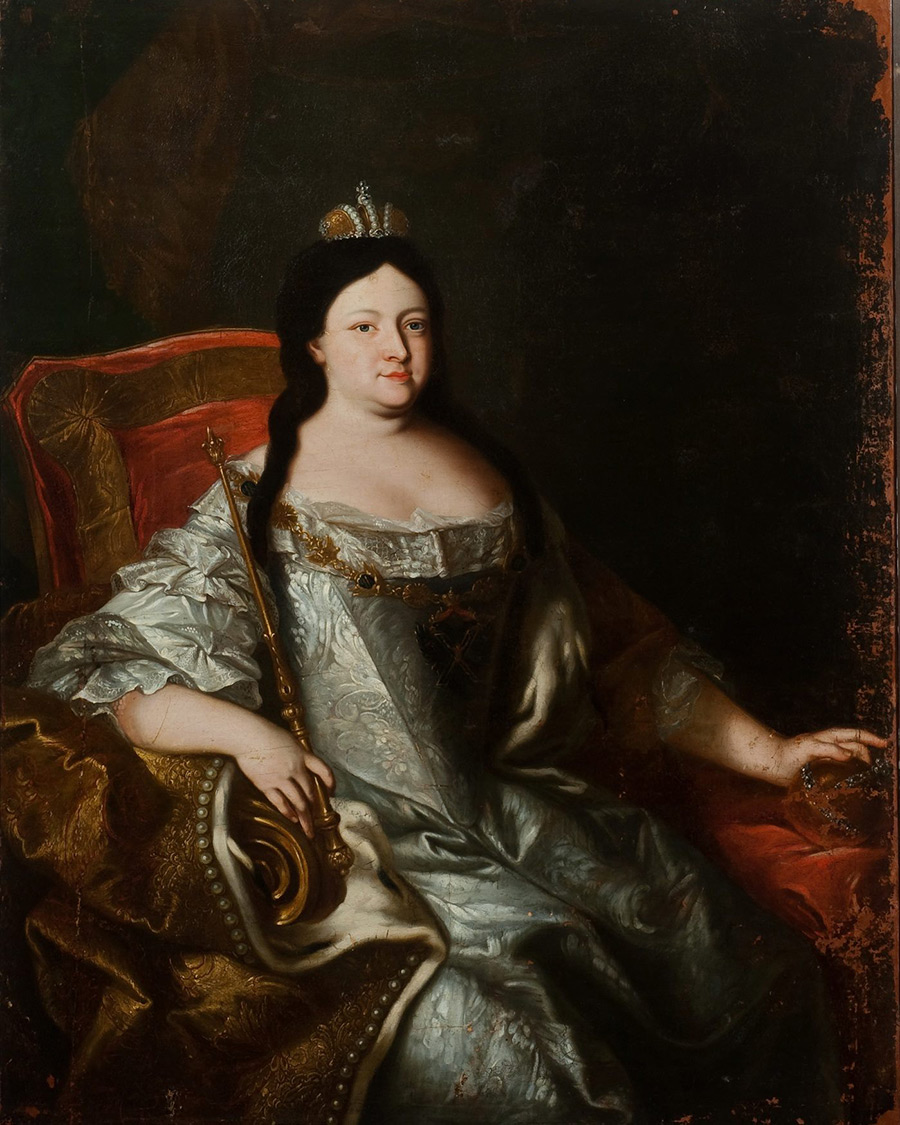
New Year's Eve should be bright. That’s why Anna Ioannovna celebrated the holiday with fireworks. Newspapers of the time reported that on the morning of January 1st, a ceremony was held in St. Petersburg using the cannons of the Peter and Paul Fortress and the Admiralty, which were clearly audible throughout the entire district. In the evening, special lighting was turned on: small lamps filled with burning oil were placed in the streets and squares to illuminate them.
Anna Ioannovna knew how to create spectacular events. Thus, in 1736, on the night of January 1 in St. Petersburg, according to the recollections of contemporaries, it was as bright as day, and huge fireworks scattered across the sky. They depicted a female figure bowing before the empress — symbolically, all of Russia was paying tribute to its ruler.
Cannon fire & Italian music for Elizabeth Petrovna
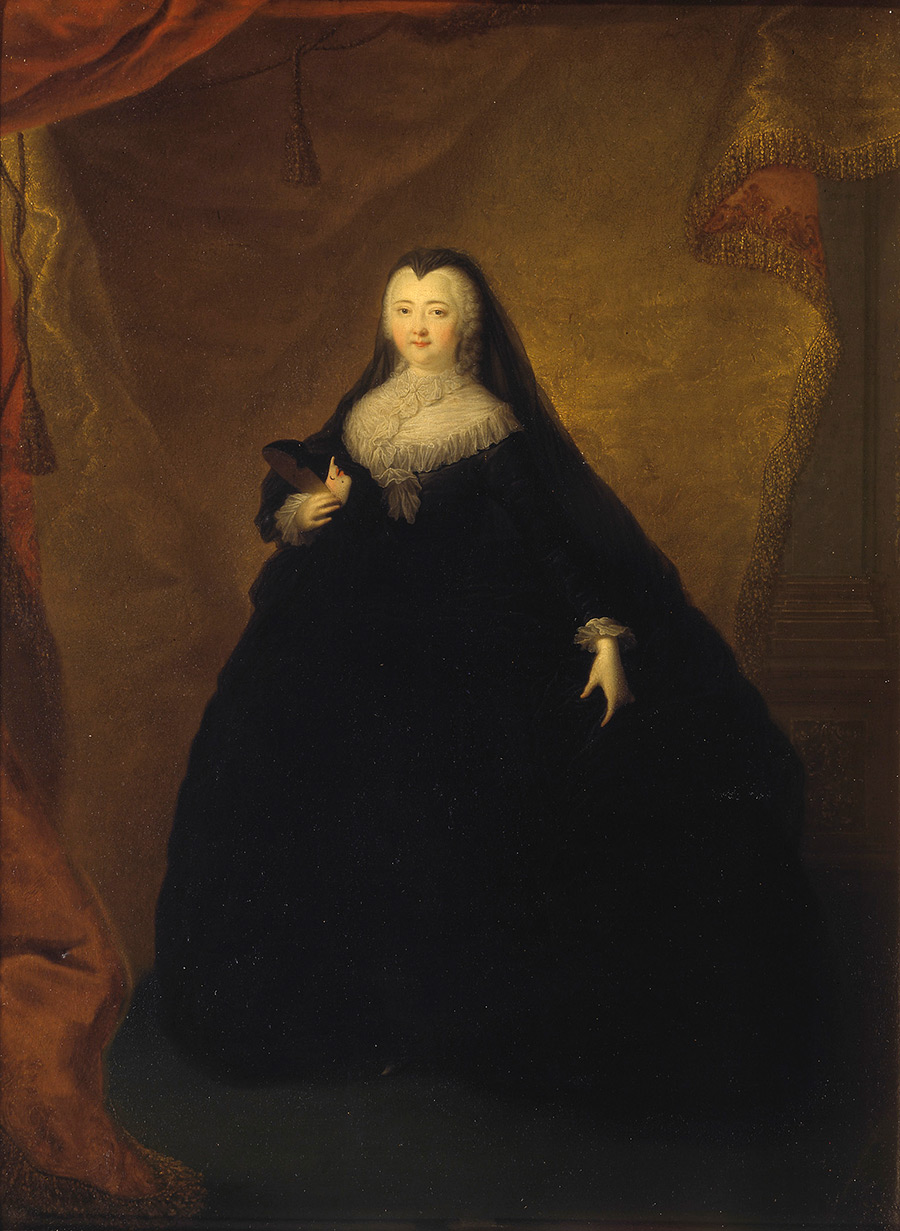
In the 18th century, residents of St. Petersburg could tell exactly what the empress was doing on January 1. If cannons were heard, it meant the liturgy in the court church had concluded, which Elizabeth Petrovna always attended. In the morning, she received courtiers and foreign ministers and then, accompanied by her family and friends, she went to church. The cannons boomed 51 times and another 31 salvos were fired in honor of Peter Feodorovich, the heir to the throne, and his wife. At dinner, Italian music was played for the empress and a choir sang.
And in the evening, there was a ball: "At eight o'clock, two orchestras began to play and continued until 7:00 am." The dress code was agreed upon in advance: it was forbidden to come in servants’ costumes, only in rich clothing, “in decent masks” and with lavish hairstyles. Carrying weapons was also strictly forbidden. It was especially difficult for the ladies: it was impossible to surpass Elizabeth Petrovna in the luxury of their dresses or jewelry, otherwise they could face serious trouble. .
During the New Year holidays, masquerades with costume changes were often held: women were expected to appear in men's attire, while men in women's. Guests who dressed according to the dress code did not feel very comfortable. Elizabeth Petrovna, however, was in her element: men's suits suited her very well. After the ball, there followed an early breakfast or late dinner "with grape wines included, as well as coffee, chocolate, tea, orgeat and lemonade."
Christmas games & a dress-up masquerade ball for Catherine II
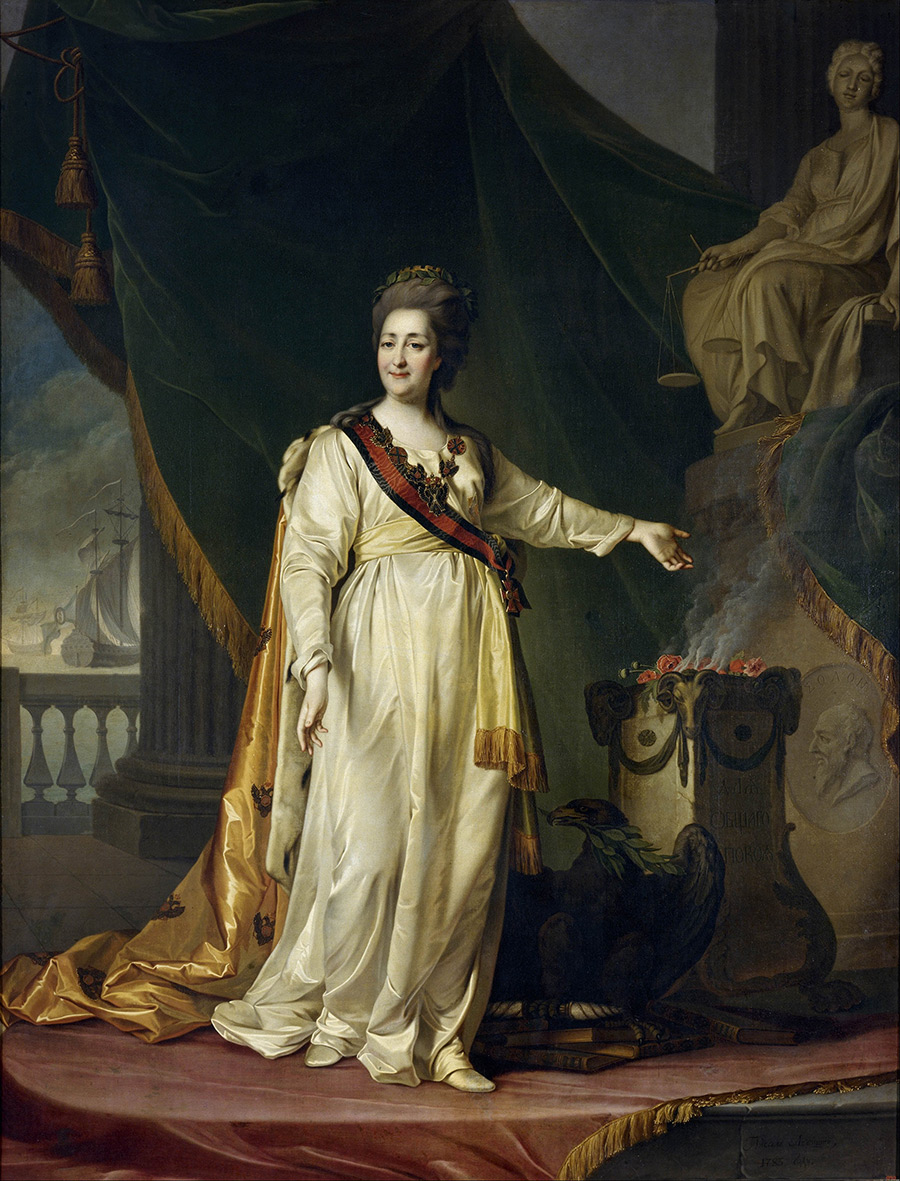
Under this empress, New Year's celebrations began with an official ceremony. First, there was a church service, where one could receive greetings and congratulations from the clergy. Then came the cannon fire salute and a parade accompanied by music under the palace windows. The festive dinner was served in a special crystal tent located in the theater hall of the Winter Palace.
After Christmas, the empress organized festive games: Catherine herself opened them, coming out in the first minuet (a slow, stately ballroom dance for two in triple time, popular especially in the 18th century – Ed.) with the heir to the throne, Paul. Then she switched to card games (and the grand duke to the then popular game of ‘biryulki’), after which it was time for folk games and dances. One of them was described as follows: “They stood in a circle of three and chased the fourth” – and this continued for an hour and a half. Catherine herself willingly participated in both games and dances.
At times, the courtiers were overcome with New Year's Eve madness. One day, Count Grigory Orlov, the empress' favorite, along with Count Alexander Stroganov and other nobles, dressed up as women and appeared before Catherine. Knowing the empress' love of masquerades, the courtiers decided to disguise themselves as a group of ladies and their governess. "…they all wore blouses, skirts and bonnets. One of them had a scarf on his head…" is how the courtiers described the scene. The assembled guests quickly figured out what was going on and invited them to the table, treated the seven "beauties" to punch and then all began to dance together.
Interestingly, it was during Catherine's reign that the tradition of giving each other presents for New Year's Eve arose: the empress herself loved to shower those she admired with luxurious presents and expected the same from her subjects.