

How a simple thief became a famous Moscow detective
Osipov's sharp wit, impudence and resourcefulness often helped him escape the most difficult situations. But, greed ultimately proved his undoing.
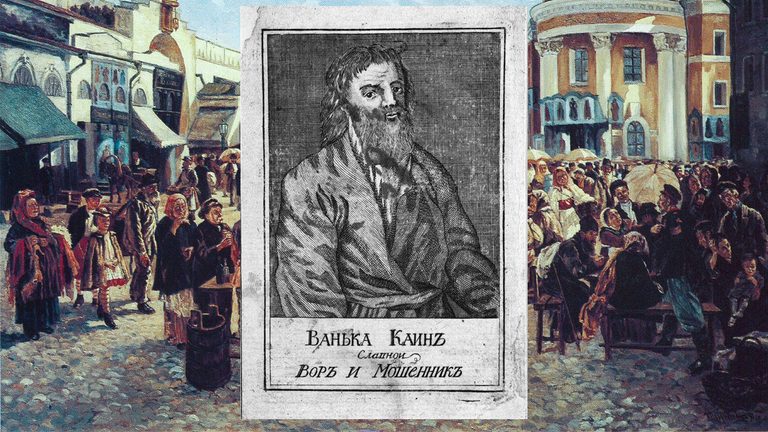
Ivan Osipov, nicknamed ‘Vanka-Cain’, was known in the 18th-century Moscow underworld as a daring and resourceful thief. He could find a way to break into any home and masterfully escape with any loot.
Osipov and his accomplices also weren't afraid to rob passersby in broad daylight, so much so that, at one point, nearly the entire city began hunting them. The criminal then fled to the Volga River to join Ataman Mikhail Zarya’s gang. But, these bandits didn't just rob. They tortured and killed those who resisted. The resourceful thief decided that this road would quickly lead him to the executioner's block.
In 1741, following the accession of Empress Elizabeth Petrovna to the throne, a decree was issued "On the Most Merciful Forgiveness of Criminals", with the condition that they confess to the Moscow Detective Department. And this is precisely what ‘Vanka-Cain’ did. He declared his readiness to atone for his guilt by helping fight crime. And, indeed, he turned in many of his comrades, using his extensive knowledge, experience and skills to track down swindlers and robbers.
In 1742, he was made a full-time employee of the Detective Department and given command of a detachment of soldiers. He even created an operating network of informants.
However, Osipov quickly fell back into the dark side. He began to use his high position to engage in extortion, taking money and jewelry even from criminals. And those who did not pay were arrested.
He caught many bandits and, for a long time, authorities turned a blind eye to the complaints pouring in. However, in 1749, Police Chief General Alexei Tatishchev took up Osipov’s case personally. Six years later, he was sentenced to death. This was later commuted to flogging, the ripping out of his nostrils and exile to hard labor in Siberia. There, his trail was lost.