
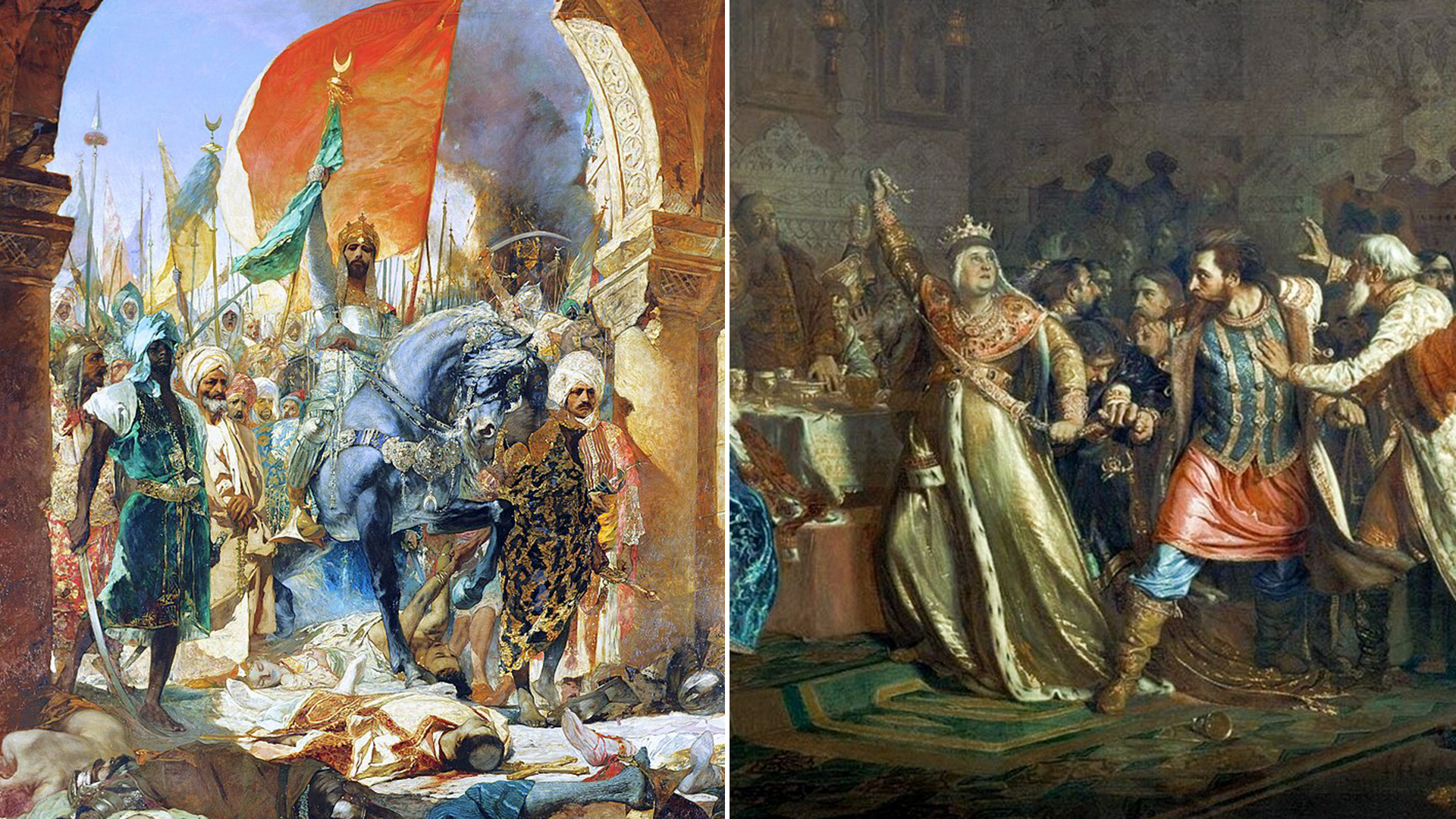
What was going on in Russia during the St. Bartholomew's Day massacre in Paris?
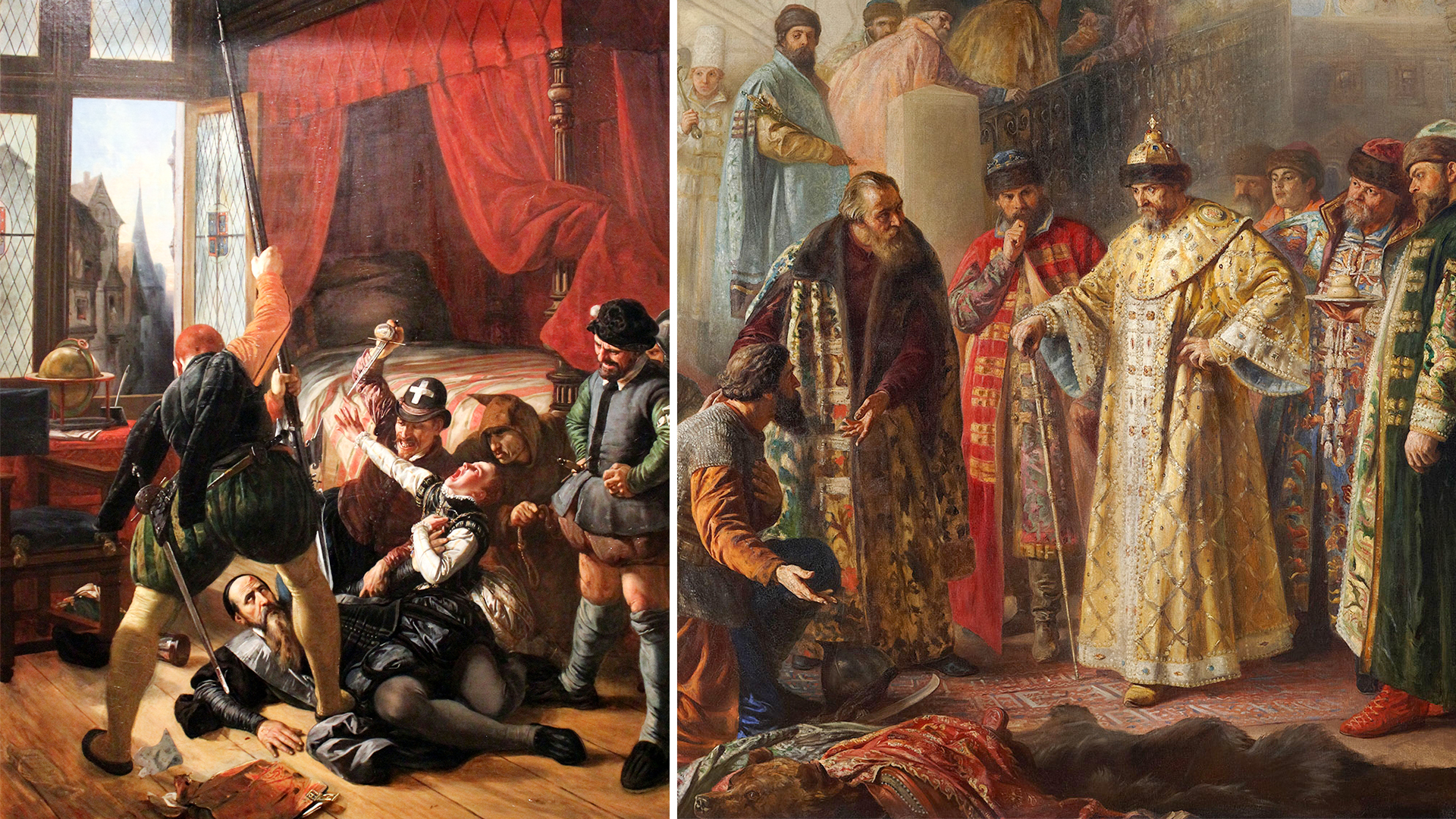
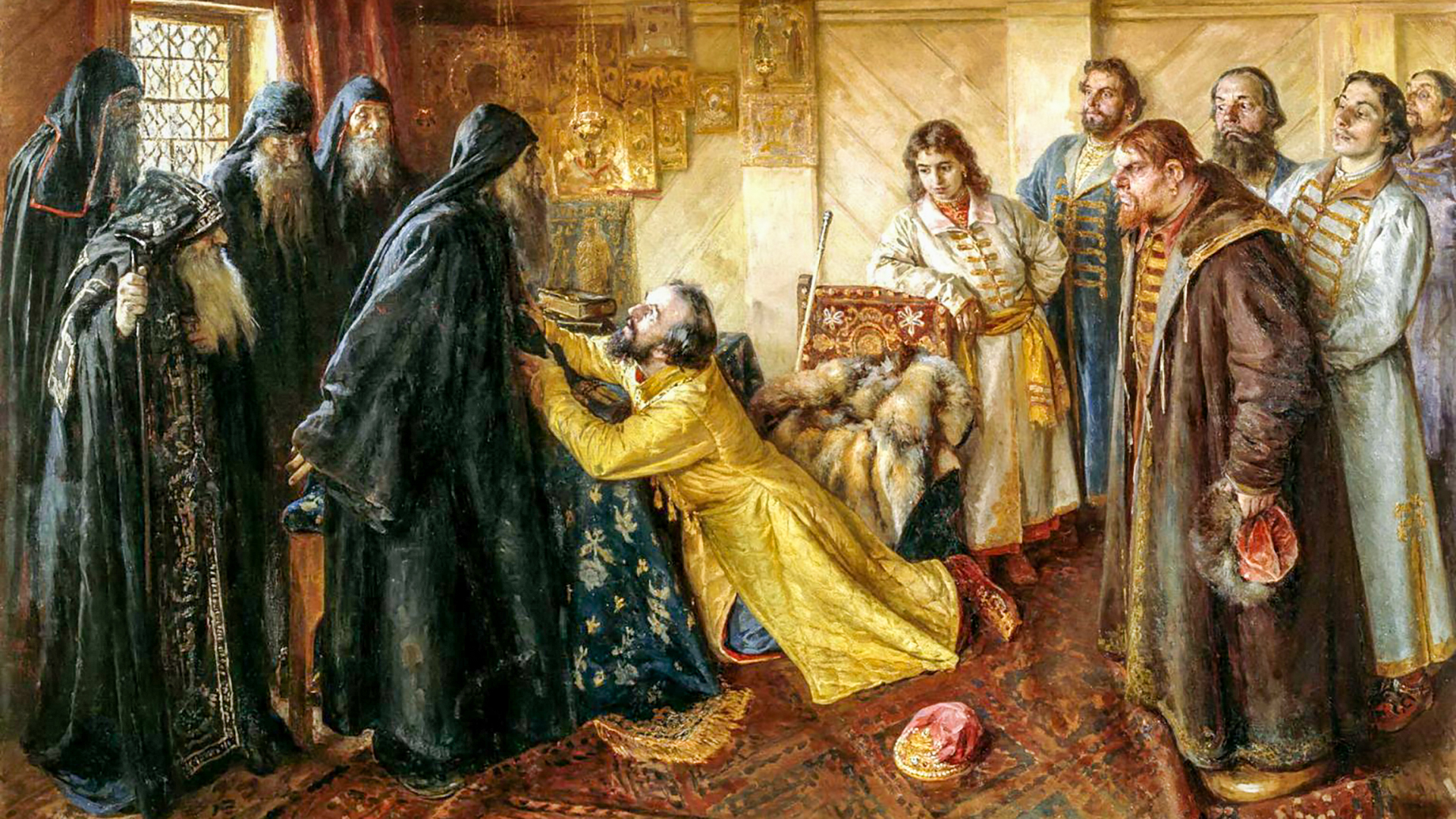
Ivan IV the Terrible ruled the Russian Tsardom. And the bloody events in the French capital and beyond deeply shocked him.
On the night of August 24, 1572, the eve of St. Bartholomew's Day, a massacre of Protestant Huguenots began in Paris. It was initiated by Catherine de' Medici, the mother of King Charles IX.
Medici intended to only eliminate Gaspard de Coligny, the leader of the Huguenot movement, and several of his associates, but the massacre quickly became uncontrollable and spread to other cities. The total death toll was estimated at 30,000.
The Pope and several Catholic monarchs rejoiced, while Protestant rulers condemned the massacre. Tsar of All Rus' Ivan IV the Terrible joined in.
The year 1572 was eventful for the Russian Tsardom. In early August, at the ‘Battle of Molodi’ near Moscow, the army of Crimean Khan Devlet I Giray suffered a heavy defeat. And, with it, the Crimean Tatar threat was removed for 20 years.
Preparations for a royal election began in the Polish-Lithuanian Commonwealth. Ivan IV was one of the candidates – some of the gentry hoped that his election would secure the eastern borders of the state. However, the tsar made unacceptable territorial claims and did not send his representatives to the elections, so in 1573, French prince Henry of Valois was elected king.
In 1572, the division of the Russian Tsardom into ‘oprichnina’ (from the Old Russian ‘oprich’ meaning ‘outside’, ‘separate’) and ‘zemshchina’ was abolished. The former included the richest lands under the tsar's control, while the latter consisted of the holdings of the boyar families, ruled by the Boyar Duma.
The tsar decided to divide the state in 1565, due to dissatisfaction among the nobility and clergy with the limitations of his power. He ruled the ‘oprichnina’ lands undividedly, but even within the ‘zemshchina’, he reserved for himself the right to decide all the most important matters. When Devlet Giray burned Moscow in 1571, the destructiveness of the ‘oprichnina’ became clear to the tsar.