How Russian Emperor Paul I was assassinated
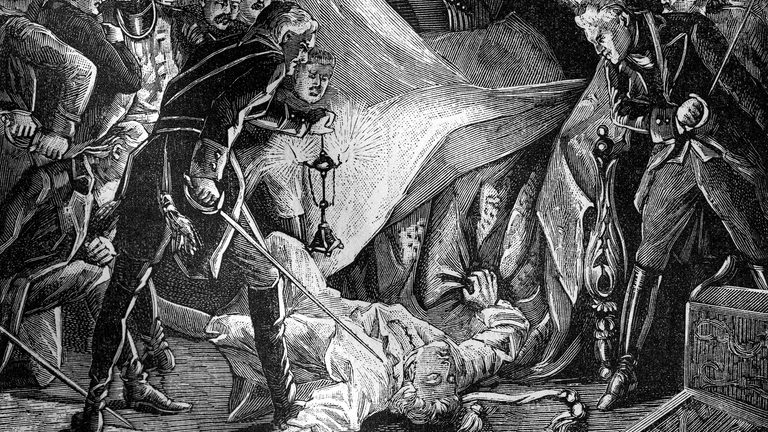
The conspirators found the monarch in his nightshirt in the chambers of the Mikhailovsky Castle in St. Petersburg. The guards were knocked out and there was no help to be found…
Several hundred people were involved in the conspiracy: courtiers, guard officers and even the governor-general of St. Petersburg. The monarch was hated for depriving nobility of their freedoms and privileges and introducing corporal punishment for them. For any minor offense, anyone could be stripped of their lands and sent into exile.
Paul's foreign policy was also shocking. He severed the long-standing alliance with England and, together with Napoleon, began planning a campaign against British India. There is a theory that the British, if not directly involved, were at least aware of the conspiracy.
At exactly midnight on March 24, 1801, a group of conspirators broke into the Mikhailovsky Castle in St. Petersburg, where the emperor was staying. The soldiers guarding his chambers were knocked unconscious and no alarm could be raised.
Paul was found wearing only a nightshirt. The conspirators demanded he abdicate in favor of his son Alexander. Accounts of what happened next vary: according to some, he flatly refused, while others say he agreed to their demands.
In any case, the conspirators decided not to let the emperor live. "Now, he'll sign whatever you want – and tomorrow our heads will roll on the scaffold," Prince Vladimir Yashvil allegedly exclaimed at the time.
The physically strong Paul put up a fight, but he was knocked to the floor, trampled underfoot, struck on his head with the hilt of a sword and suffocated with a conspirator's scarf. The official explanation for the monarch's death was "apoplexy" (a stroke).
Alexander ascended the throne, pardoned the nobles exiled by his father and restored the alliance with England. It’s believed that he knew about the conspiracy, but did not entertain the idea of regicide. His friend Adam Czartoryski wrote: "Alexander gradually removed… the ringleaders of the coup – not because he considered them dangerous, but out of a sense of disgust and revulsion he felt at the mere sight of them."