
Relics of Saint Dmitry Donskoy found in the Moscow Kremlin (PHOTOS)
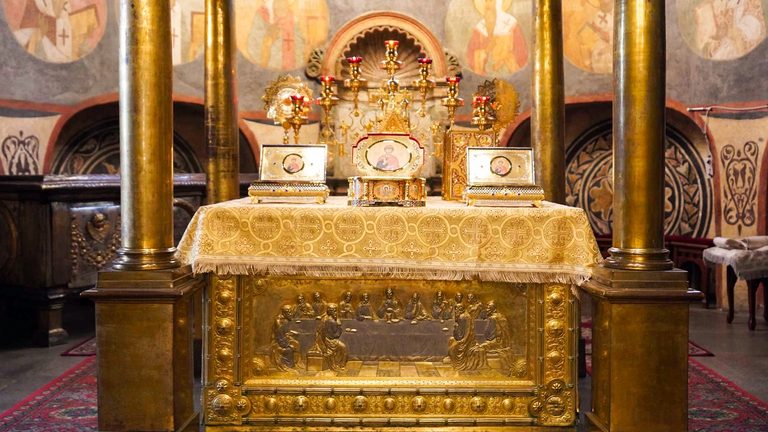
The sarcophagus containing the body of the prince, who inflicted a serious defeat on the Golden Horde and ushered in the revival of Old Russia, was discovered during the restoration of the floor of the Cathedral of the Archangel.
Discovery of the relics
It has been known since his death that Dmitry Donskoy was buried in the Cathedral of the Archangel. His final resting place is recorded in chronicles. However, the authenticity of his remains had not previously been confirmed. The discovery marked both the actual finding and the scientific confirmation of the authenticity of the relics of the Grand Prince of Moscow.
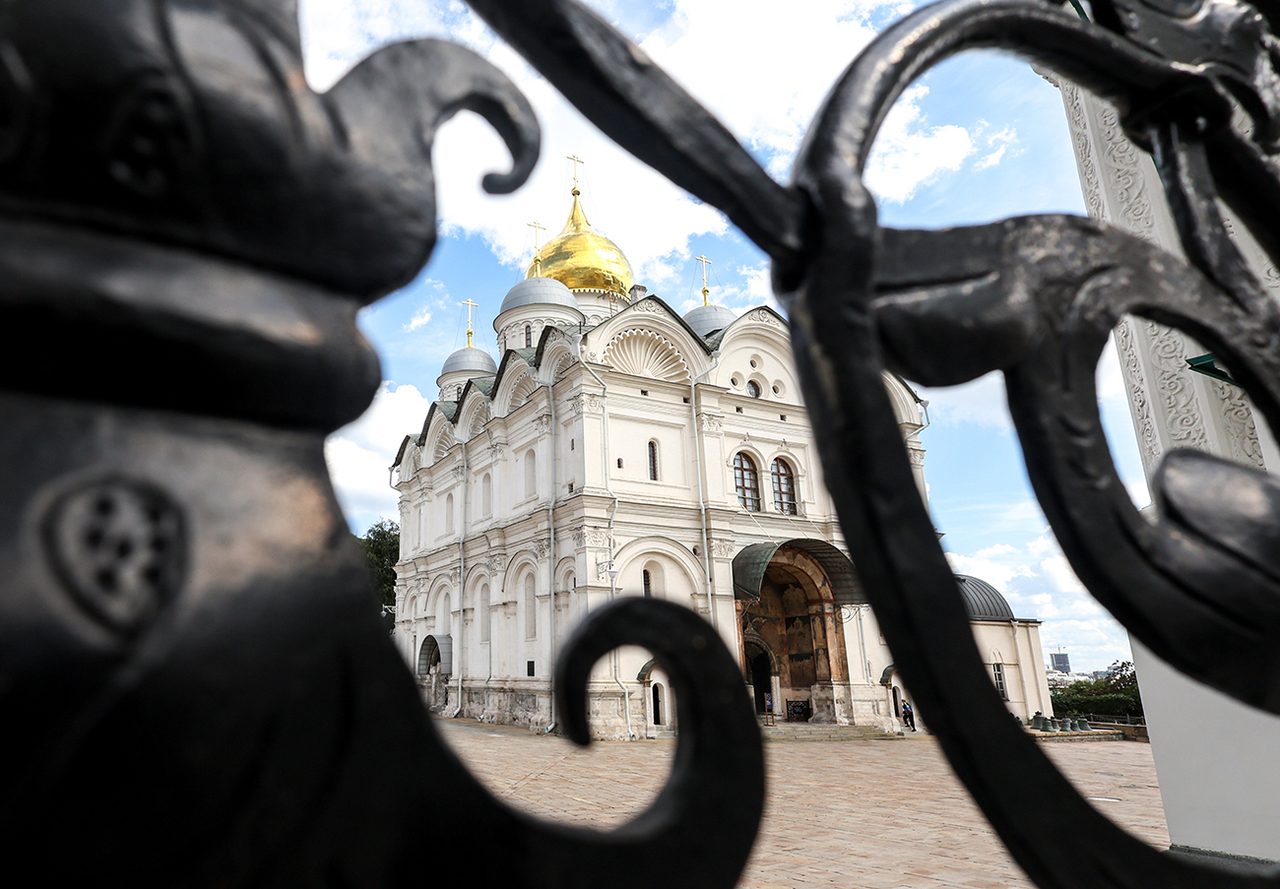 Archangel Cathedral of the Moscow Kremlin
During the scheduled restoration work on the Cathedral of the Archangel (due to sagging floor slabs), located within the Moscow Kremlin, the brick tombs of the crypt near the southern wall were dismantled. Beneath them, restorers discovered three solid white-stone sarcophagi. Besides Dmitry Donskoy, Grand Prince Ivan the Red, Donskoy's father, and Prince Dmitry Zhilka of Uglich are also buried there.
According to statements by representatives of the Russian Orthodox Church, Dmitry Donskoy's remains have been almost completely preserved. The only missing part is the left heel bone. The bones are noted to be well preserved and show no signs of postmortem damage.
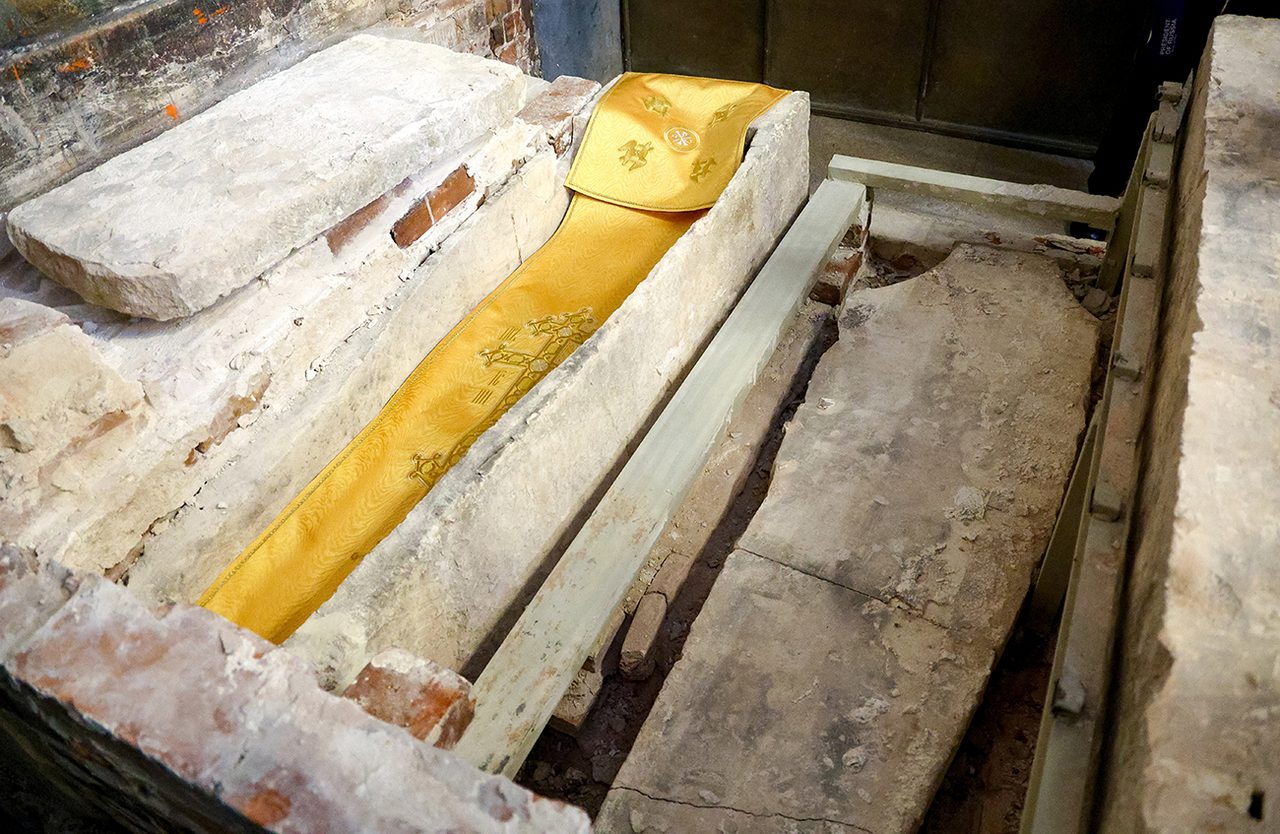 The sarcophagus containing the relics of the holy warrior prince Dmitry Donskoy in the Archangel Cathedral of the Moscow Kremlin
Experts have confirmed that the discovered remains belong to the Holy and Righteous Grand Prince Dmitry Donskoy.
Conqueror of the Horde & builder of the Moscow Kremlin
Prince Dmitry Donskoy lived in the second half of the 14th century (1350–1389). He entered Russian history through two major achievements: first, he inflicted a serious military defeat on the Golden Horde (the famous Battle of Kulikovo Field, depicted by many Russian artists) and, second, he strengthened the Principality of Moscow. For these reasons, he is revered both as a national hero and as a saint.
The Battle of Kulikovo near the Don River on September 8, 1380, is the most famous episode of his reign. It earned him the nickname ‘Donskoy’ (aka ‘of the Don’). Prince Dmitry united the forces of various Russian principalities and marched against the massive army of Mamai, the de facto ruler of the western part of the Golden Horde.
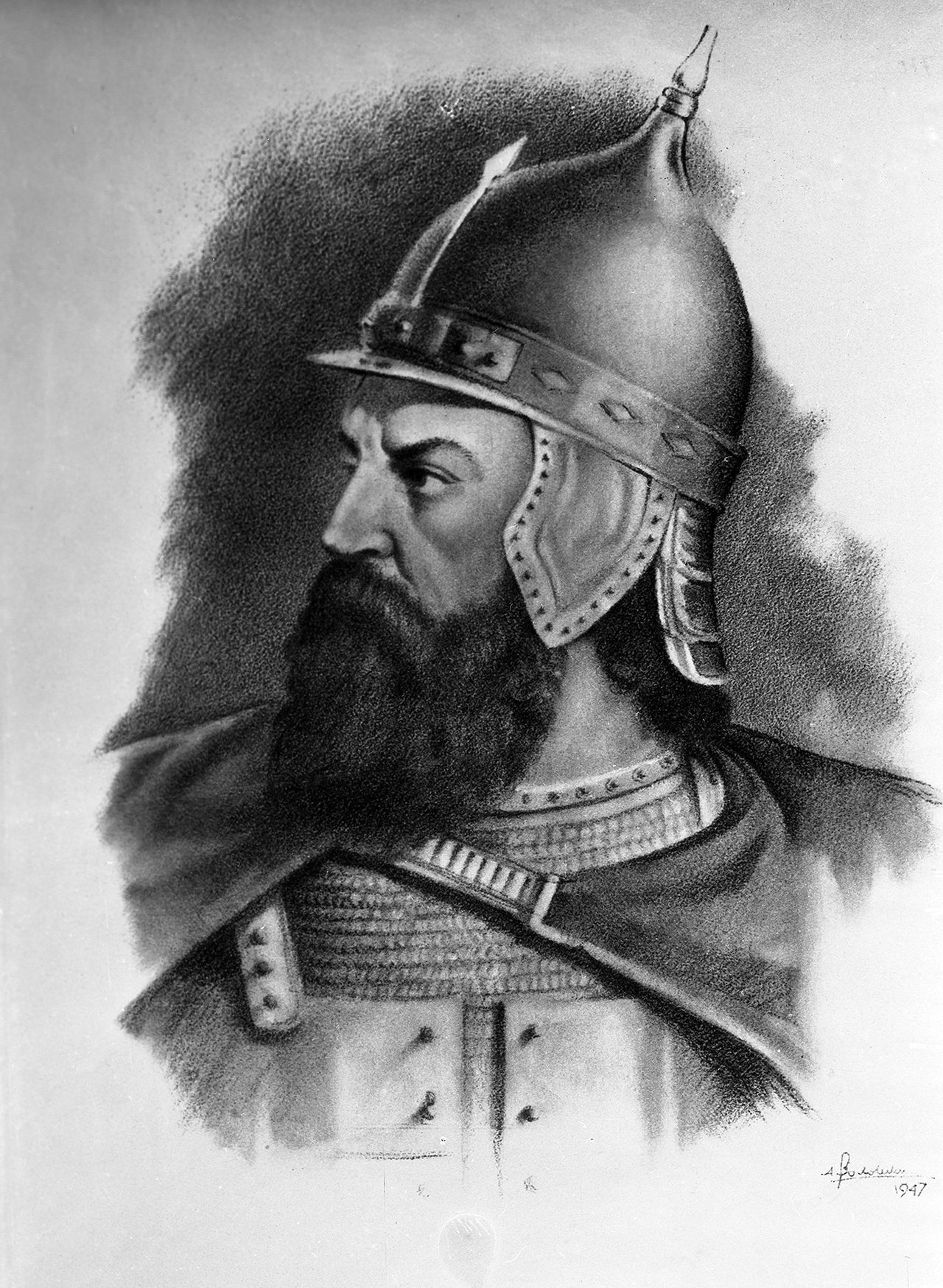 Dmitry I Ivanovich (1350 - 1389), nicknamed Donskoy for his victory in the Battle of Kulikovo
Legend has it that, before the battle, the prince received a blessing from the famous Saint Sergius of Radonezh. Ultimately, the Russian forces emerged victorious. Although this battle did not immediately lead to the immediate liberation of Russian lands from the Golden Horde's yoke (Moscow was burned by the Mongols two years later), it had significant moral importance. It demonstrated that the Horde could be defeated.
In addition to his fame as a military leader, Donskoy is remembered as a wise and far-sighted ruler. He significantly strengthened the Principality of Moscow. In 1367–1368, he replaced the wooden walls of the Moscow Kremlin with more durable white stone ones. This was the first stone fortress in northeastern Old Russia.
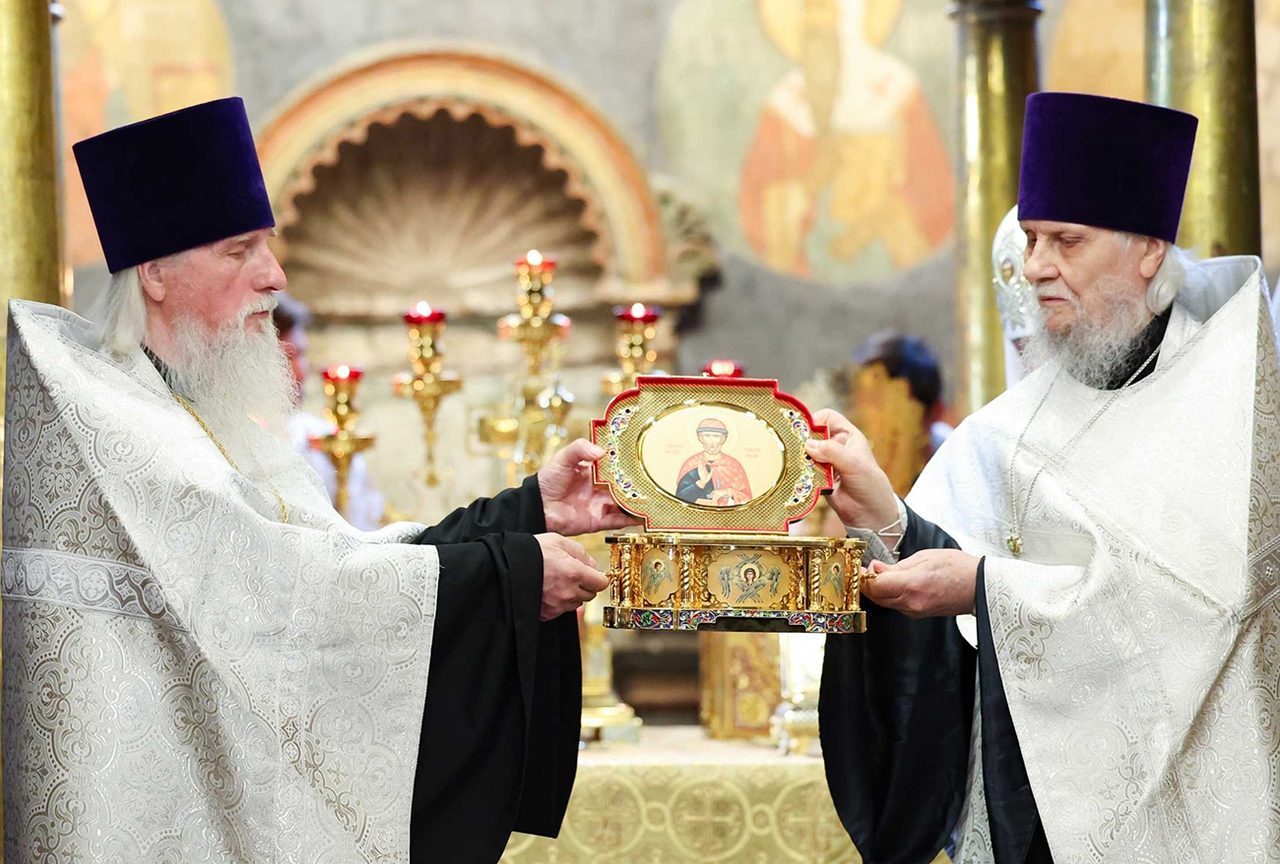 The relics of the blessed prince Dmitry Donskoy
He successfully expanded his territories, subjugating neighboring principalities (Rostov and Ryazan) and consolidating Moscow's authority and power. He was also the first of the Moscow princes to transfer the title of Grand Prince to his son (Vasili I) without the consent of the Khan of the Golden Horde. This was another important step toward independence.