
10 Classical Russian Choirs
Classicals, spiritual chants, folk and Cossack songs – these singing groups preserve the traditions of choral singing.
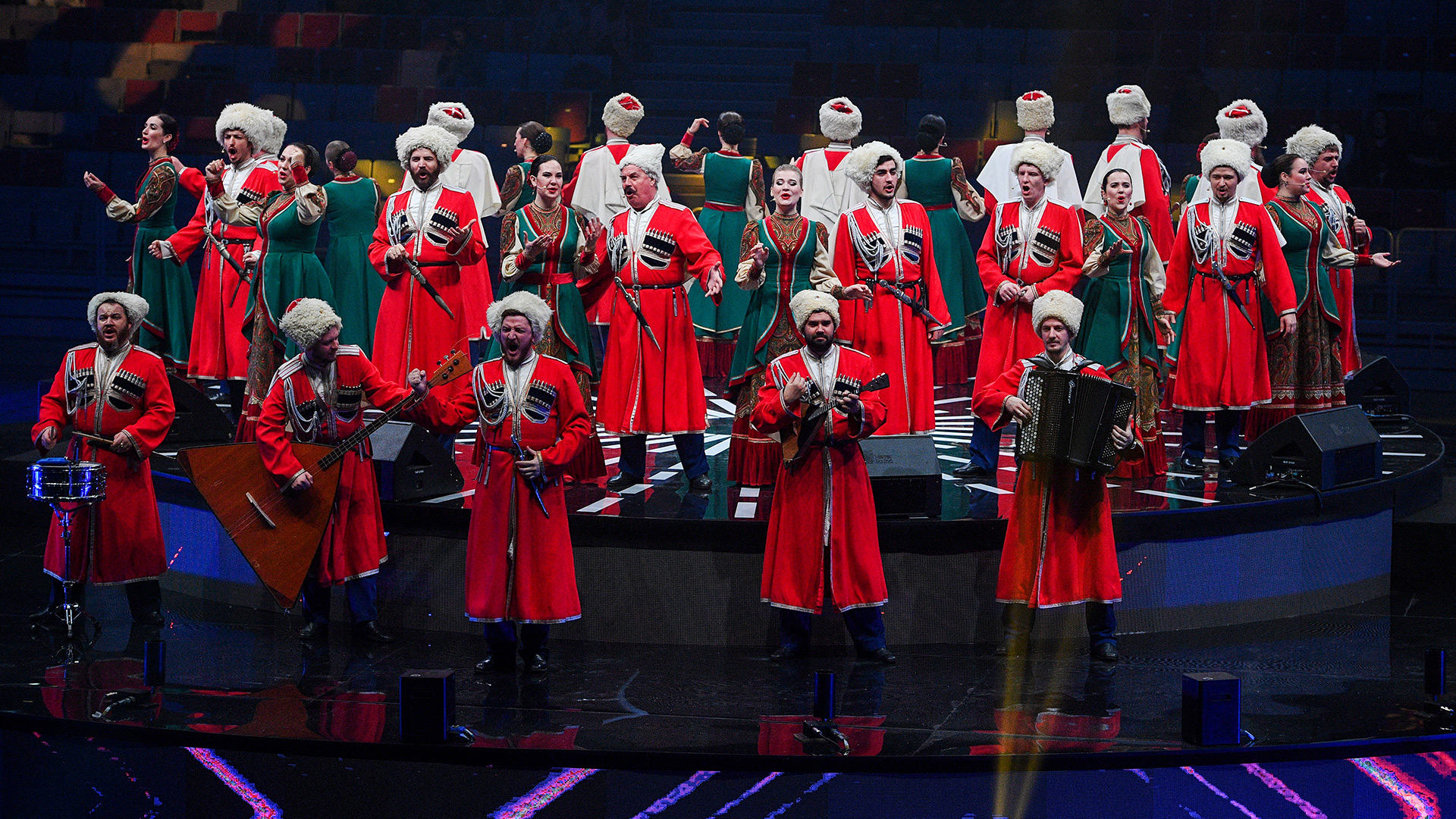
1. Kuban Cossack Choir
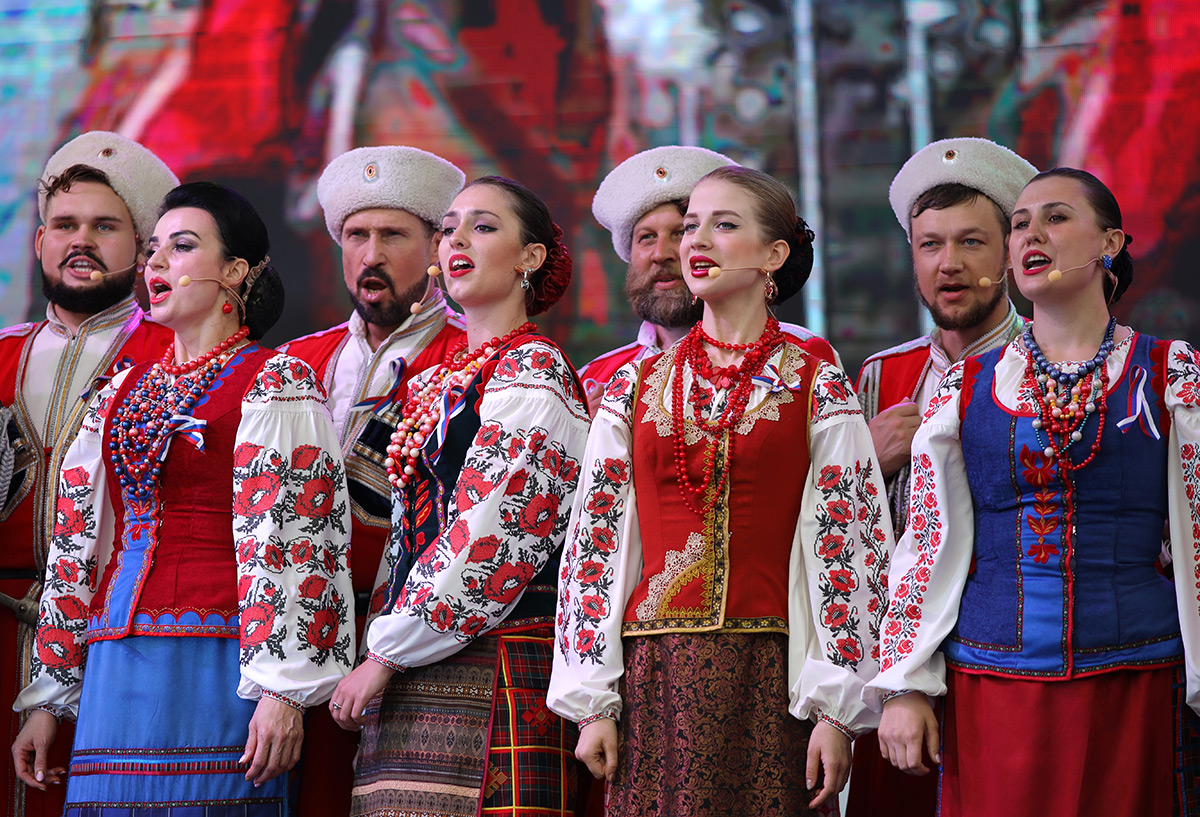
In its homeland of Krasnodar Territory, the choir is recognized as a cultural treasure. It's over 200 years old: the Black Sea Military Choir was founded in 1811 and, since 1936, it has borne its current name. Its repertoire is based on Cossack and folk songs, as well as original compositions created by artistic director Viktor Zakharchenko. It’s the only secular choir to have accompanied the Divine Liturgy at the Donskoy Monastery.
2. Sretensky Monastery Choir
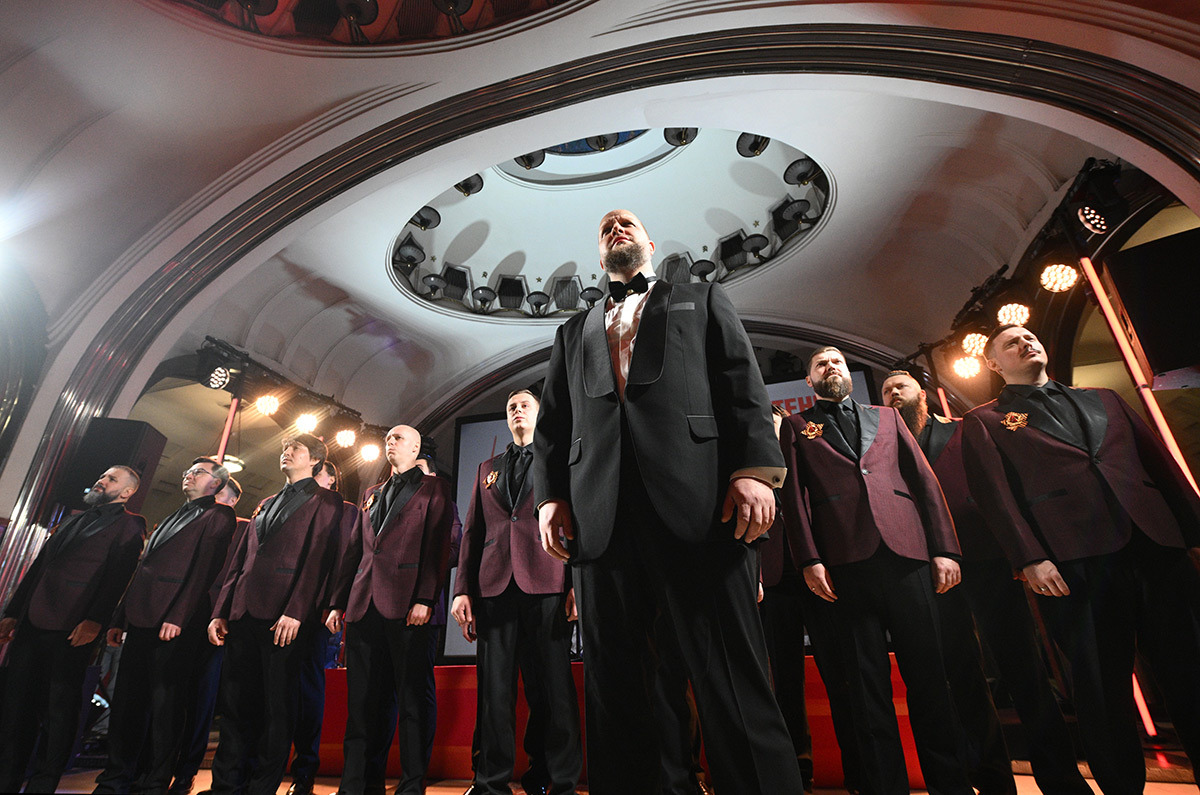
This ensemble is over 600 years old! It was founded at the same time as the monastery: it included monks, students from theological schools and parishioners. Today, the choir participates in festive services, sings at Saturday and Sunday services at the monastery and also performs solo concerts.
In addition to sacred works, its repertoire includes secular folk and Cossack songs. There is also contemporary music: For example, several years ago, the choir recorded several songs by the band ‘Lube’ for their tribute album.
3. Minin Choir
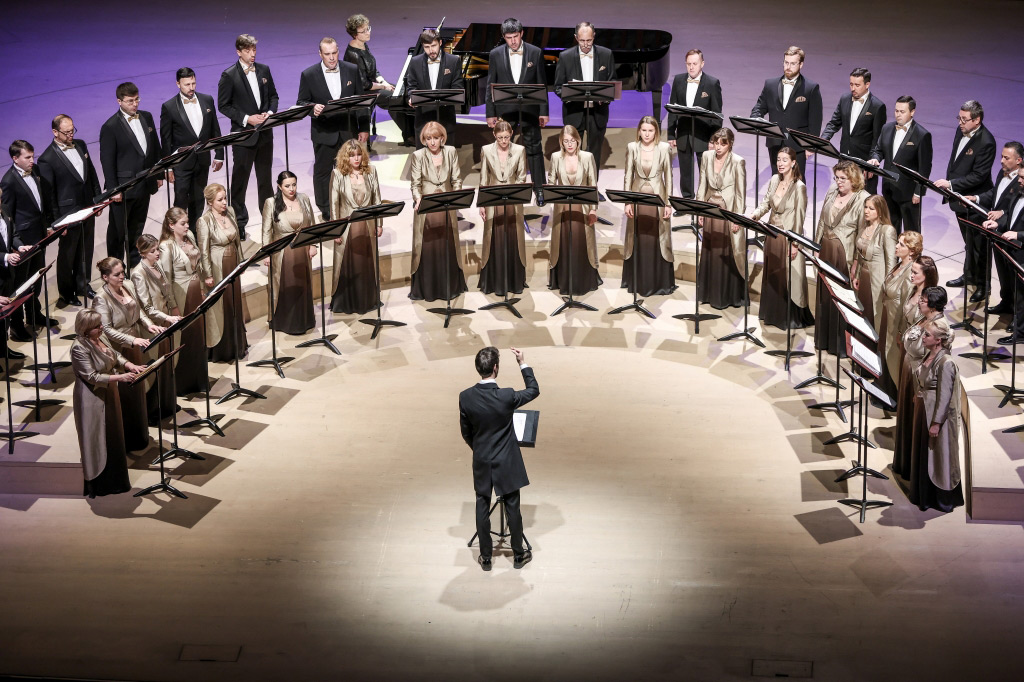
A brainchild of conductor Vladimir Minin, who led the choir for over 45 years. The repertoire includes Russian choral classics, sacred and baroque music, as well as crossovers. The choir's performance of Sergei Rachmaninoff's ‘All-Night Vigil’ is considered the gold standard.
4. Pyatnitsky Choir
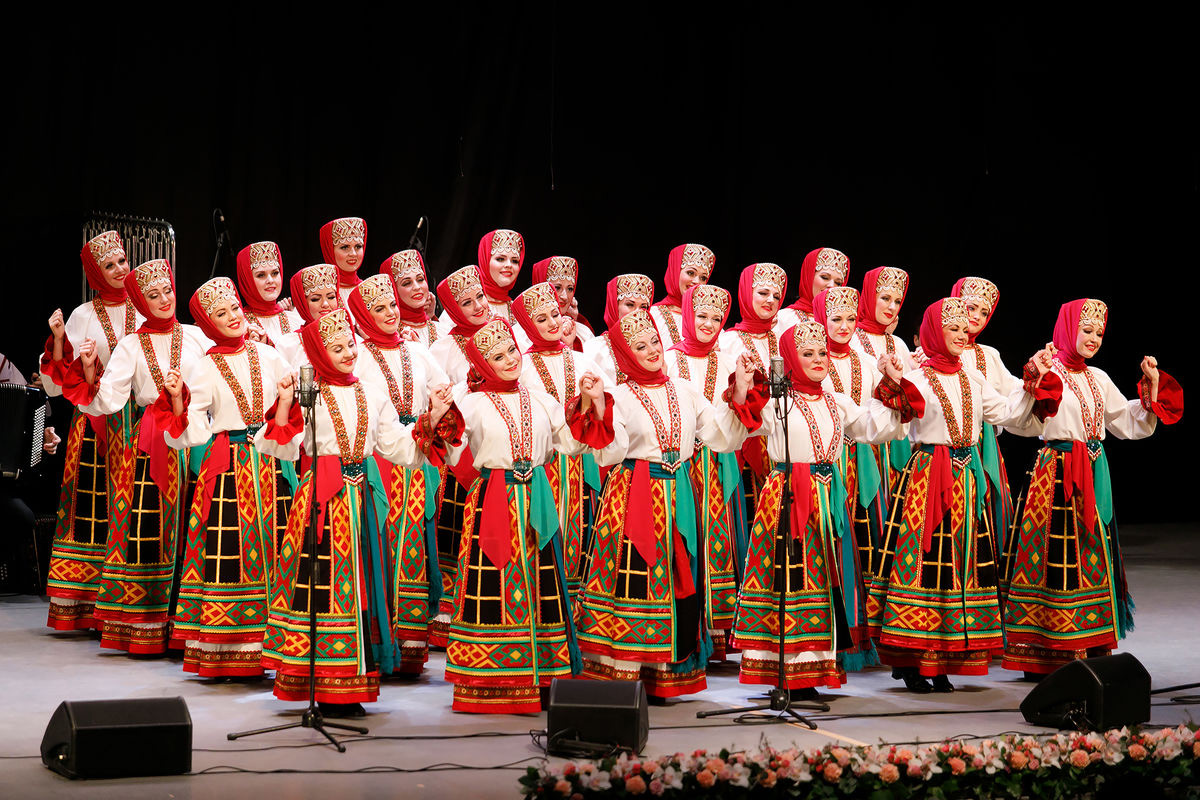
One of the oldest singing groups in Russia, founded in 1910. Ethnographer Mitrofan Pyatnitsky organized a peasant choir from the Voronezh, Smolensk and Kursk provinces.
The choir survived the 1917 Bolshevik Revolution and performed for soldiers at the front during the Great Patriotic War. In addition to folk songs, its repertoire now also includes original compositions. The choir performed in more than 40 countries, introducing all of them to Russian folk song, dance and music traditions.
5. Popov Grand Children's Choir
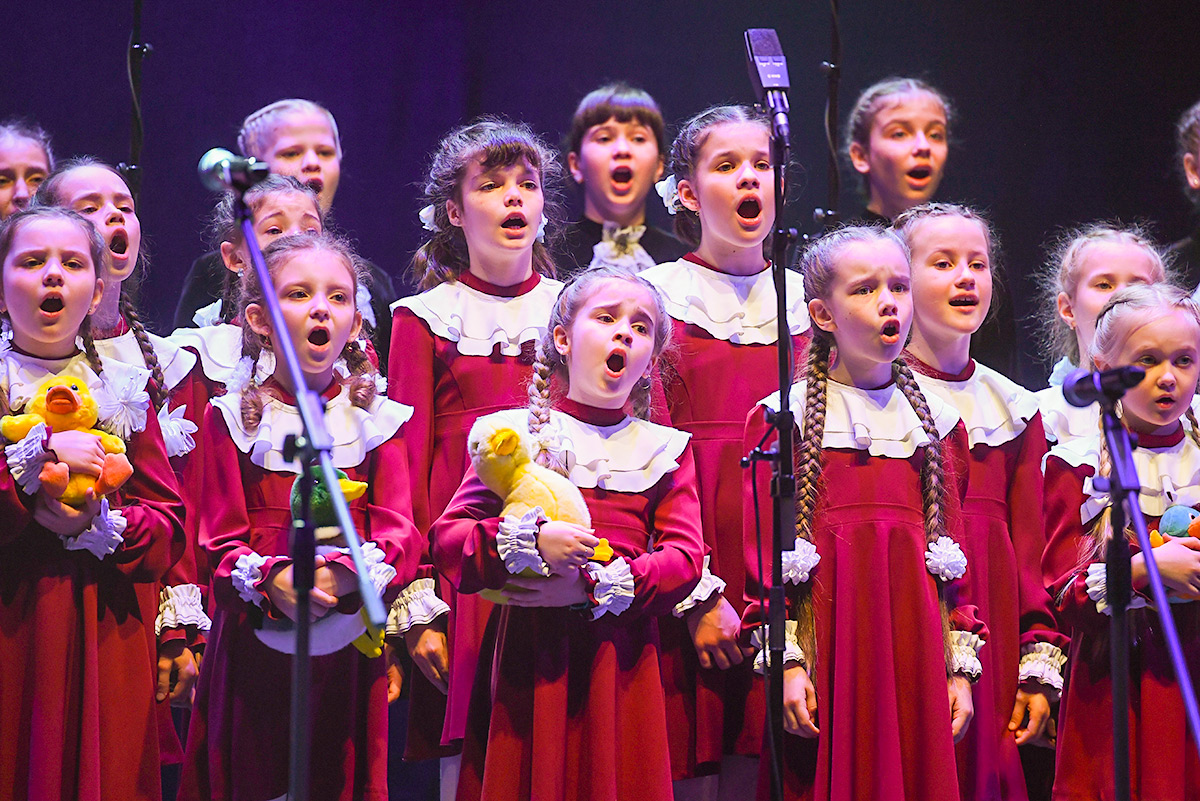
In 1970, conductor Vladimir Popov created the Grand Children's Choir of Central Television and All-Union Radio. In Soviet times, it was difficult to imagine a concert marking any official holiday without his participation.
The children performed songs by Soviet composers and compositions from children's and youth movies: their ‘Krylatye Kacheli’ (‘Winged Swings’) and ‘Prekrasnoe Daleko’ (‘Beautiful Faraway’) remain among the most beloved and recognizable to this day.
6. Choir of the Spaso-Evfimiev Monastery
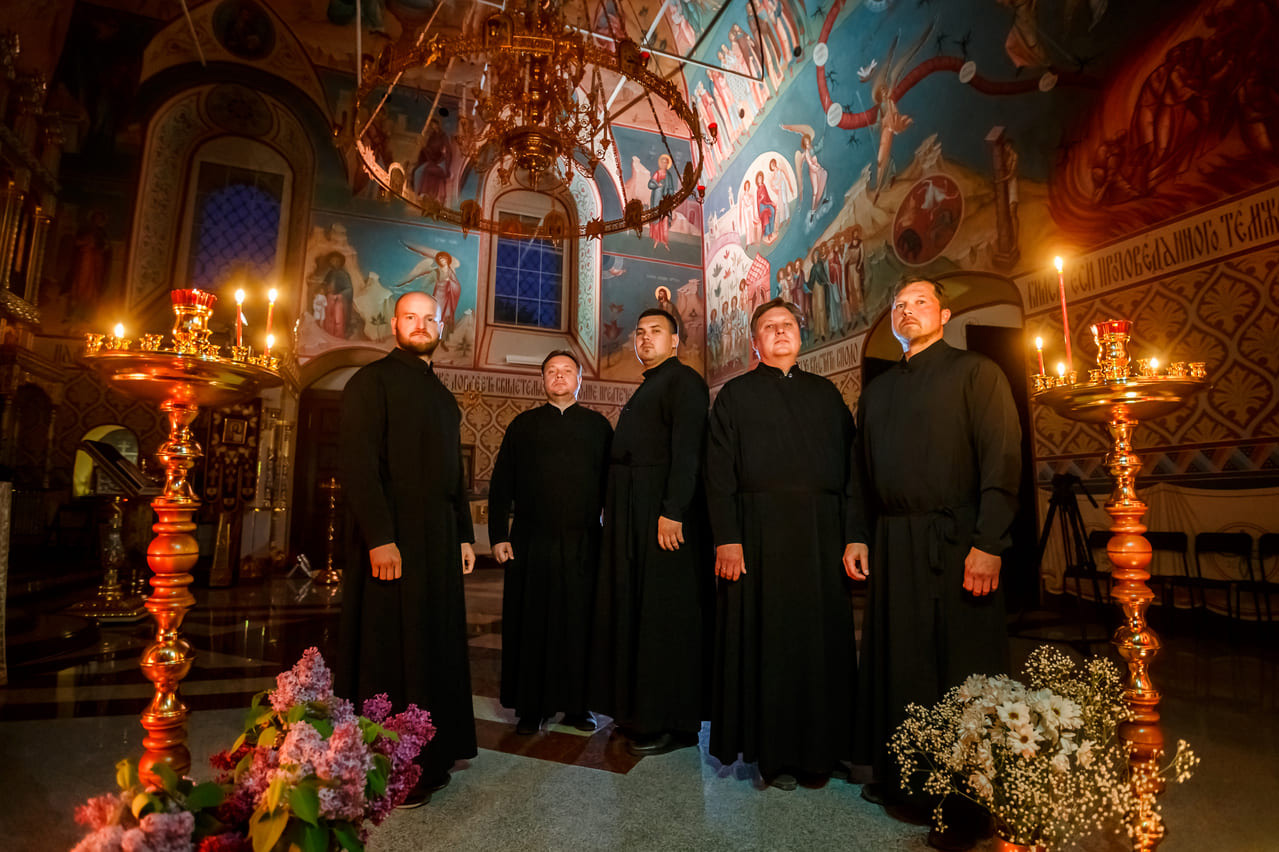
This choir, directed by Andrei Pakhomov, is one of Suzdal's landmarks. Believers hear their voices at services in the ancient Spaso-Evfimiev Monastery, but they are also known to the secular public for their performances in the city's churches.
They perform the ‘Singing Frescoes’ program of spiritual hymns in the Church of the Beheading of St. John the Baptist: in the deepening twilight, against the backdrop of specially illuminated ancient frescoes, the choir's voices sound especially expressive.
7. Bolshoi Theater Choir
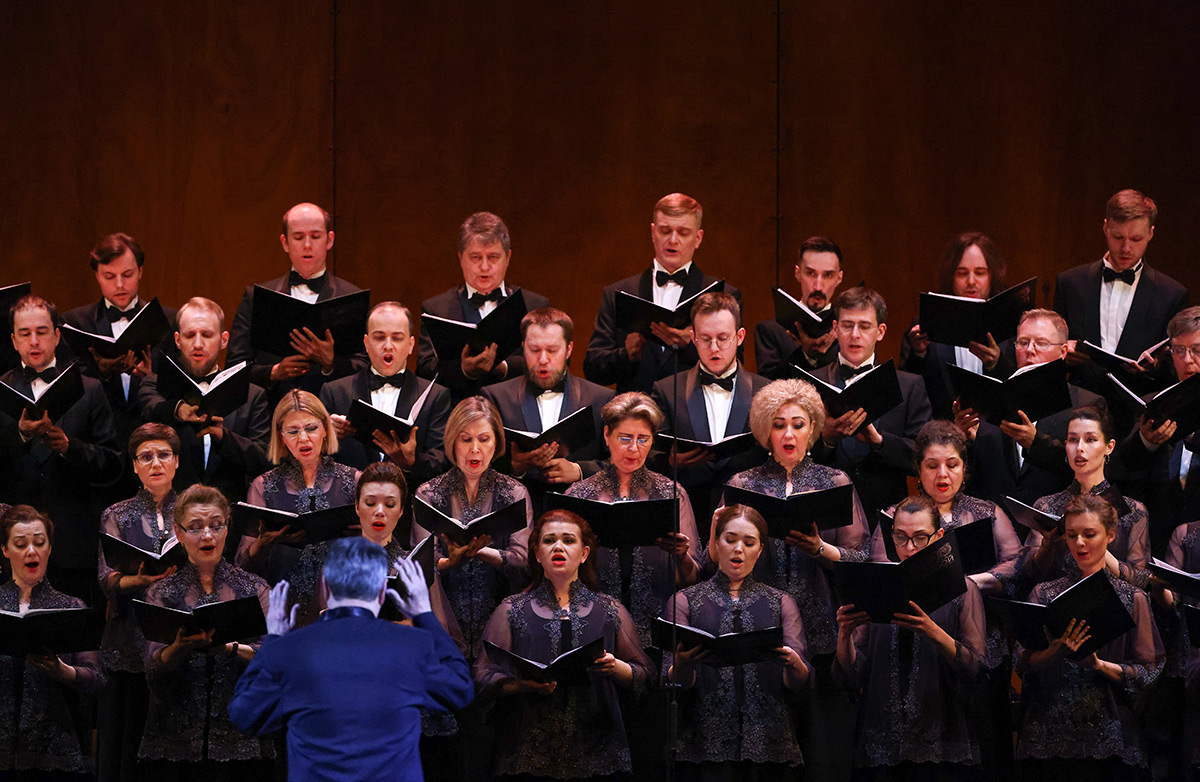
The astonished French press wrote about their performance that never before had the audience called for an encore during an opera… the choir! One of the oldest singing groups in the country was founded at the Petrovsky Theater in 1776. Before the Revolution, it not only accompanied opera productions at the Imperial Bolshoi Theater but also participated in Sergei Diaghilev's ‘Russian Seasons’.
During Soviet times, it participated in the opening ceremony of the 1980 Olympics and recorded the music for Sergei Bondarchuk's "War and Peace."
8. Moscow Synodal Choir
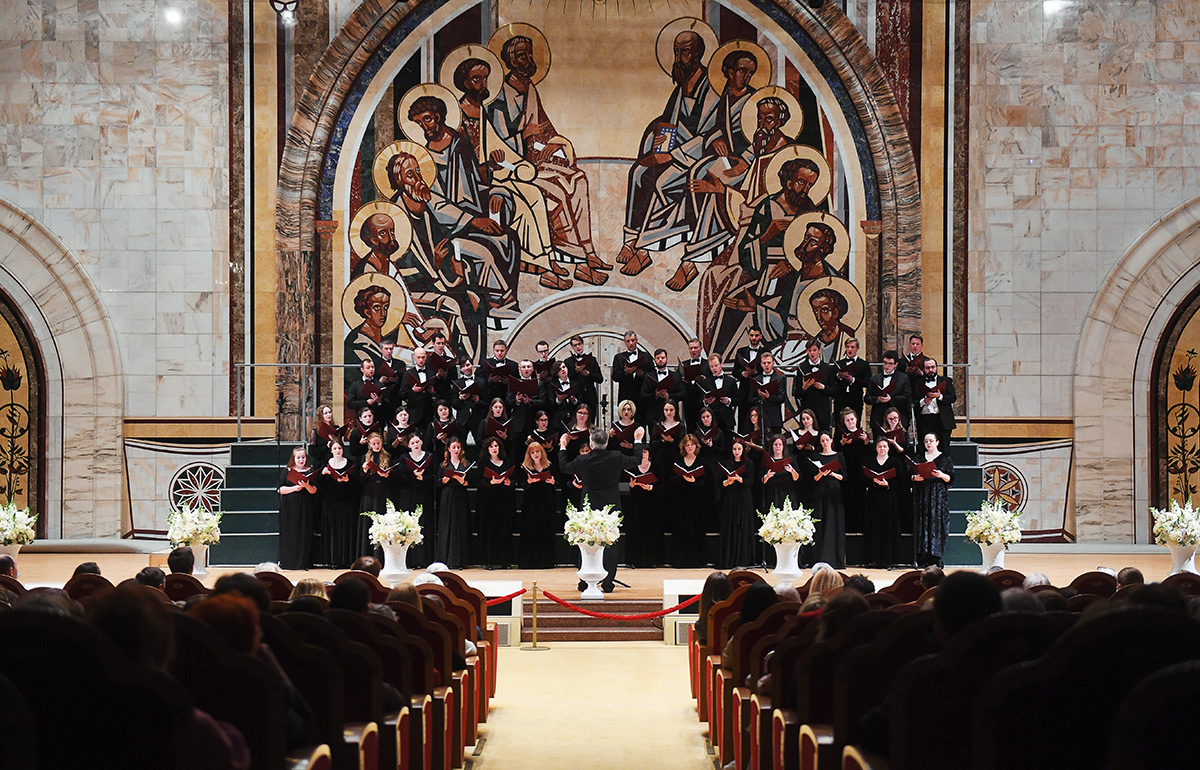
The choir's origins lie in the ancient tradition of metropolitan choirs, which existed until the end of the 16th century. Singing deacons participated not only in divine services, but also in important state ceremonies. The choir became a synodal choir in 1721, when the Synod, which governed the church, was established.
After the revolution, it was abolished, but, in 2010, it was decided to revive the choir. Like other spiritual choral groups, it participates in divine services at the Moscow Church of the Icon of the Mother of God ‘Joy of All Who Sorrow’ on Bolshaya Ordynka Street and performs concerts.
9. Yurlov Choir Chapel of Russia
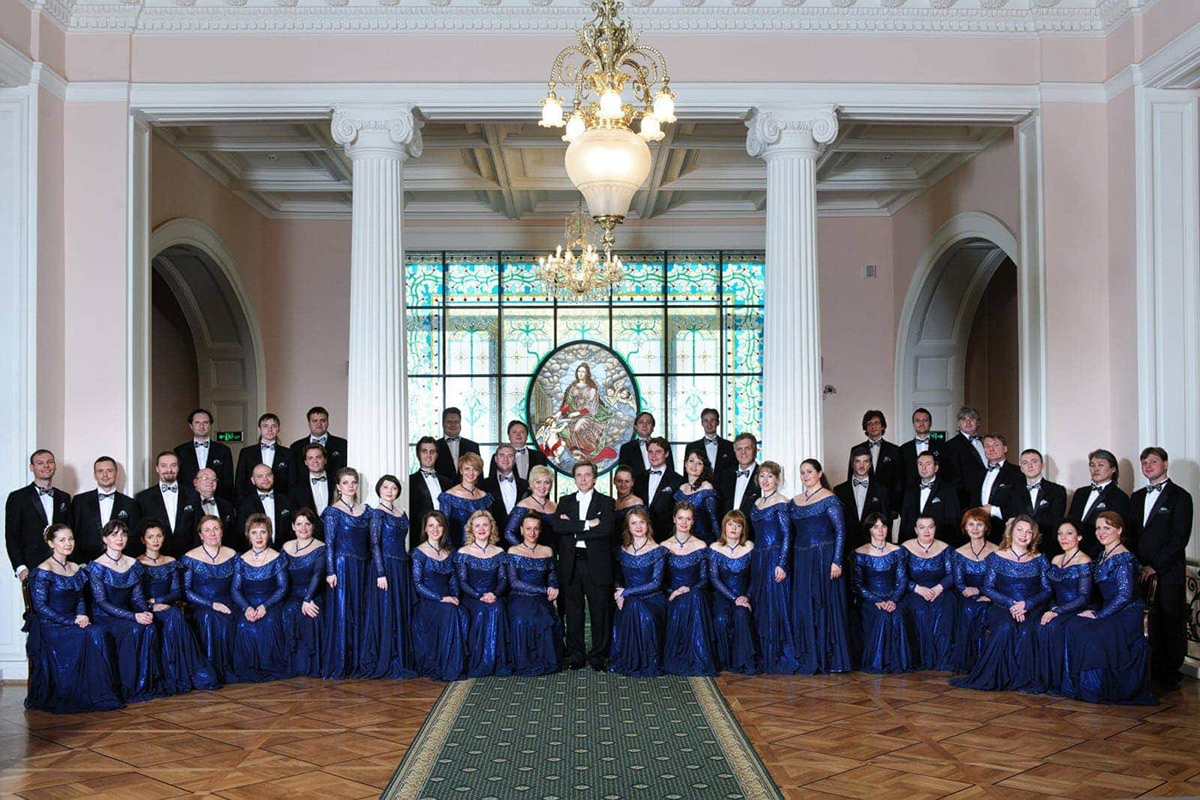
The choir is the successor to Ivan Yukhov’s choir, which was founded in 1900 in Shchyolkovo, near Moscow. It performed sacred music and, after the revolution, contributed to the soundtrack of the first Russian musical comedies. During the Soviet era, the ensemble was the first to perform works by Dmitry Shostakovich and Georgy Sviridov and was among the first to present a program of Russian sacred music abroad.
The choir's repertoire includes Russian folk songs, foreign and Russian classics. Today, the choir bears the name of Alexander Yurlov, who led it from 1958 to 1973.
10. St. Petersburg Singing Chapel
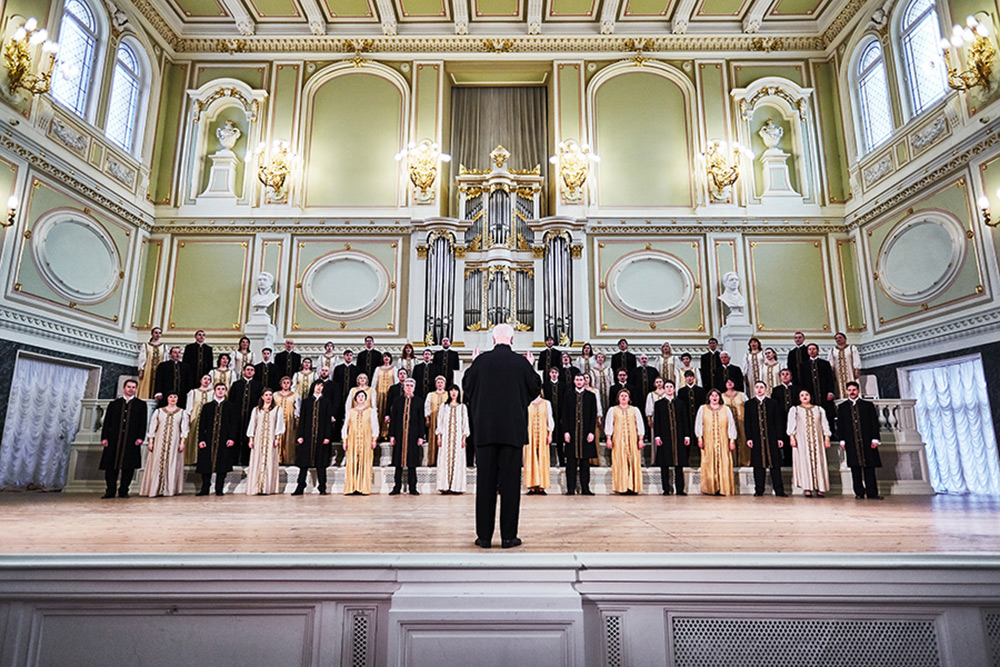
The choir of the tsar's choirmasters accompanied all important events at court. It sang at the celebrations marking the founding of St. Petersburg in 1703. Catherine the Great renamed it the ‘Court Choir’ in 1763. Composer Frederick Schumann praised it as the most beautiful choir he had ever heard.
Outstanding Russian composers wrote music specifically for the choir, including Mikhail Glinka, Nikolai Rimsky-Korsakov, Dmitry Bortnyansky and others. After the revolution, the choir began performing classical music, folk songs and songs about the revolution. It was only in the 1980s that sacred music returned to its repertoire.