

Who are the Tofalars, an ethnic people lost in the Sayan taiga (PHOTOS)
The memory of one of Russia's smallest ethnic groups might have been lost forever, if not for Emperor Nicholas II.
Even in Russia, few people have heard of this small indigenous people from Siberia. The Tofalars or as they were formerly called, the Karagas, belong to the Turkic group and live in remote areas of the Sayan Mountains.
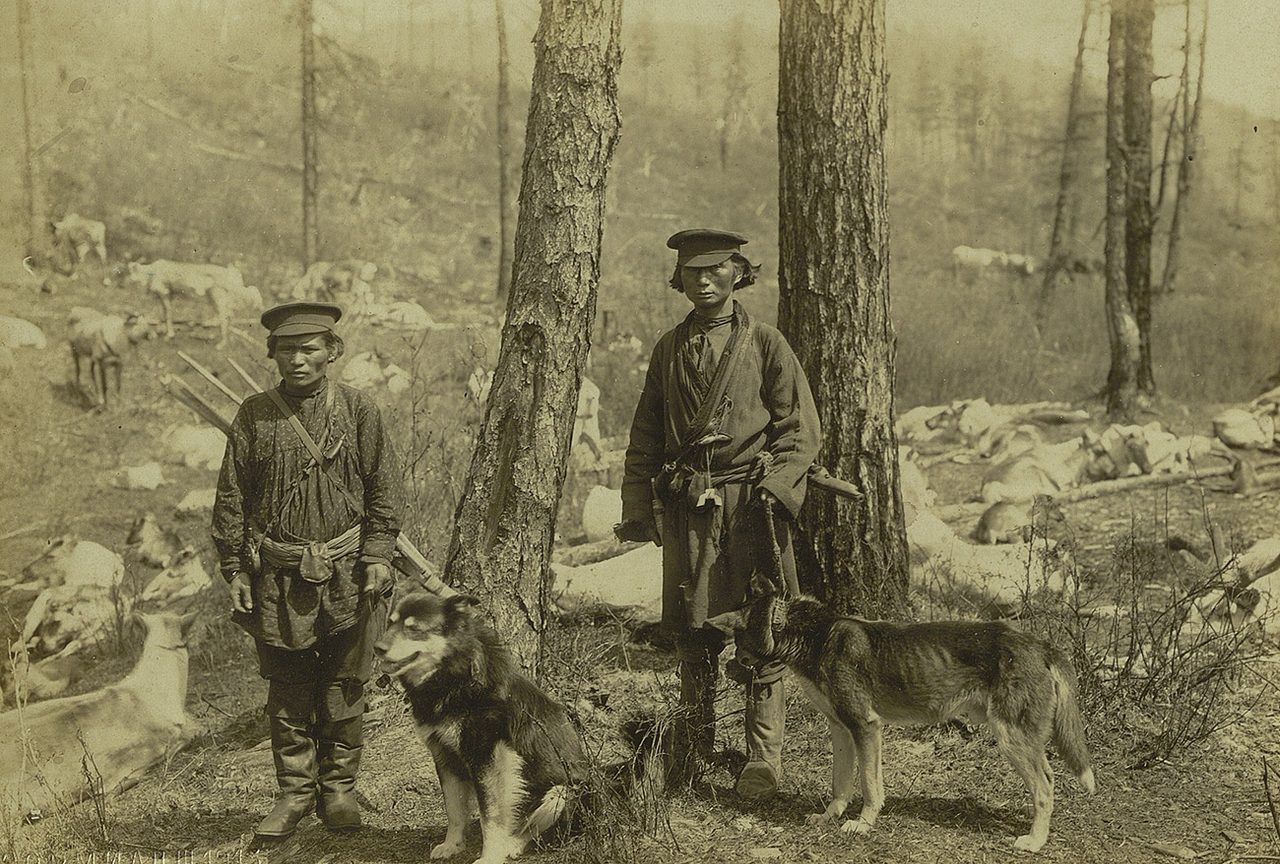 Hunters
The area of their residence is commonly referred to as Tofalaria, although, for some time in the 1940s, there even existed an administrative unit, the Tofalar National District of Irkutsk Region.
This ethnic group has been around since the 5th century, paying tribute to China and other Asian empires. And, from the 17th century, their lands became part of Old Russia. Then, the Tofalars began paying tribute to the Russian Tsar in furs.
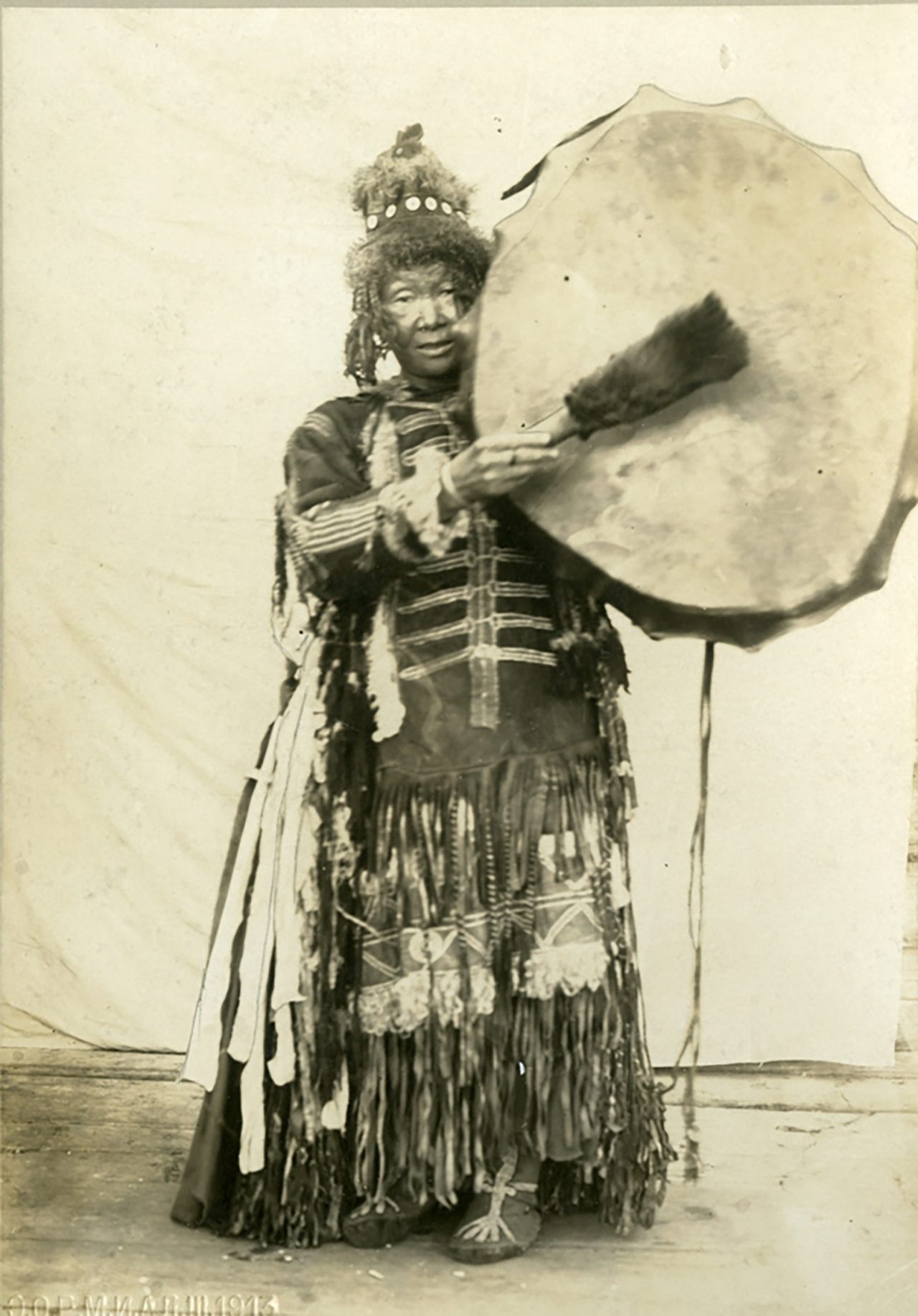 A shamaness in a ritual costume with a tambourine
The number of Tofalars has always been small, often with no more than 400-500 individuals at any given time. Even today, there are fewer than 1,000. They were engaged in the rarest form of mountain-taiga pack and saddle reindeer herding, roaming the Sayans Mountains, while their reindeer would carry loads along narrow paths on which no horse could pass.
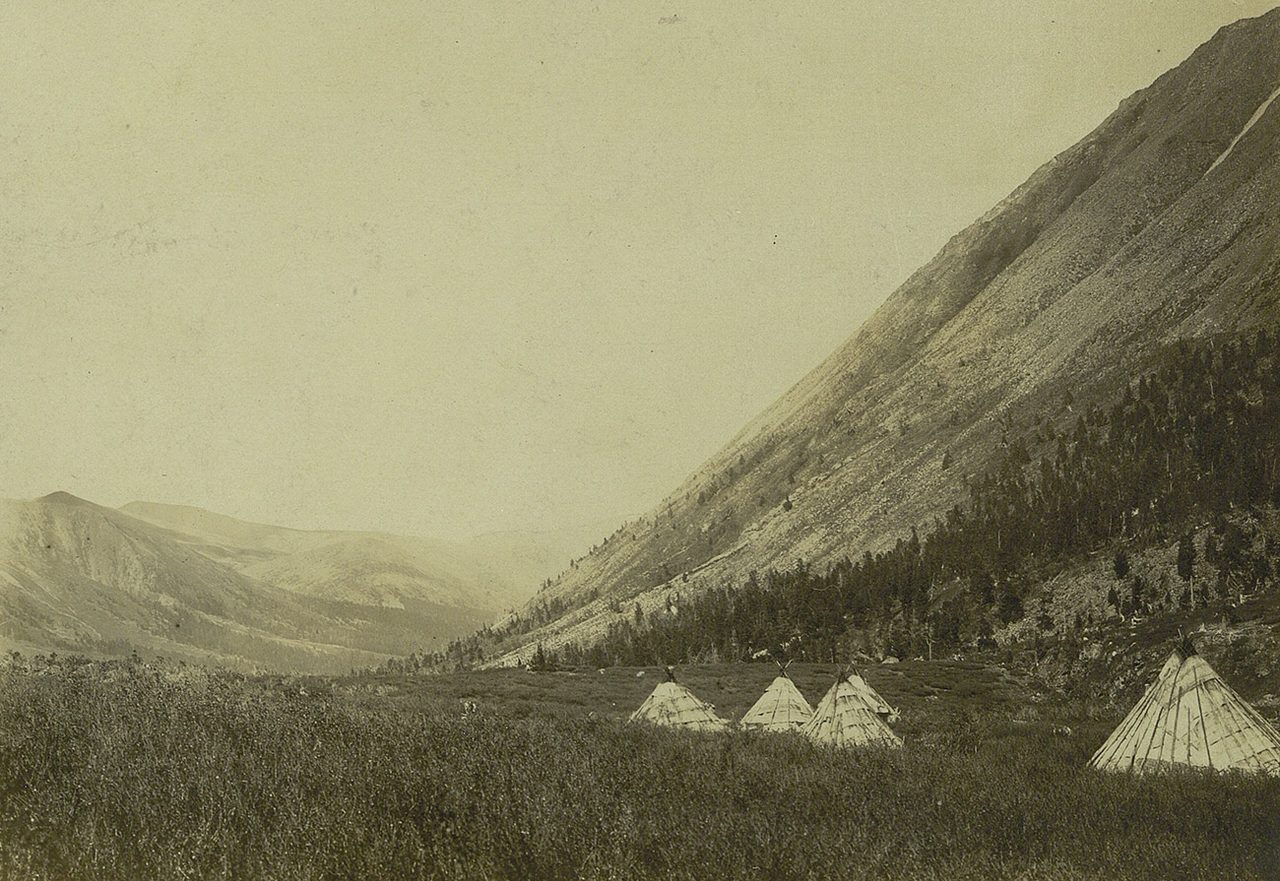 Tofalars’ temporary settlement
After the 1917 Bolshevik Revolution, the Soviet government obliged the Tofalars to adopt a more settled way of life and, with this, they practically lost their unique livelihood.
Due to the remoteness of their settlements and the small population size, still very little is known about the Tofalars.
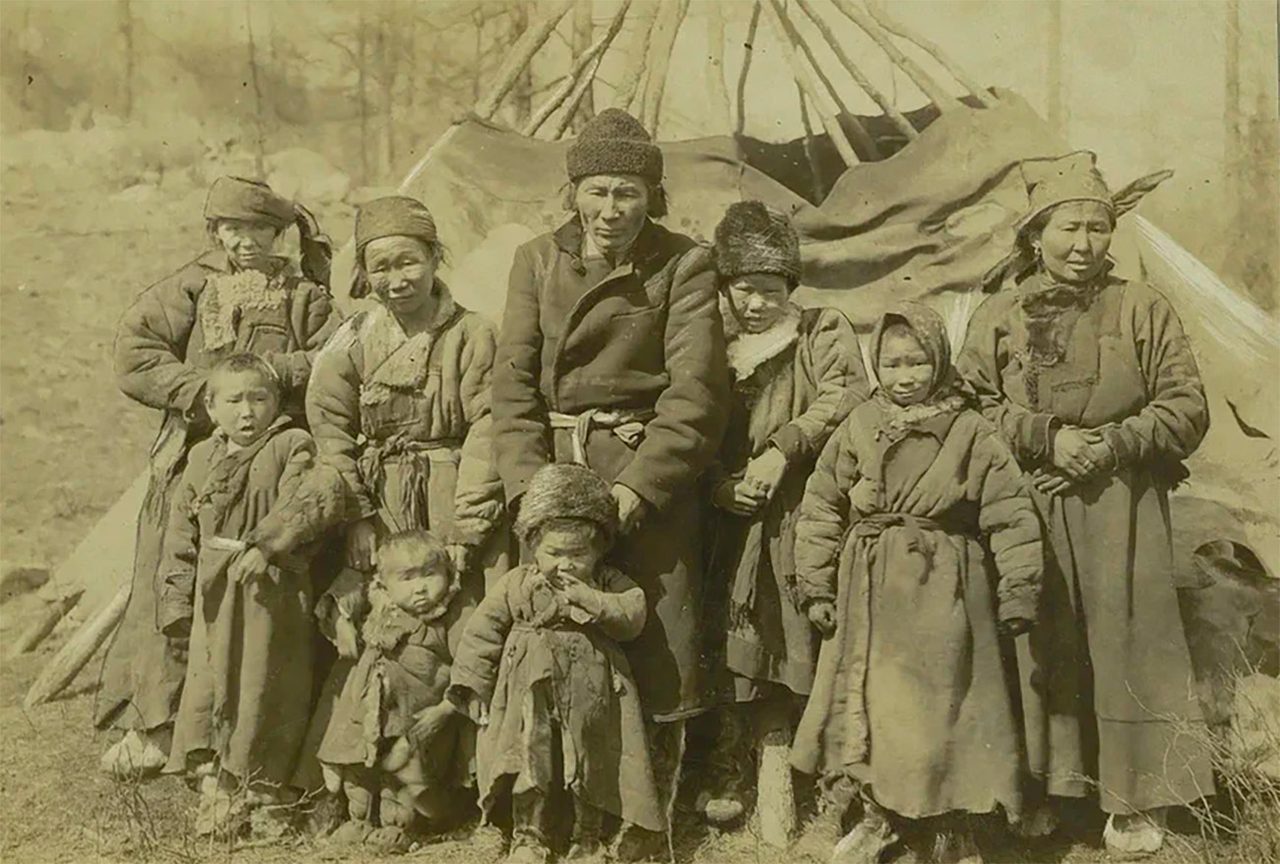 Men and women with children pose next to their teepee
In 1908, an ethnographer named Viktor Vasilyev set off on an expedition to Tuva and Tofalaria and brought back utensils, hunting tools, costumes and attributes of shamanic worship.
His priceless exhibits were purchased by Nicholas II for the Russian Ethnographic Museum in St. Petersburg and, today, this is the only systematic collection focused on the Tofalars.
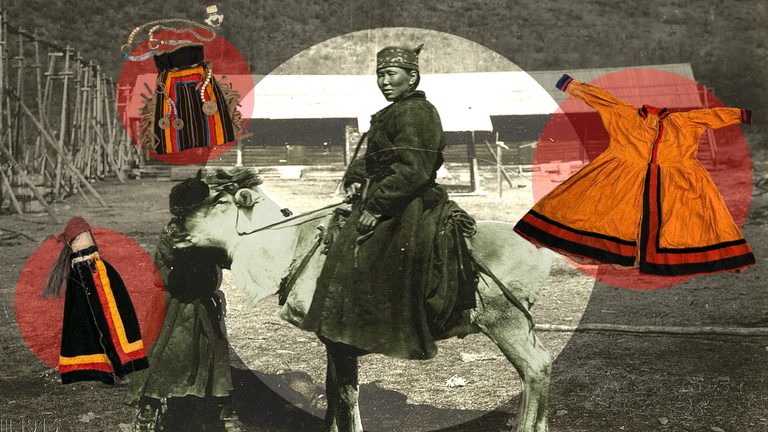
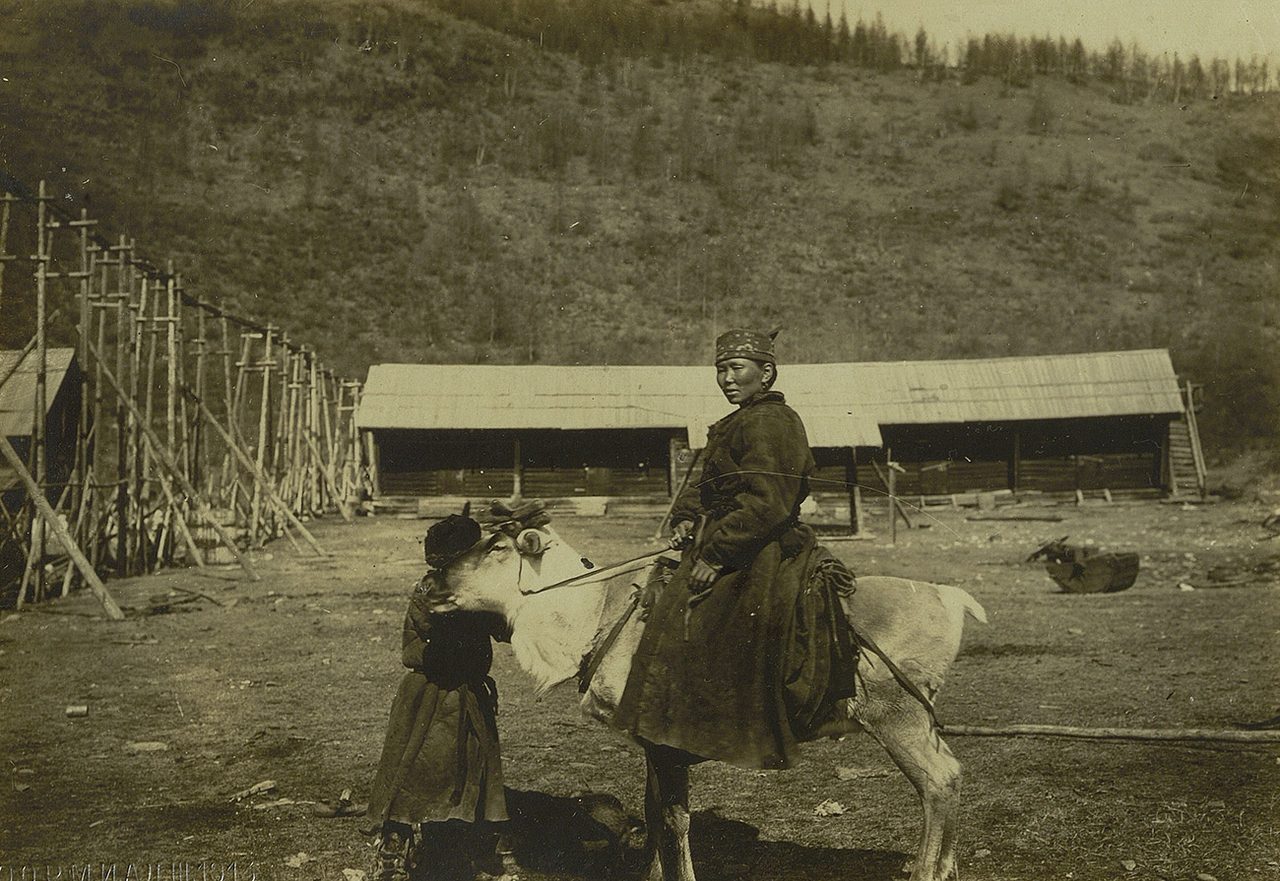 Tofalar woman riding a deer
You can learn more about the way of life of this ethnic group in the ‘Tofalars. Lost in the Sayans’ exhibition at the Russian Museum of Ethnography in St. Petersburg until the end of January, 2026.