
What was going on in Russia when the era of Louis XIV, the ‘Sun King’, ended?
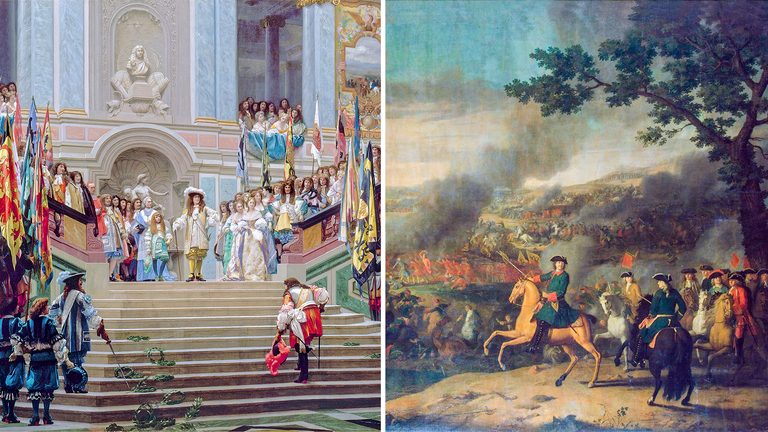
While France was consolidating its position among the great powers of Europe, Russia was trying with all its might to join them.
"I am the state!" declared Louis XIV. During his reign, absolutism in France reached its apogee, its army was considered one of the strongest in the world and the beauty and elegance of Versailles was the envy of all the monarchs of Europe.
The era of the ‘Sun King’ lasted 72 years and ended on September 1, 1715. The monarch died from gangrene in his leg, which he injured in a fall from a horse and categorically refused to have it amputated.
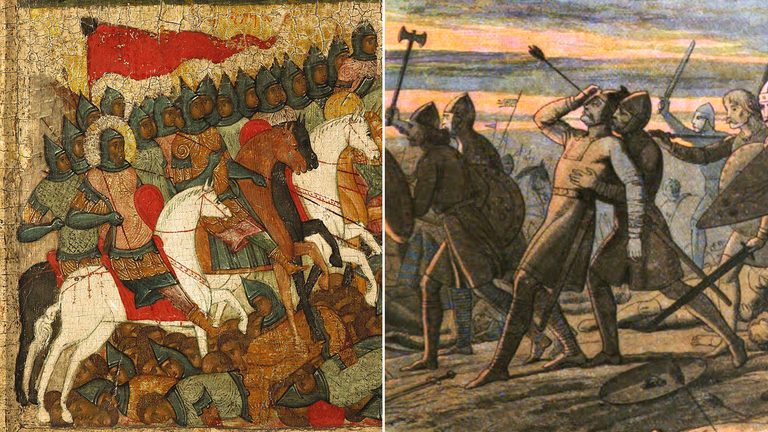
At this time, the Russian throne was occupied by Peter I, who had already been waging the difficult Northern War against Sweden for 15 years. After the triumph at Poltava in 1709, the scales tipped in favor of the Russian army – it managed to occupy the Swedish Baltics and was now operating as far north as southern Finland.
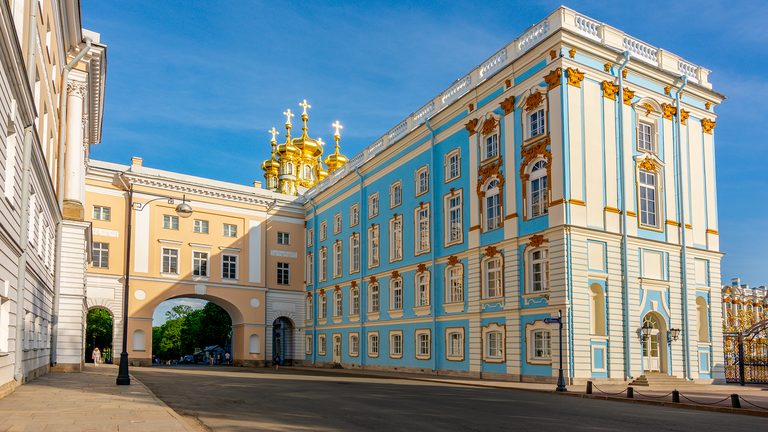
These victories would have been impossible without the monarch's profound modernization of the army. Peter, in turn, created a regular navy virtually from scratch. In the year of Louis's death, Russia's first Naval Academy opened in St. Petersburg.
Also at this time, reforms of the public administration, finance, judicial and ecclesiastical systems were in full swing, while trade and industry were also being improved. All these large-scale transformations enabled Russia to emerge victorious from the Northern War in 1721, proclaim itself an empire and become one of the great powers of Europe.