A VISUAL history of 20th-century Russia (PICS)
From the First Russian Revolution to the collapse of the USSR and the birth of modern Russia.
1. Wojciech Kossak. ‘Bloody Sunday’, 1905
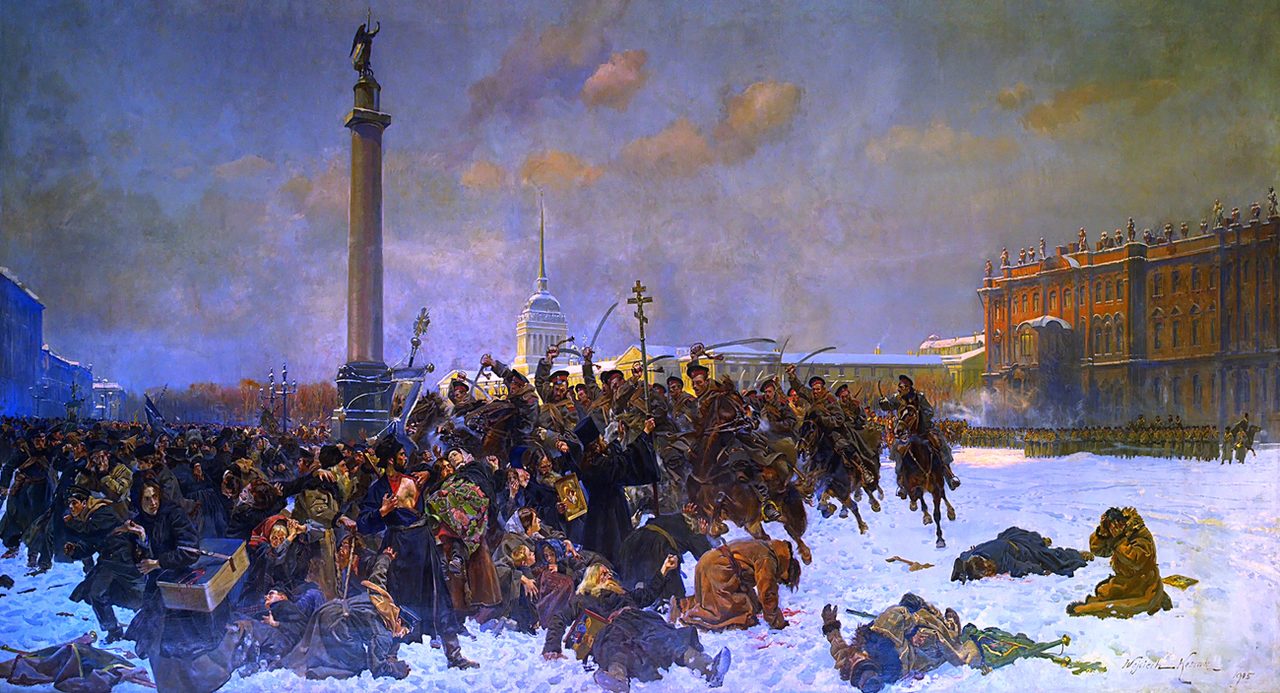
The early 20th century was a time of severe trials for the Russian Empire. Economic problems, social tensions, a lack of political freedom and defeat in the Russo-Japanese war in 1904-1905 led to the First Russian Revolution. Its catalyst was the brutal suppression of a peaceful workers' demonstration on January 22, 1905, which resulted in dozens of deaths. This event went down in history as ‘Bloody Sunday’.
Unrest, riots and disorder engulfed the entire country and revolutionary terror intensified. Ultimately, authorities were forced to make concessions. Among other things, the State Duma was established, trade unions were legalized and working conditions for workers were improved.
2. Kuzma Petrov-Vodkin. ‘In the Line of Fire’, 1916
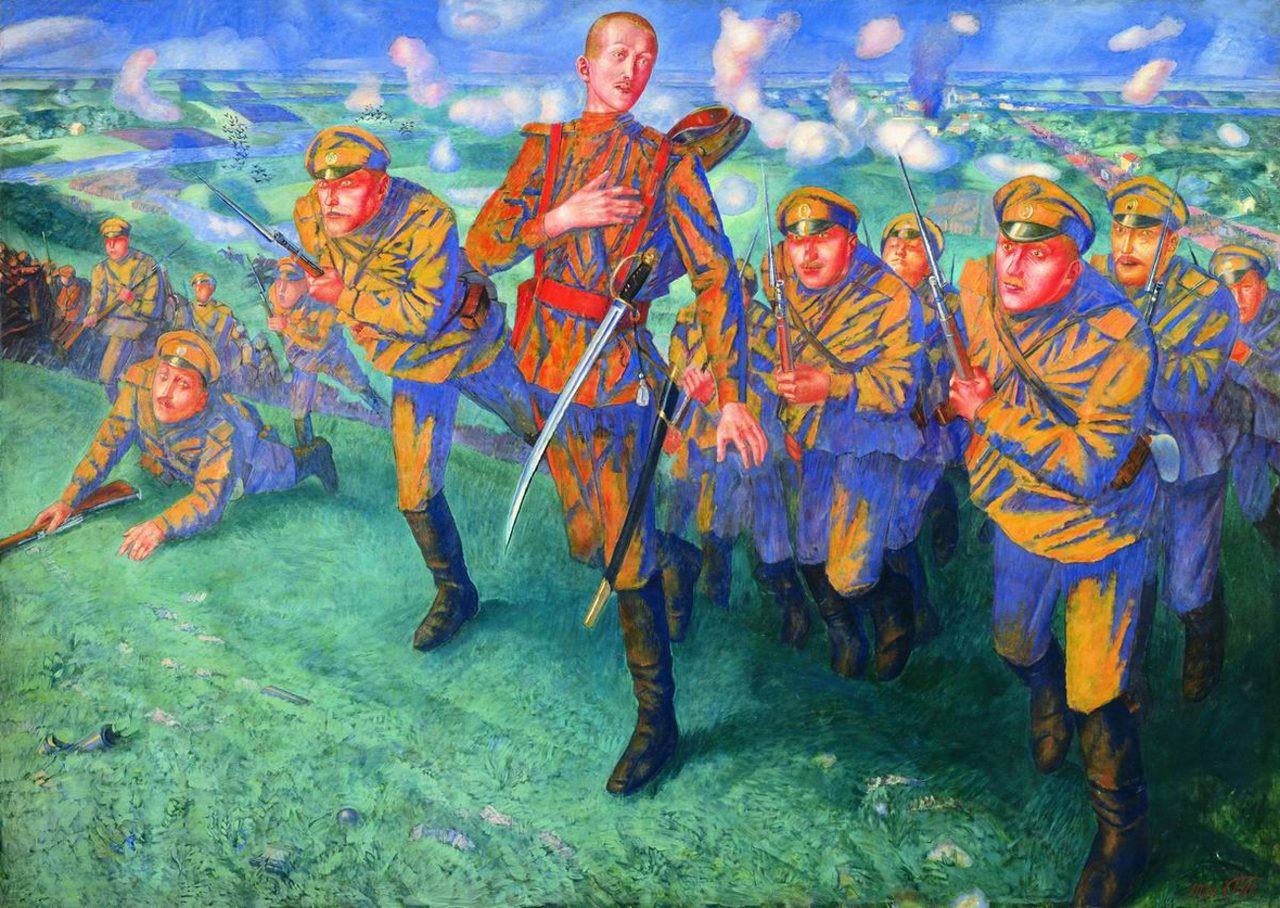
When Russia entered the war against Germany and Austria-Hungary in Summer 1914, the government and society expected a quick and brilliant victory. Instead, they faced a protracted trench war with enormous losses and a catastrophic drain on resources. In early 1917, public war fatigue and growing economic problems culminated in the February Revolution – the overthrow of Nicholas II and the end of the three-century-long reign of the House of Romanov.
3. Vladimir Serov. ‘V. I. Lenin Proclaims Soviet Power’, 1962
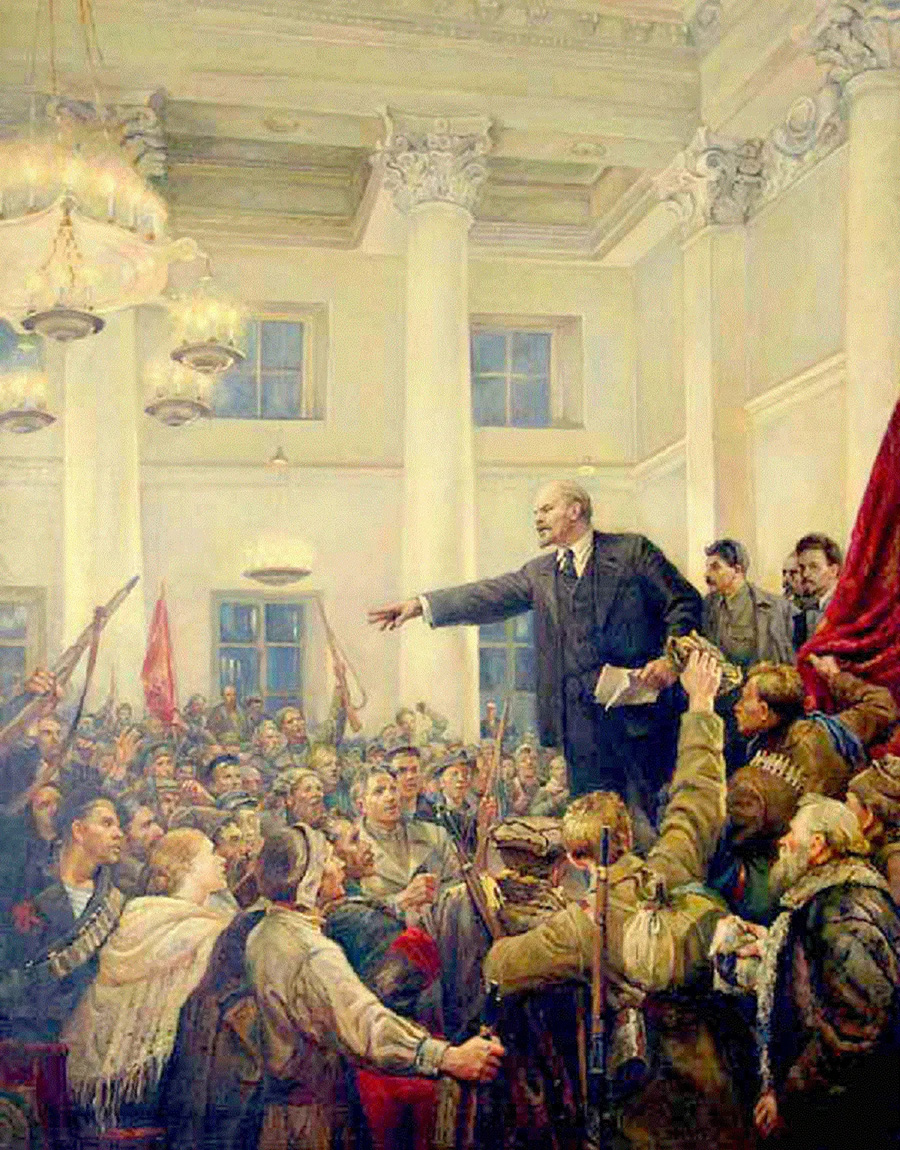
After the overthrow of the monarchy, Russia was proclaimed a republic. The Provisional Government, having taken the helm, embarked on a sweeping, but not always well-thought-out, dismantling of the old order – the democratization of the army had particularly devastating consequences. However, the most critical issues regarding land reform and the country's withdrawal from World War I remained unresolved. The Bolsheviks then took advantage of the government's weakness and indecision, overthrowing it in an armed coup on November 8, 1917. Then, Civil War broke out in Russia.
4. Yuri Pimenov. ‘Give Us Heavy Industry!’, 1927
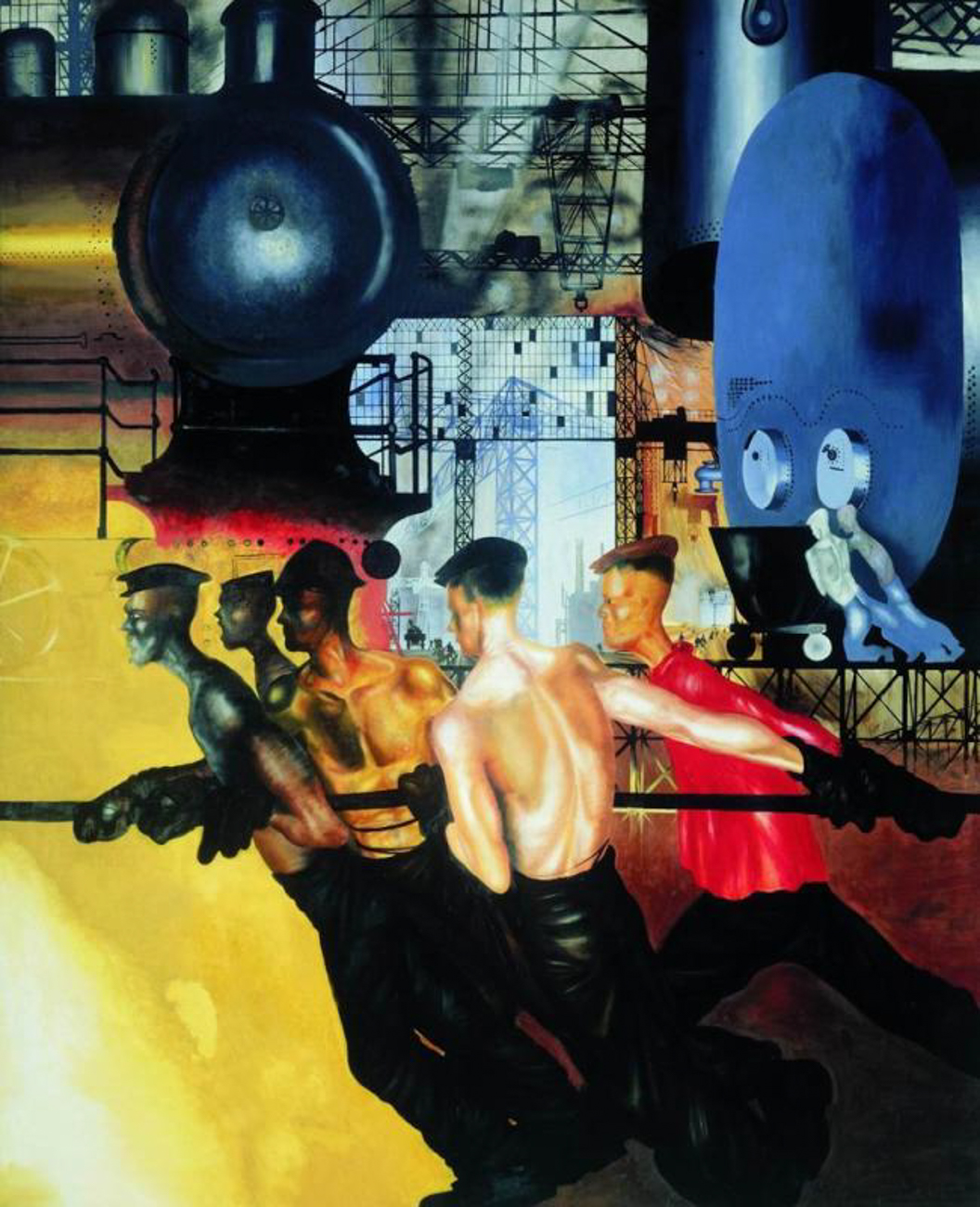
By the mid-1920s, the Bolsheviks had suppressed counterrevolutionary movements within the country, but they continued to operate “in a hostile capitalist environment”. To overcome the economic lag behind Western countries and create a powerful military-industrial complex, the USSR began accelerated industrialization.
The economic crisis in the United States allowed Moscow to purchase equipment cheaply there and attract skilled specialists, such as the company of American industrial architect Albert Kahn. With his help, more than 500 industrial facilities were built in the USSR between 1929 and 1932 alone.
5. Pyotr Maltsev. ‘Meeting the Heroic Crew’, 1938
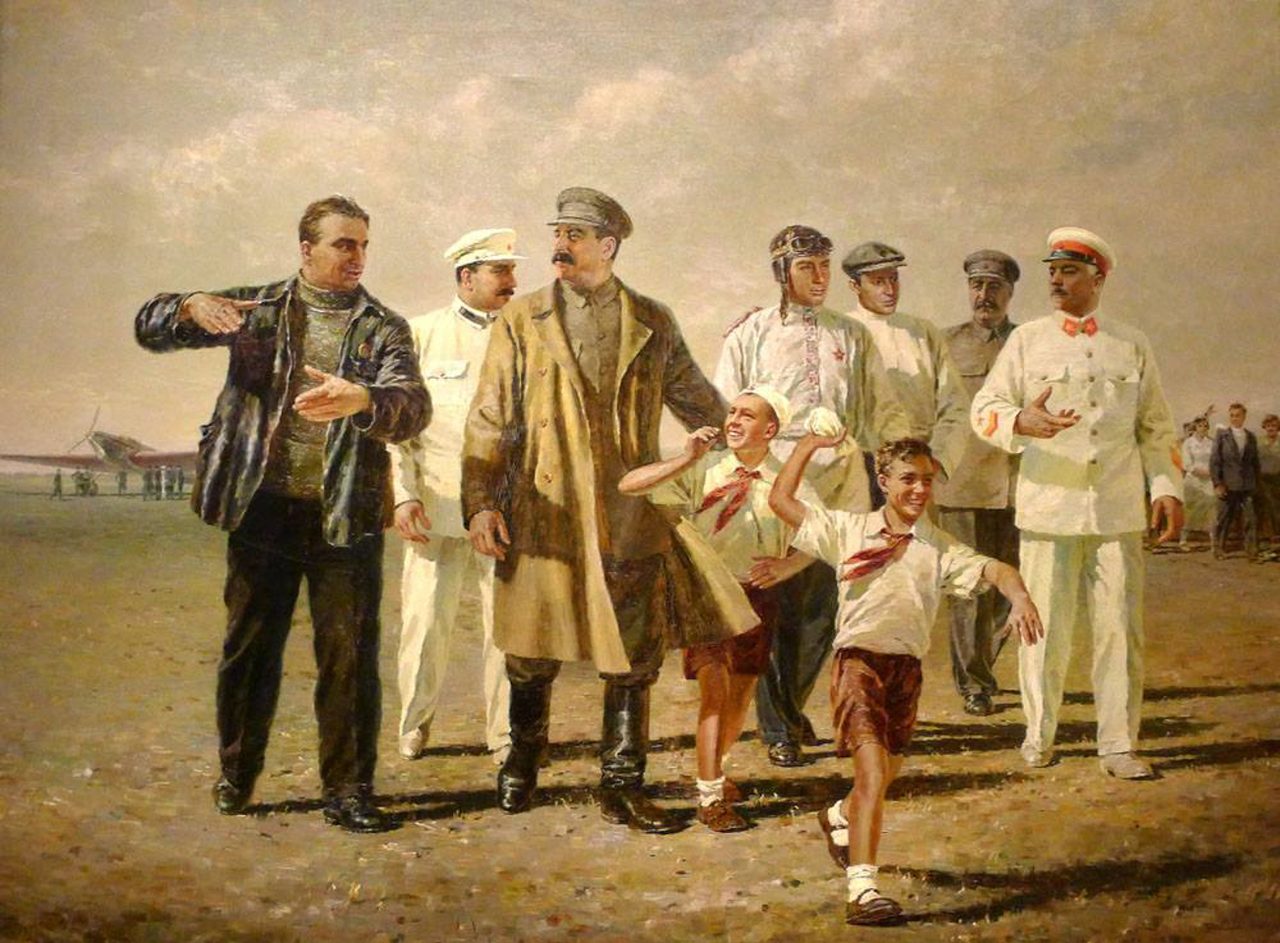
In the late 1930s, Soviet aviation set record after record. Some of these records are associated with the name of outstanding pilot Valery Chkalov. In 1936, his crew, in an ‘ANT-25’ aircraft, completed a three-day nonstop flight from Moscow to the Far East. Upon their return, Stalin personally greeted the pilots at the airfield. The following year, they set a record for their flight to the United States. Chkalov died on December 15, 1938, while testing a fighter aircraft.
6. Pyotr Krivonogov. ‘Defenders of the Brest Fortress’, 1951
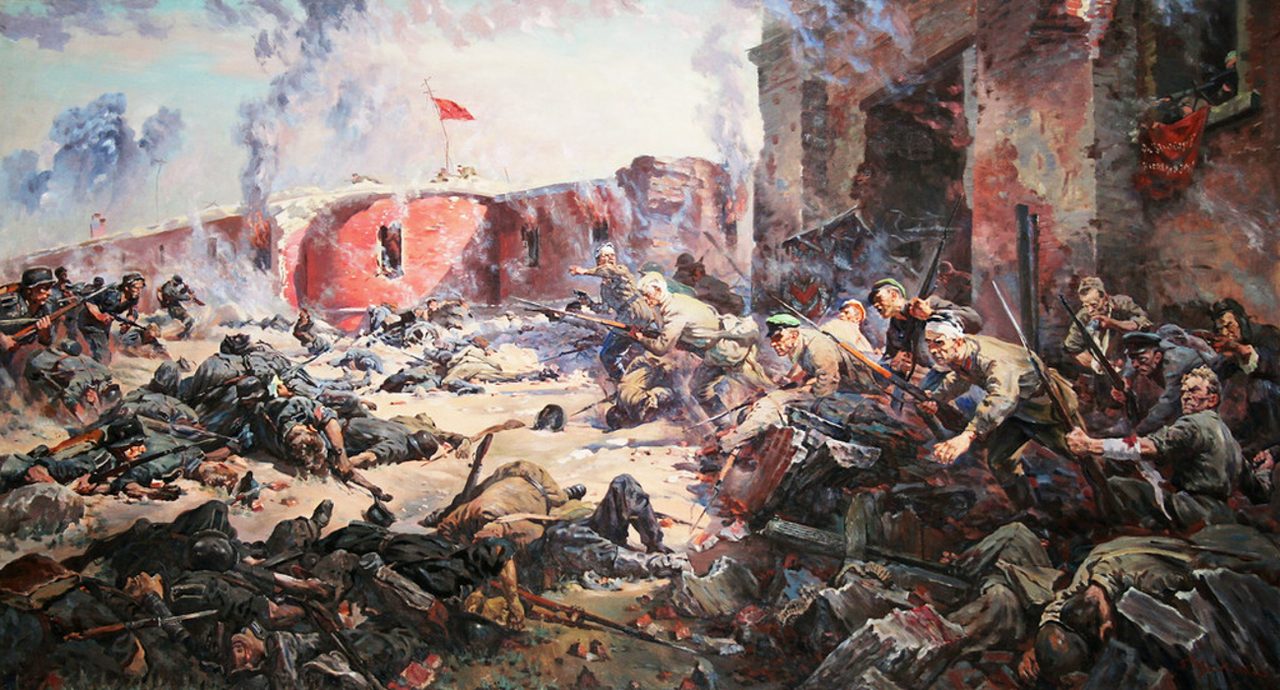
The start of the Great Patriotic War against Nazi Germany turned into a true disaster for the Red Army: heavy defeats, encirclements and the loss of vast territories. However, the courage and resilience with which Soviet soldiers fought for every meter were not in vain – the German blitzkrieg failed and the Wehrmacht reached Moscow so exhausted and battered that it quickly crumbled under the Soviet counteroffensive.
One of the symbols of Soviet heroism at the start of the war was the defense of the Brest Fortress on the border, which, by June 22, 1941, found itself deep behind advancing German lines. Organized resistance lasted for a week, but isolated pockets of resistance held out for much longer. An inscription remains on one of the fortress walls: “I am dying, but I will not surrender! Farewell, Motherland. 20/VII-41”.
7. Pyotr Krivonogov. ‘Victory’, 1948
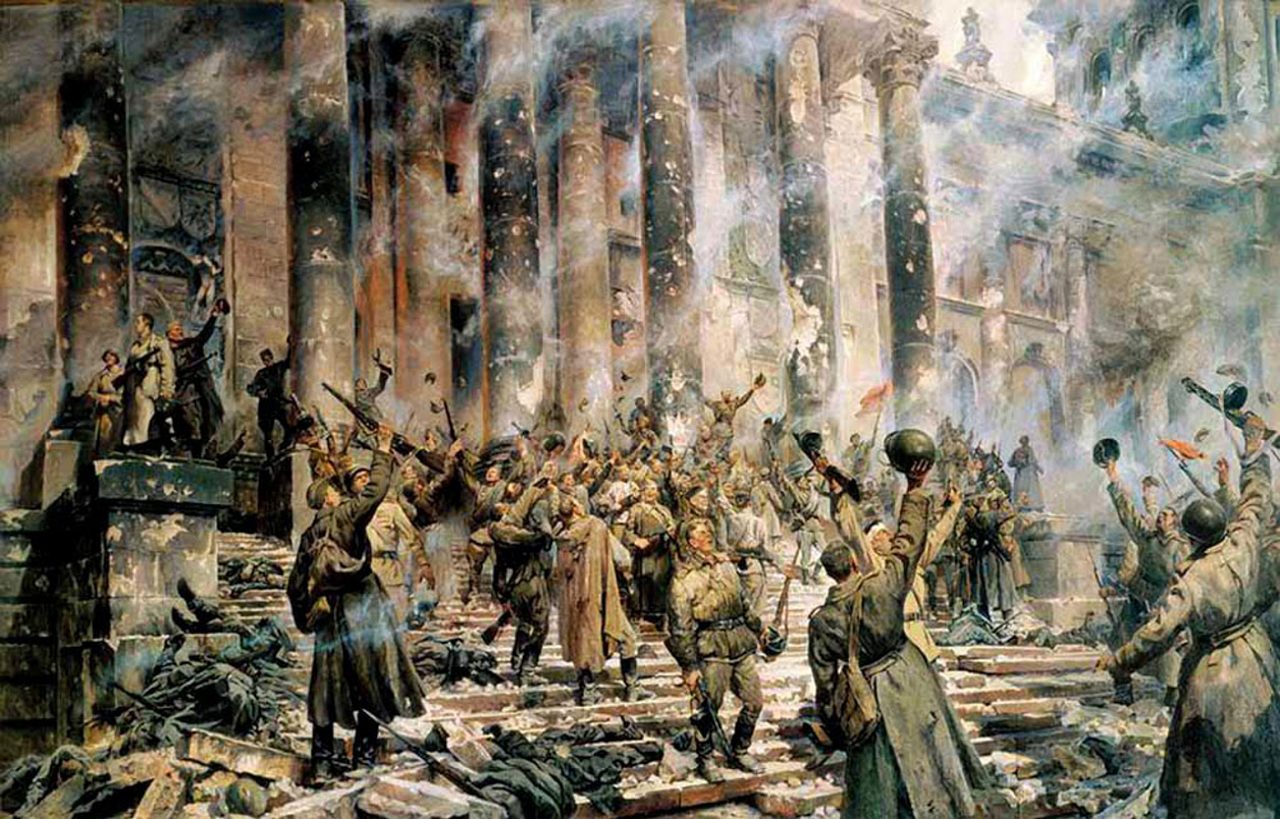
The setback near Moscow in December 1941 temporarily threw the enemy off course, but, by the summer of the following year, they had launched a large-scale offensive in the south, advancing as far as the Volga and the Caucasus. They were, however, prevented from advancing further. Soviet troops at Stalingrad encircled and destroyed a large German force, marking the beginning of a decisive turning point in the war. Victory at the Kursk Bulge in 1943 marked the end of this turning point.
In the years that followed, the Red Army advanced along the entire length of the front. She prevented the Germans from gaining a foothold on the Dnieper, lifted the Siege of Leningrad and, during ‘Operation Bagration’, completely destroyed Army Group Center. One by one, Soviet troops deprived Hitler of his allies, liberated Eastern Europe and the Balkans and captured Berlin in Spring 1945. The victory over Nazism cost the USSR the lives of 27 million of its citizens.
8. Georgy Kuznetsov. ‘Khrushchev in Stavropol’, before 1961
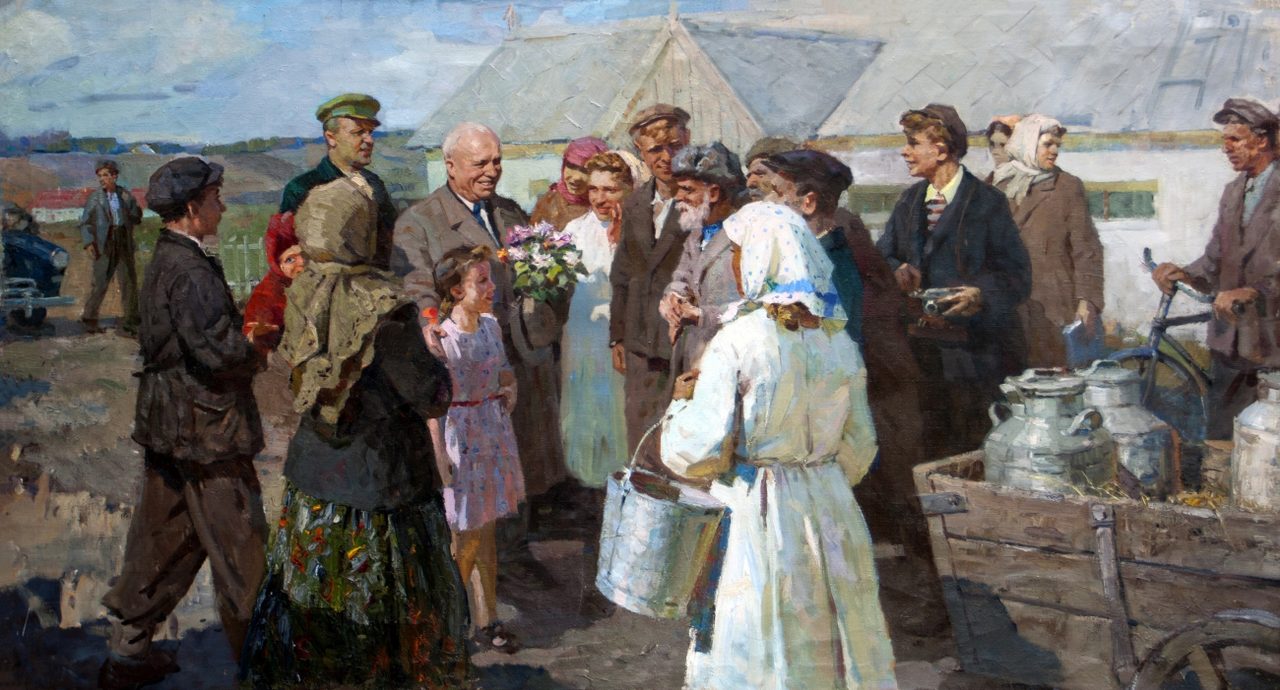
Nikita Khrushchev's reign (1953-1964) marked a period of ‘Thaw’ in the Soviet Union. The country began to see a partial liberalization of political and social life, de-Stalinization and rehabilitation of the victims of the Stalinist regime, a relaxation of censorship and the emergence of some creative freedom. In this way, the Soviet leader intended to restore the people's faith in the Party.
At the same time, the ‘Thaw’ was marked by a number of contradictions: the desire to normalize relations with the West and openness to the world coexisted with the suppression of the anti-Soviet uprising in Hungary in 1956 and talk of spiritual and intellectual liberation coexisted with a large-scale anti-religious campaign and the shooting of protesting workers in Novocherkassk in 1962.
9. Andrey Plotnov. ‘Goodbye, Earthlings!’, 1979
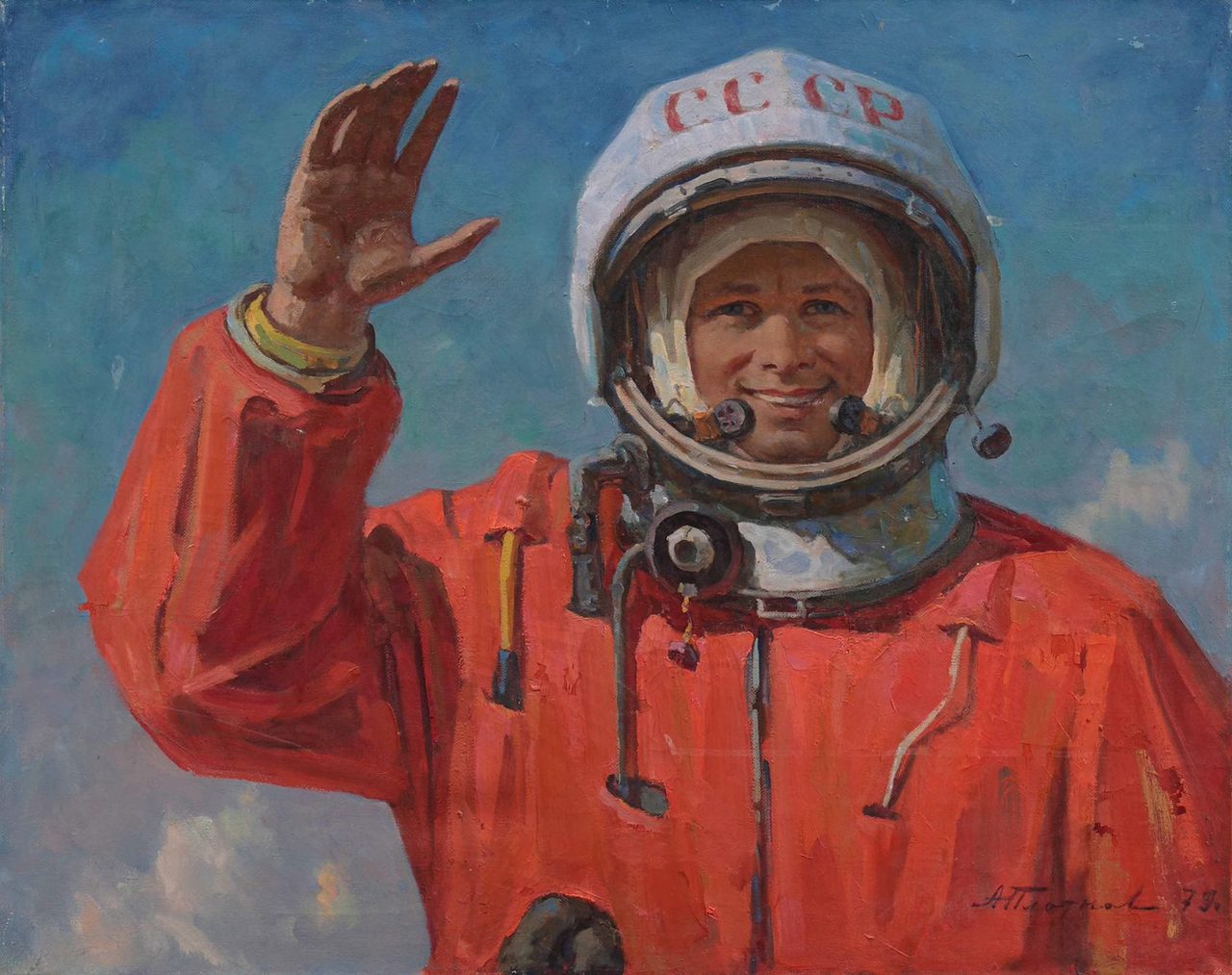
April 12, 1961, one of the most significant events in human history took place – a human being flew into outer space for the first time. Soviet cosmonaut Yuri Gagarin spent 108 minutes in space; during that time, his spacecraft, ‘Vostok-1’, completed one full orbit around Earth.
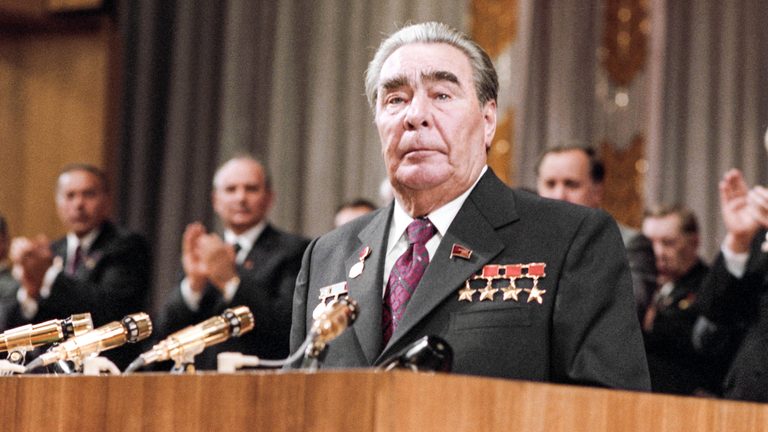
10. Anatoly Kalinnikov. ‘L. I. Brezhnev in Tula’, 1979
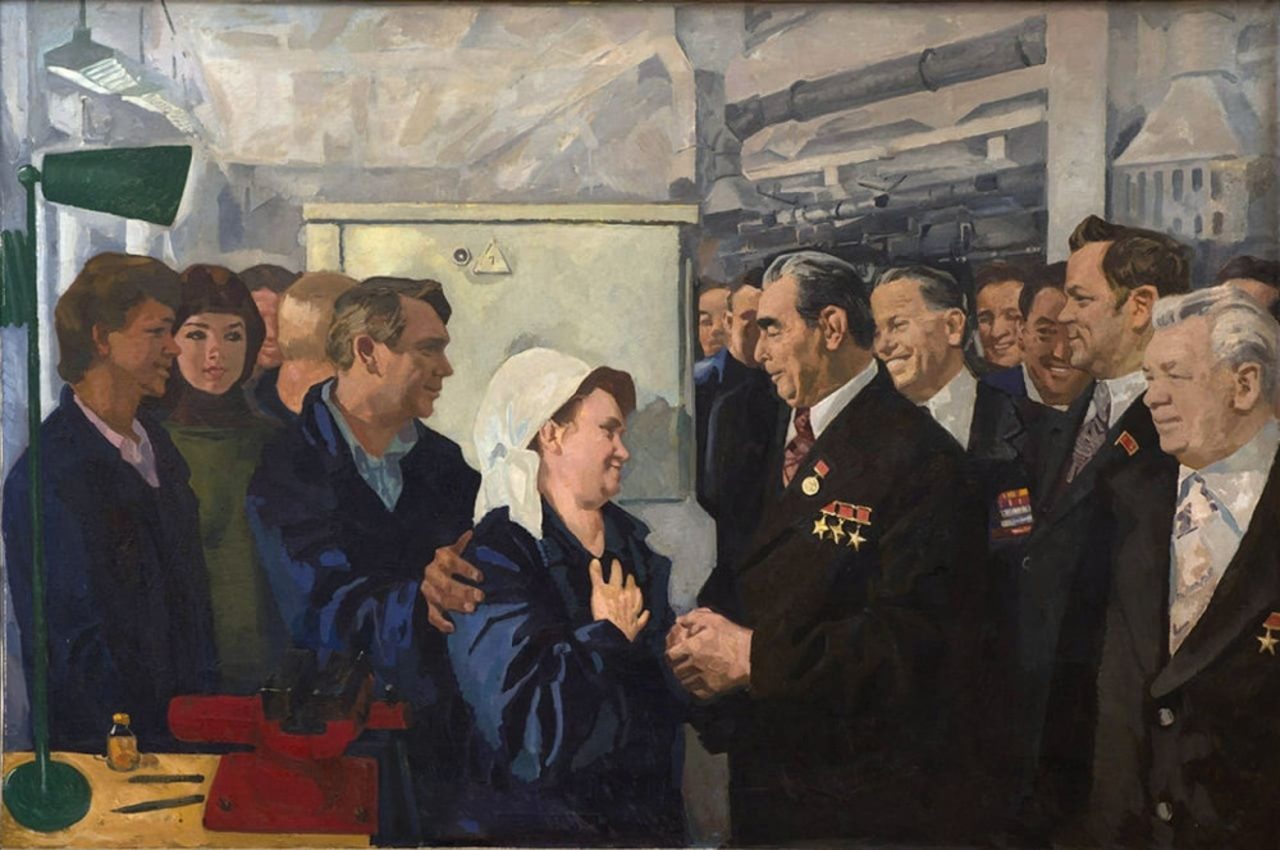
Leonid Brezhnev's period in power is often referred to as the ‘Era of Stagnation’. The liberalism of the ‘Khrushchev Thaw’ was rolled back, censorship and the crackdown of dissent intensified, the political elite became ossified and showed virtually no signs of renewal, while innovation and large-scale reforms were suppressed in favor of stability. Economic growth slowed and dependence on energy supplies to Europe increased. Meanwhile, for ordinary people, Brezhnev's stability brought increased income, personal consumption and living standards.
11. Semyon Faibisovich. ‘Portrait of Mikhail Gorbachev’, 1989
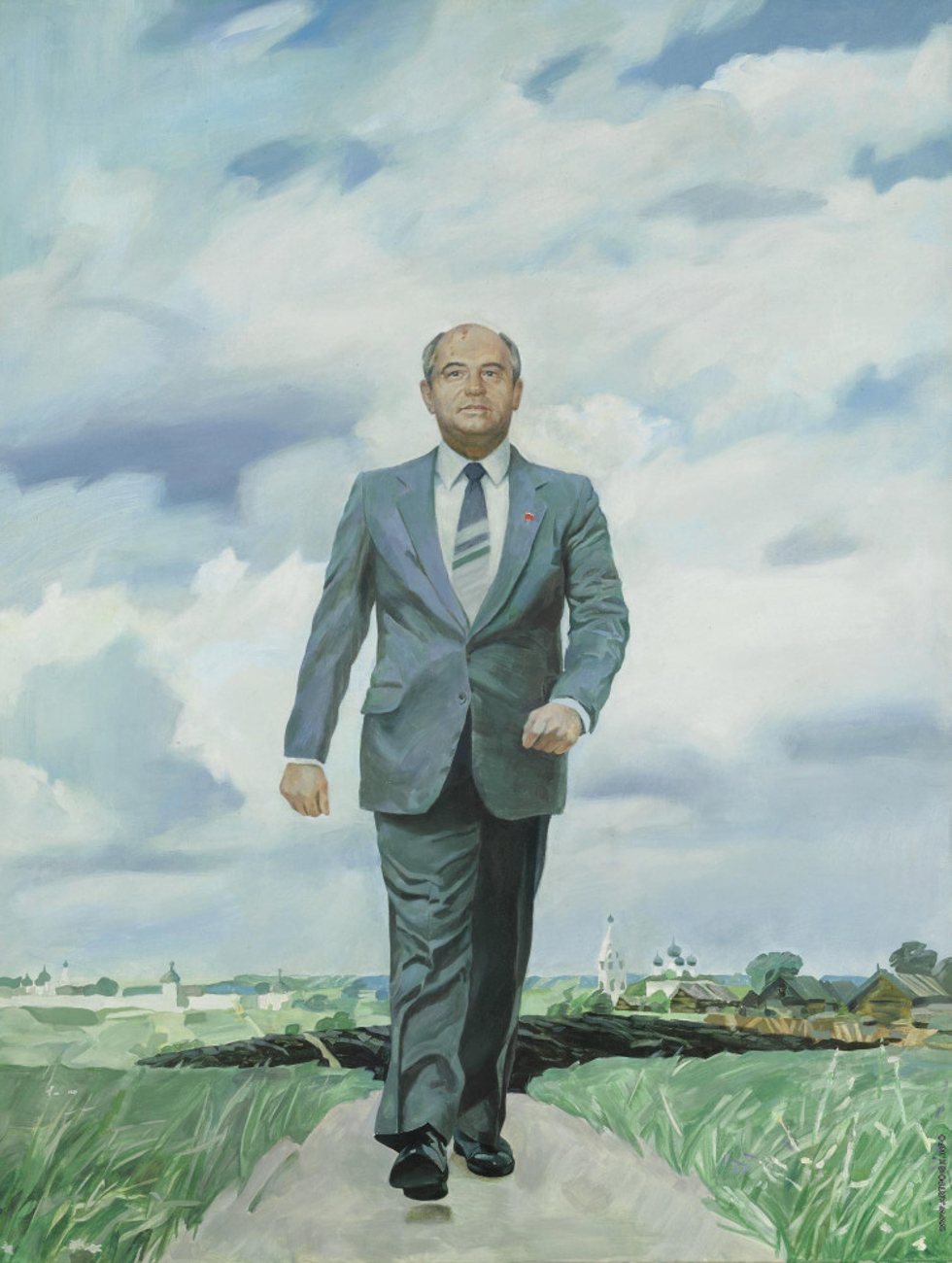
With Mikhail Gorbachev's rise to power in 1985, the USSR embarked on a radical overhaul of Soviet society – one that was unimaginable even during the ‘Thaw’. During the so-called ‘perestroika’ (‘restructuring’), authorities reexamined long-standing principles of economic management. In an attempt to pull the country out of deep stagnation, they initiated a partial departure from a planned economy and the introduction of market elements. Furthermore, a multi-party system was emerging in the country, freedom of speech was proclaimed and censorship was abolished.
Thanks to ‘perestroika’, the Soviet state took a major step from totalitarianism toward democracy. At the same time, due to the inconsistent nature of the reforms, the old system was broken and a new one had not yet been created. This led to a deep economic and political crisis, Gorbachev's resignation and the collapse of the country in 1991.
12. Vladimir Dubossarsky and Alexander Vinogradov. ‘Triumph’, 1996
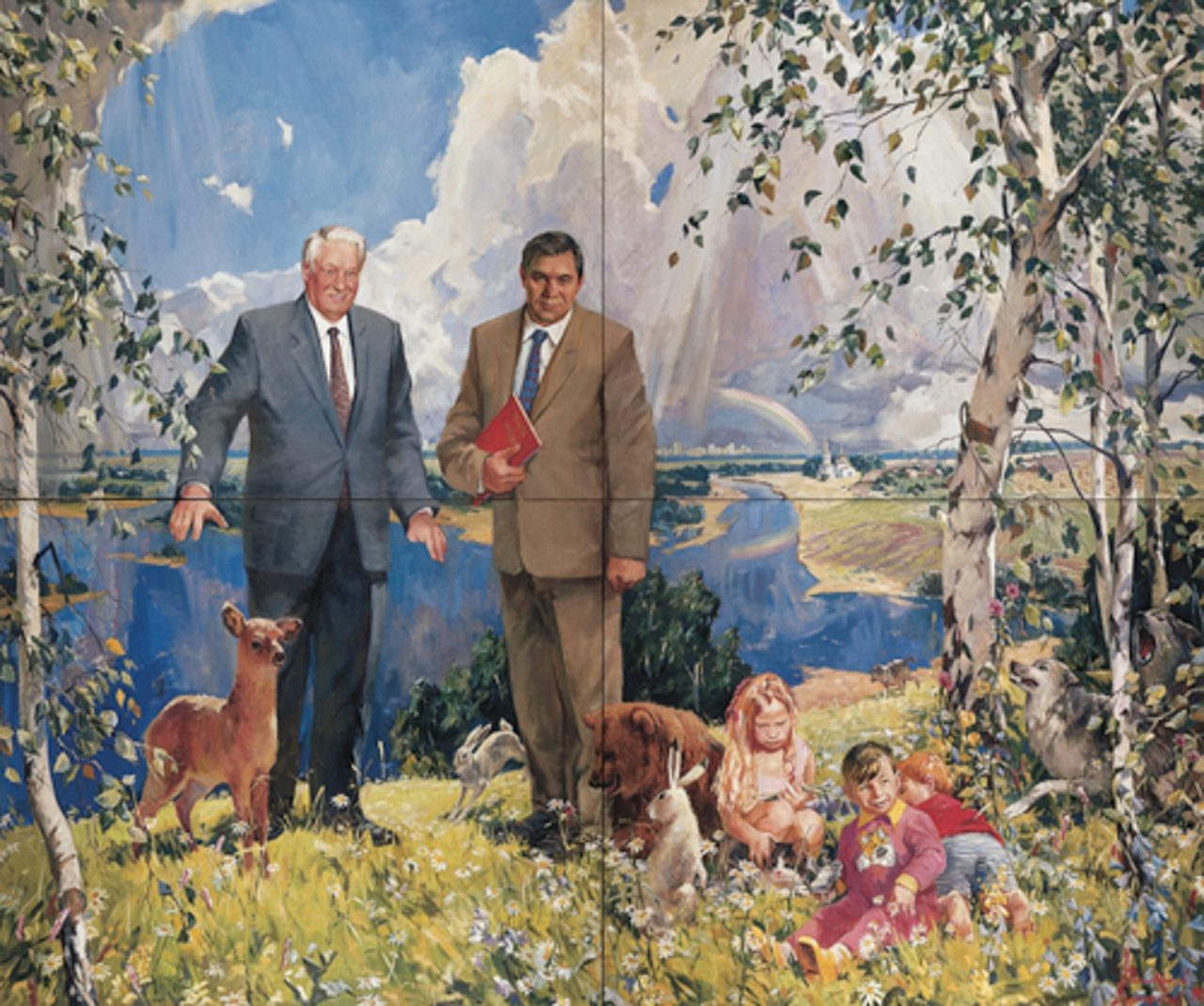
The final decade of the 20th century proved extremely difficult for the Russian Federation: a series of economic and political crises, declining living standards, two Chechen wars and a rapid rise in crime. At the same time, civil society continued to develop, a multi-party system developed and freedom of speech was preserved. People gained the opportunity to engage in entrepreneurship and travel freely abroad. Ultimately, the country managed to avoid another civil war and disintegration.
Be sure to also check out how artists depicted key events in Russian history during the Middle Ages, as well as the 16th, 17th, 18th and 19th centuries.