5 secrets of Russian jam (PHOTOS)
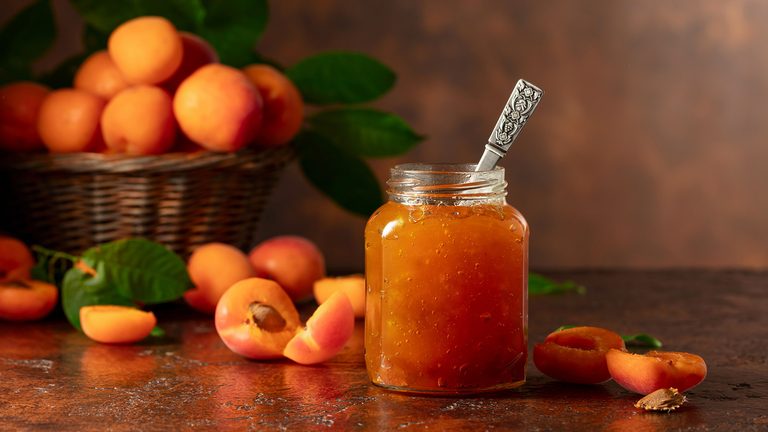
Color and clarity matter.
July is the time to make jam from cherries, raspberries, currants and gooseberries. The sugar syrup is what keeps the berries or fruit slices looking beautiful and intact; it should be thick and clear, preserving the natural color of the fruit. In the perfect jam, the berries neither float to the top nor sink to the bottom, but are evenly distributed throughout the liquid. Achieving this isn't easy. Each of the following five secrets below helps preserve the shape, color, aroma and clarity of the jam.
1. Whole berries
To prevent berries from turning to mush, various methods of preparation and processing are used. Cherries, plums, apricots and other fruits are carefully pitted, taking care not to damage the flesh. However, cherry jam made with the pits intact has an extra tangy, slightly bitter flavor. For the same reason, when making "royal" apricot jam, the pits are first removed from the fruit, split open, the edible kernel is extracted and then reinserted into each apricot.
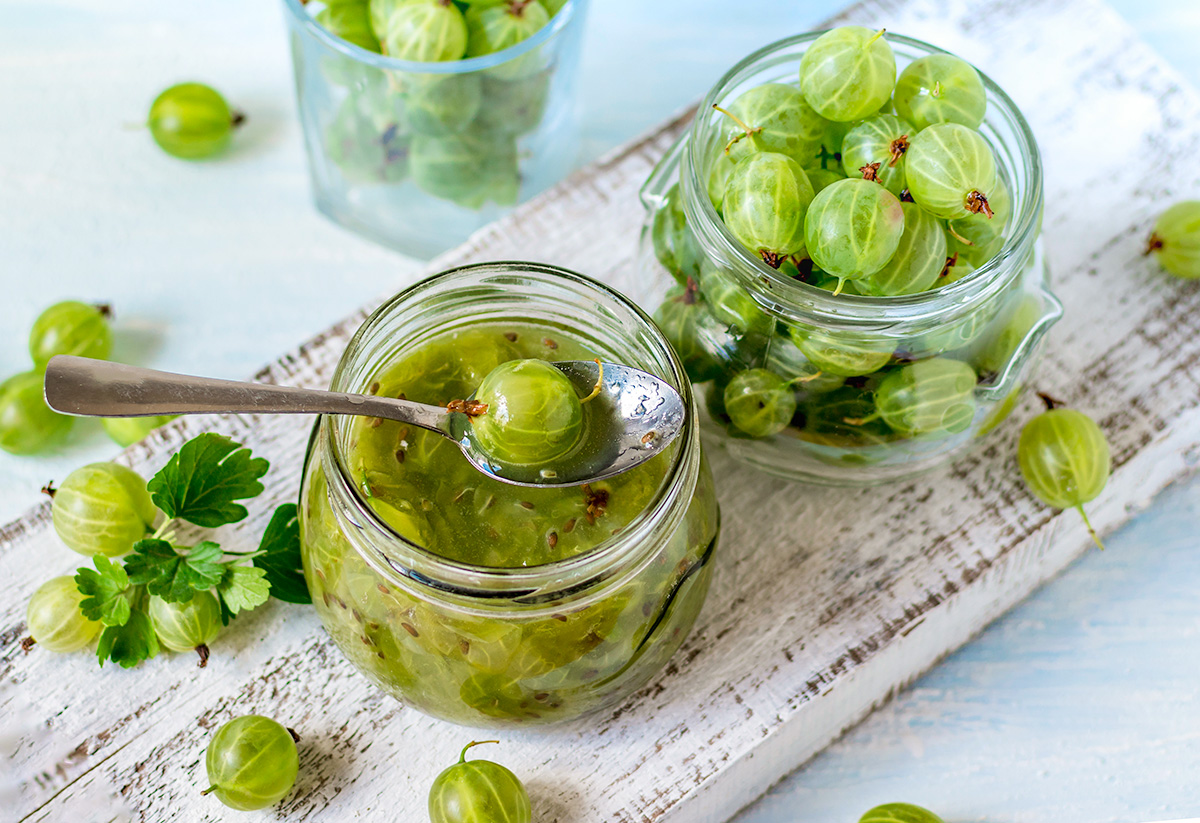
Berries with thick skins, such as gooseberries, hawthorns or jujubes, should be pricked with a toothpick or needle in several places to prevent them from bursting during cooking, due to the pressure difference between the inside and outside, and to allow the sugar syrup to penetrate the fruit, evenly saturating it.
Berries with delicate skins, such as currants, are dipped in boiling water for a few seconds (blanching) before cooking. This helps retain their juiciness and shape.
2. Cooking in syrup
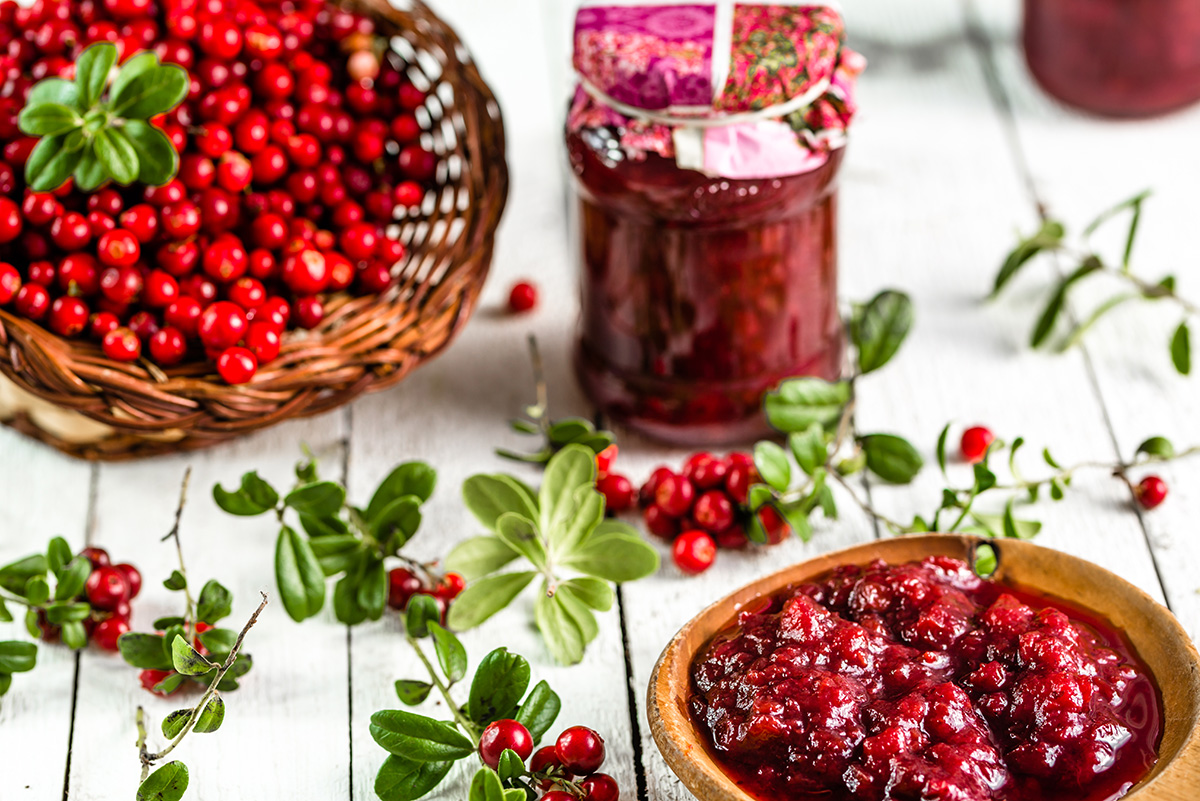
This method differs from simply sprinkling the berries with sugar. It produces a clear syrup and preserves the integrity of the fruit. This is especially important for fruits with firm flesh (apples, pears, quince). When poured with hot sugar syrup, they soak it up, become amber-colored and translucent and do not fall apart.
However, the consistency of the syrup is critical. In syrup that is too thin, the berries will burst, while, if it's too thick, they will shrivel and become tough.
3. Pouring in a leaf decoction
This technique, often used for "emerald" gooseberry jam, accomplishes several things at once. First, it preserves the color of the berries. A decoction of cherry or currant leaves helps the gooseberries retain their vibrant green color. Second, it enriches the aroma. The leaves give the jam a subtle, refined aroma with a slight tartness.
4. Multi-Stage Cooking
This method is also known as multiple or step-by-step cooking. The cooking process is broken down into several cycles, each consisting of a short heating to boiling point, followed by a long (4-12 hours) period of complete cooling. This technique preserves the integrity of the berries or fruits, as they are gradually infused with the syrup, without the harsh effects of prolonged boiling. This technique produces a clear syrup and preserves the fruit’s beautiful color and natural aroma.
5. Adding Alcohol
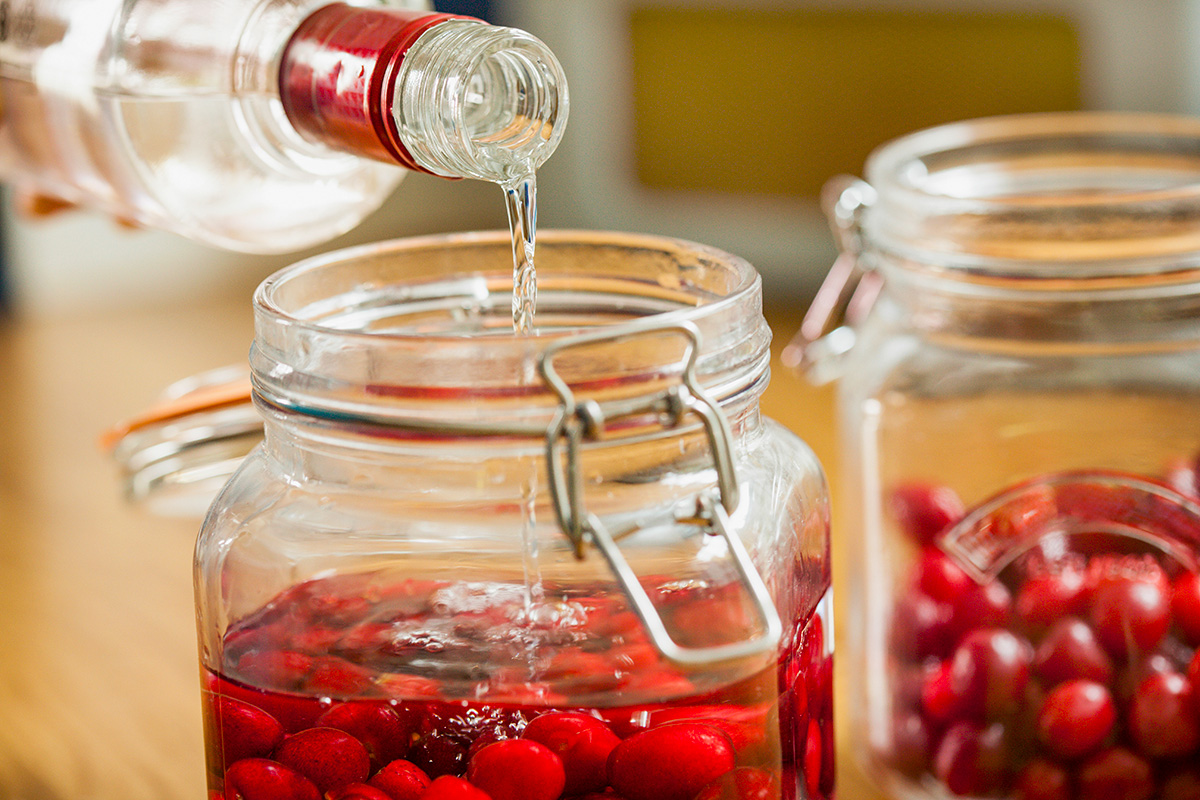
This technique serves both a practical and a flavor-related purpose. A small amount of strong alcohol (eg. vodka, rum or cognac) helps preserve the jam better by preventing it from crystallizing or fermenting. From a flavor perspective, alcohol also enriches the aroma of the jam, adding extra notes.