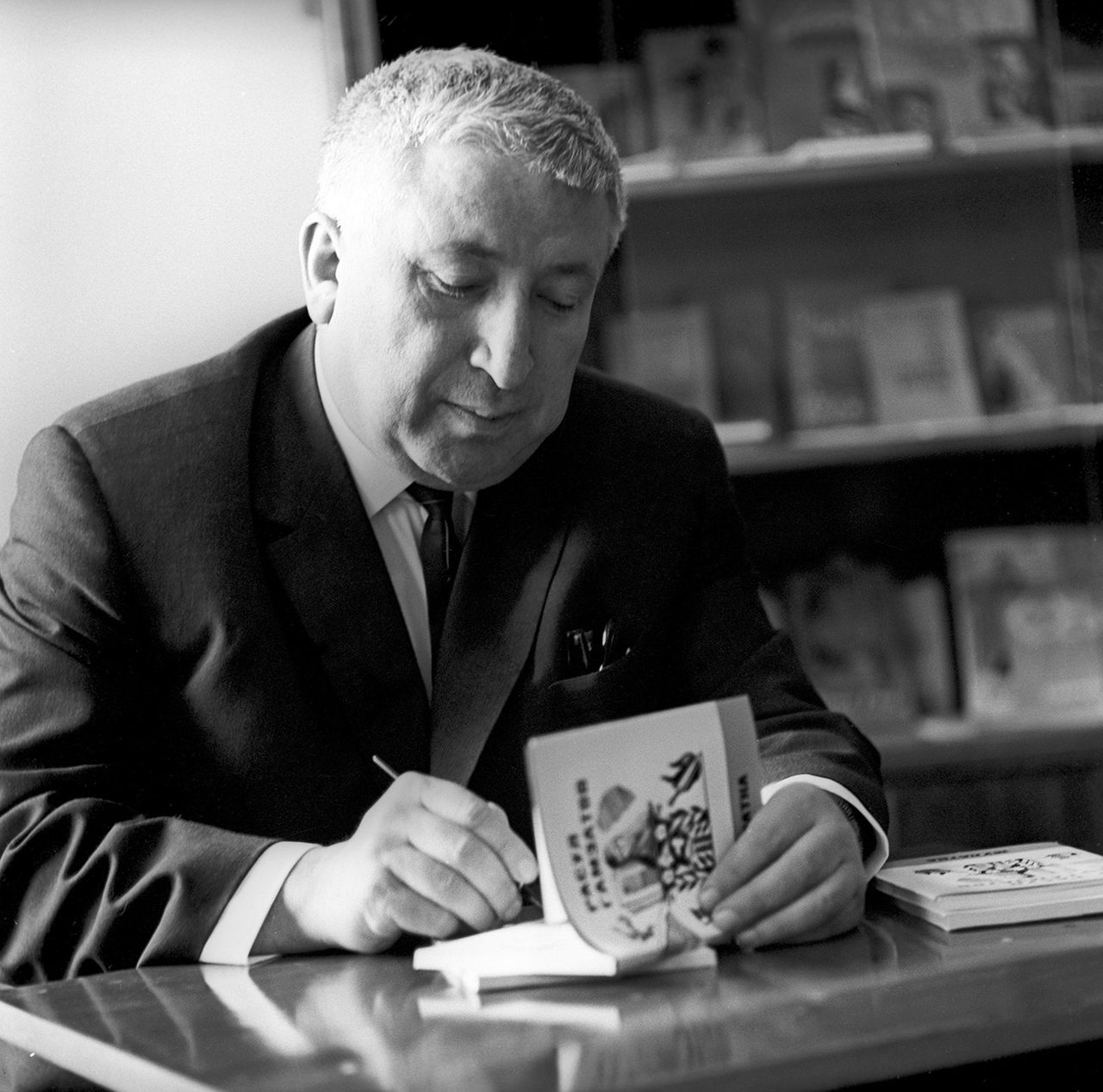

Rasul Gamzatov: 5 facts about Dagestan’s most famous poet


In his homeland, in a high-mountain village, the poet is considered a national hero. But, his fame extends far beyond the Caucasian republic and it was he who actually introduced Dagestan to the whole world.
1. The most famous Dagestani
“Put me in second place in terms of popularity in Dagestan, after Rasul Gamzatov,” world-famous fighter and UFC champion Khabib Nurmagomedov once told journalists. He added that if the poet had social media, he would definitely have more followers.
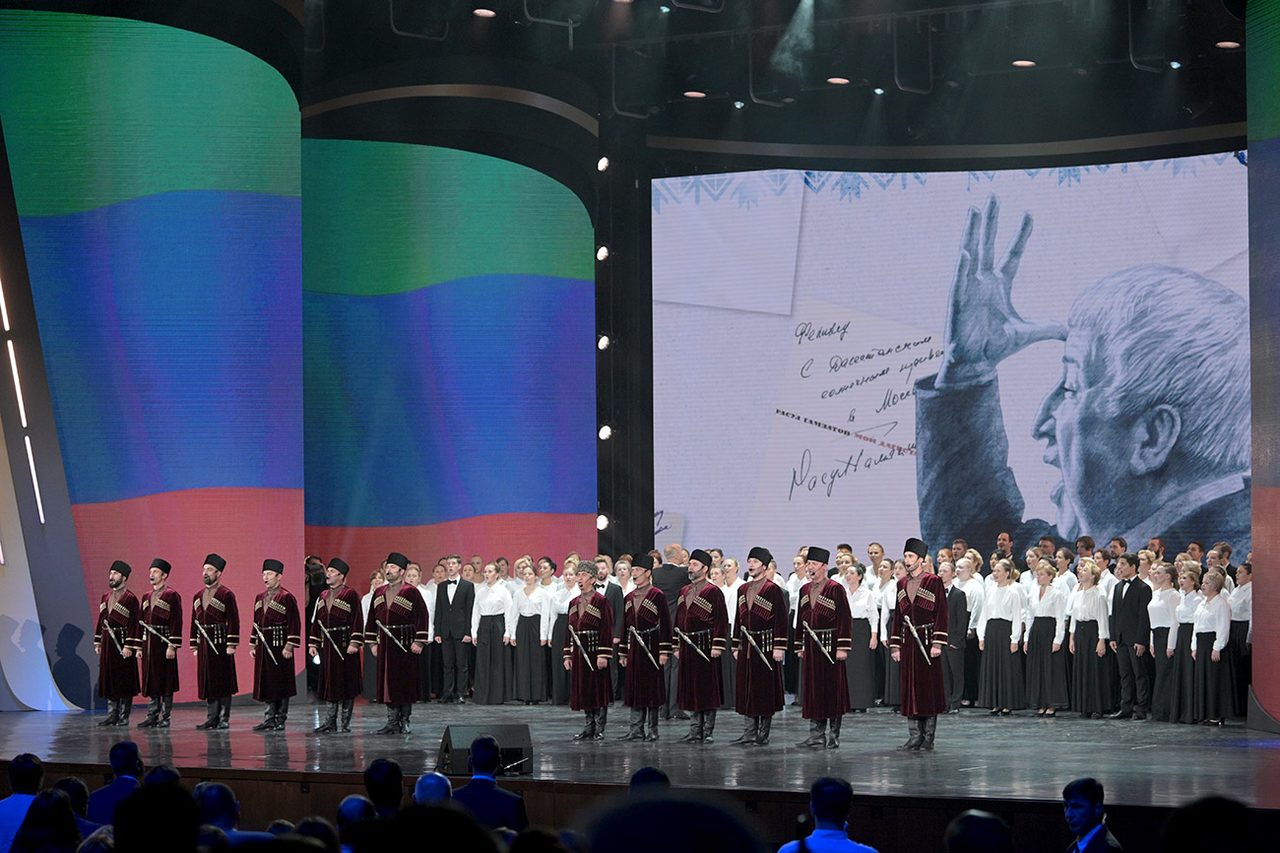
Indeed, before Khabib appeared on the scene, Rasul Gamzatov was considered to be the most famous Dagestani in the world; his books have been translated into dozens of languages.
His poems are better known in his native Dagestan than the multiplication table. The main avenue of the republican capital Makhachkala is also named after him and, at the foot of the Russian Theatre, stands a monument to the national hero.
2. Son of the Avar people
“A highlander, son of the small Avar people, Rasul Gamzatov managed to transcend national and territorial boundaries in his poetry and become a poet known far beyond his native land,” wrote Soviet poet Samuil Marshak about him.
“He is an enormous poet, who made Dagestan famous, as well as the Avar language and his mountains. His heart is wise, generous and alive,” wrote Robert Rozhdestvensky, another star Soviet literary figure.
“He is not only a Dagestani poet, but also a Russian one,” Rozhdestvensky added.
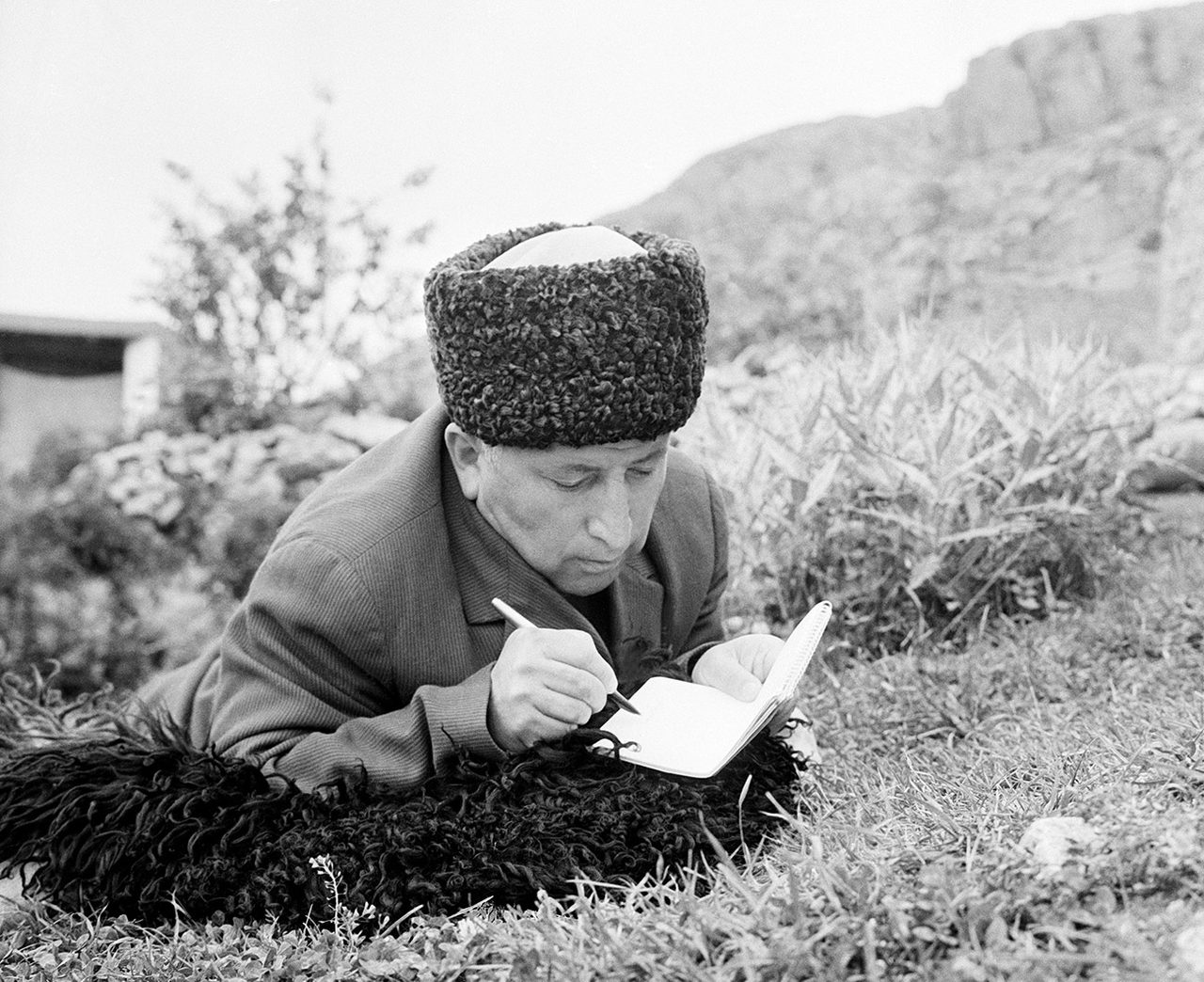
Gamzatov was born on September 8, 1923, in a mountain village in Dagestan (a republic in Russia's Caucasus). He is of Avar ethnicity – a member of one of the largest ethnic groups in Dagestan (there are over 100 ethnic groups in Dagestan, in total).
His father was also a poet, so Rasul grew up immersed in literature and the folk epic. He began writing poems himself at the age of nine.
After graduating from the Avar Pedagogical College in Dagestan, he went to study in Moscow at the Literary Institute, where he met and became friends with the cream of Soviet poetry.
3. He introduced Dagestan to the whole world
In Russian literature, Dagestan is featured in the poems of Mikhail Lermontov, Leo Tolstoy's colorful historical novella ‘Hadji Murat’, as well as the entire body of work of Rasul Gamzatov.
Gamzatov glorified his native lands, the uniqueness and beauty of the mountains and villages, the courage and bravery of its highlanders and the heartbreaking feeling of love. Love for his mother, for his native language and for his native land.
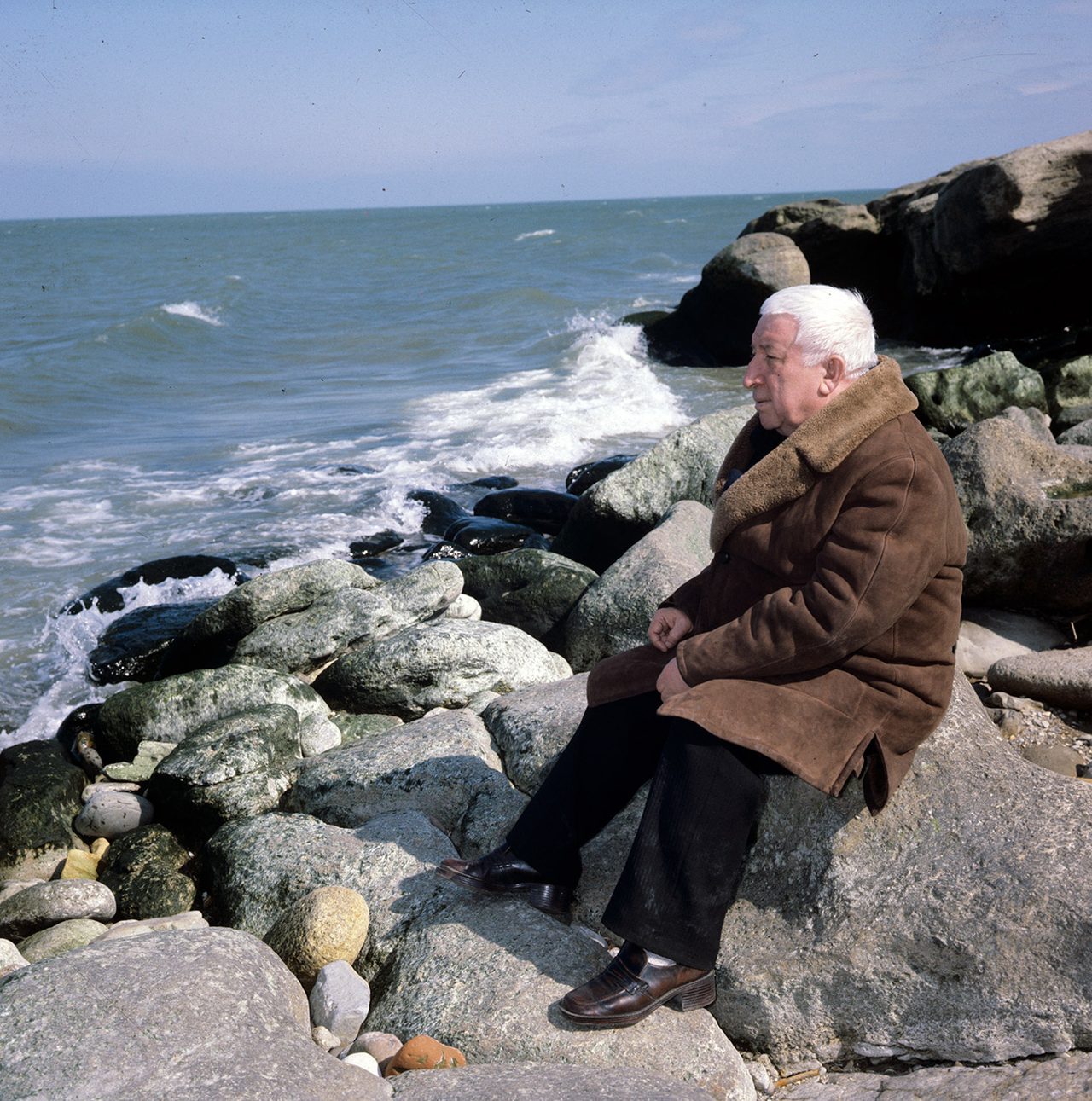
Even while living in Moscow and enjoying all the (considerable) privileges of a Soviet writer, he retained his unique identity. And, thanks to him, the whole world learned about Dagestan.
Gamzatov wrote only in the Avar language, but all his works (both poems and stories), concise and figurative, like parables, have been translated into Russian. And, from Russian, into dozens of other languages.
In addition to his poetry, Gamzatov's prose book ‘My Dagestan’, translated into 39 languages, is also widely known. It’s a lyrical narrative with poetic inserts, quotations from folklore, anecdotes and parables. Such a multi-layered patchwork quilt of folk legends and fairy tales, stories about the republic and its inhabitants.
“Would it be a story, a novella, a fairy tale, a legend, a meditation or just an article, I do not know. <…> I am not writing according to the laws of books, but at the behest of my own heart. And the heart has no laws. Or rather, it has its own laws, not suitable for everyone,” the author described his concept.
4. Author of one of the most famous war songs
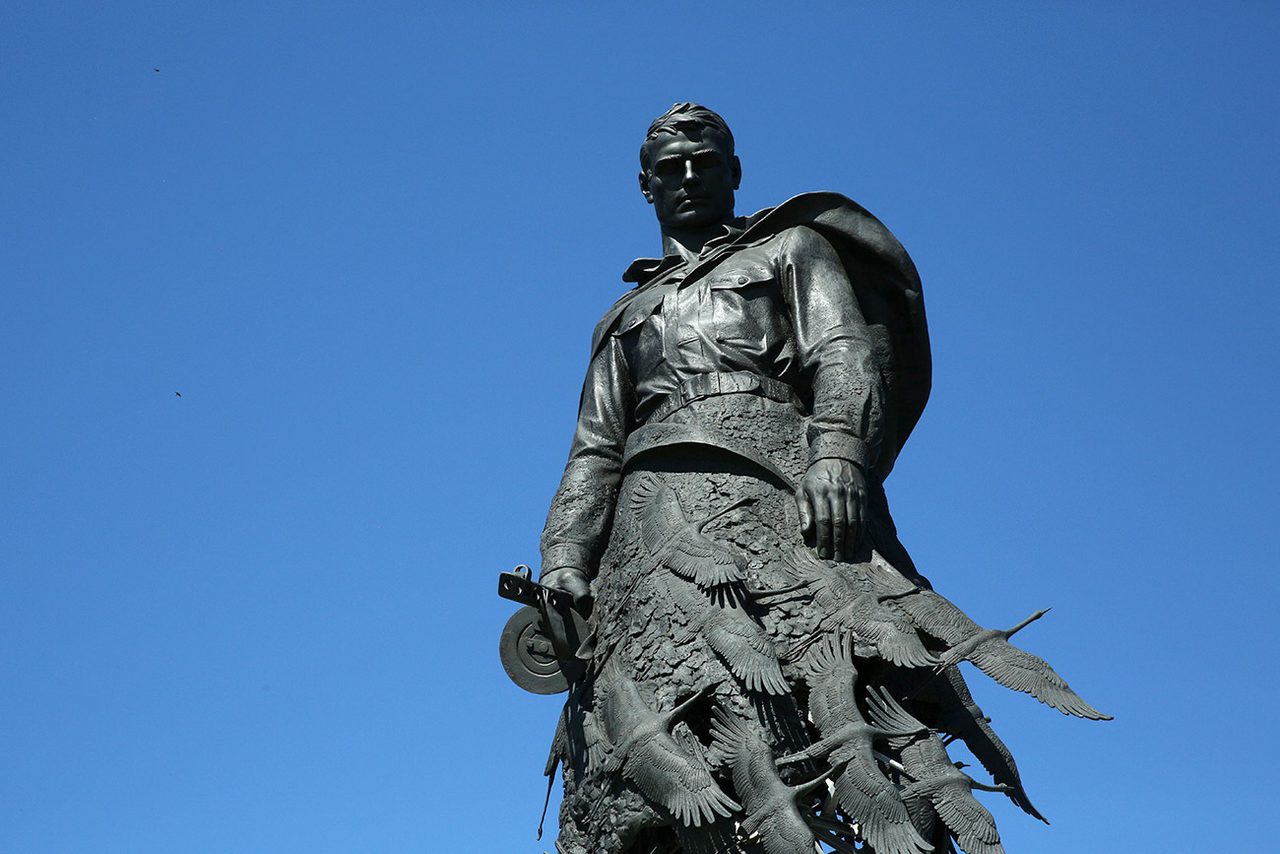
On all postage stamps, coins and other illustrations, Rasul Gamzatov is depicted with white cranes. He made them a symbol of remembrance throughout the USSR in his poem ‘The Cranes’. It tells the story of soldiers who died on the battlefields. Watching a flock of cranes, the poet imagines that the soldiers are not lying in the ground but that they’ve turned into those white birds.
The work, translated into Russian by Naum Grebnev, became the basis for a song performed by famous artist Mark Bernes. Gamzatov's metaphor was brought to life a few years ago at the monument in the Rzhev Memorial, where the figure of a soldier transforms into a flock of cranes.
5. His birthday has become a holiday in Russia
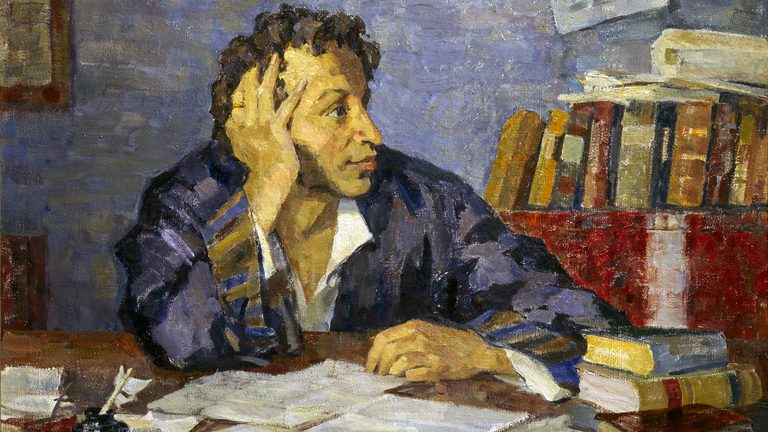
There are over 270 languages in Russia. Russian Language Day is celebrated on June 6, the birthday of Alexander Pushkin, universally considered to be the creator of the modern Russian language. And, in 2025, a new commemorative date appeared on the calendar – the Day of the Languages of the Peoples of Russia, which falls on September 8, the birthday of Rasul Gamzatov.