
Who is Leo Tolstoy's alter ego in ‘War and Peace’?

In fact, there are two of them in the novel.
Long before his marriage and work on ‘War and Peace’, as early as 1851, Leo Tolstoy recorded some curious and intriguing reflections on handsome men in his diaries. This theme became one of his most important: What does it mean to be a "true" aristocrat – elegant, stylish and impeccable?
This yearning for an unattainable ideal is also present in his early prose. In his book ‘Youth’, Tolstoy specifically explains what a "comme il faut" man is. Listing the traits of a true dandy, the writer cites impeccable French pronunciation, neatly trimmed long nails and the ability to bow and dance gracefully. Among these traits, he adds "deliberate carelessness and nonchalance".
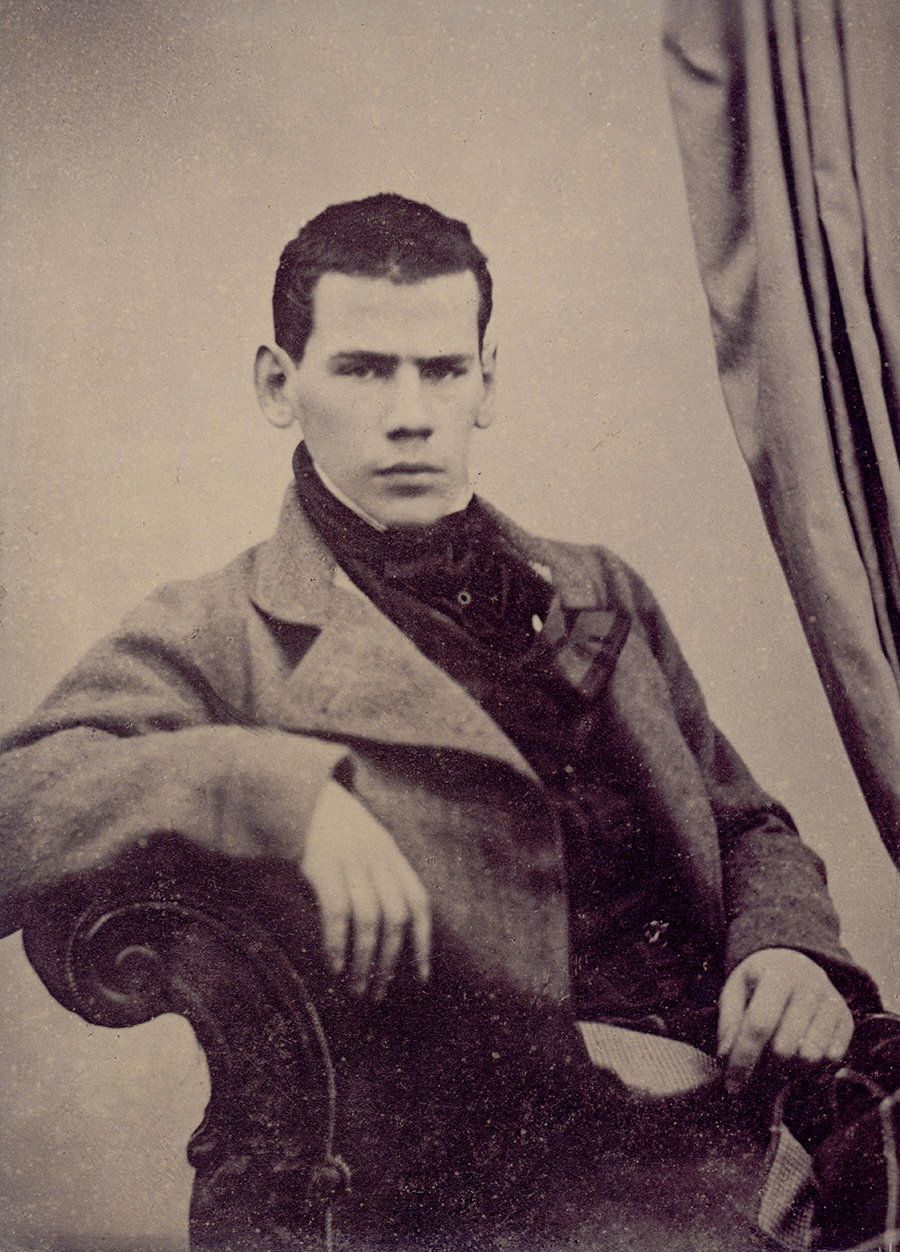 Portrait of Leo Tolstoy. In the collection of the Leo Tolstoy State Museum, Moscow
Tolstoy admits that he himself went to great lengths to achieve a polished appearance, but he never understood how his friends managed to conceal those very efforts. With them, everything seemed to have happened naturally. Tolstoy himself, despite all his aristocratic regalia, felt painfully self-conscious in society, suffered from his unattractive appearance and behaved awkwardly. He transferred this internal conflict – between "how I see myself" and "how I want to be" – to the pages of ‘War and Peace’.
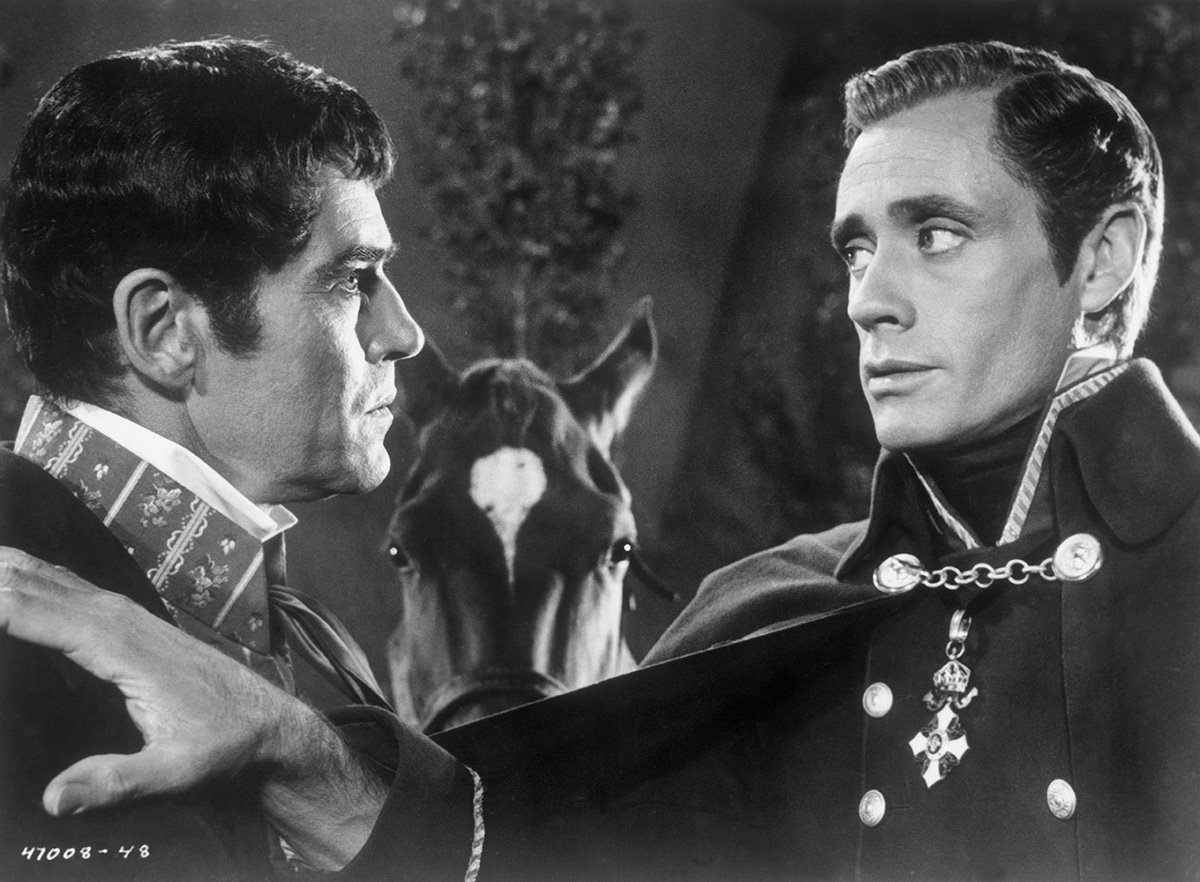 Henry Fonda (Pierre Bezukhov), Mel Ferrer (Prince Andrei Bolkonsky)
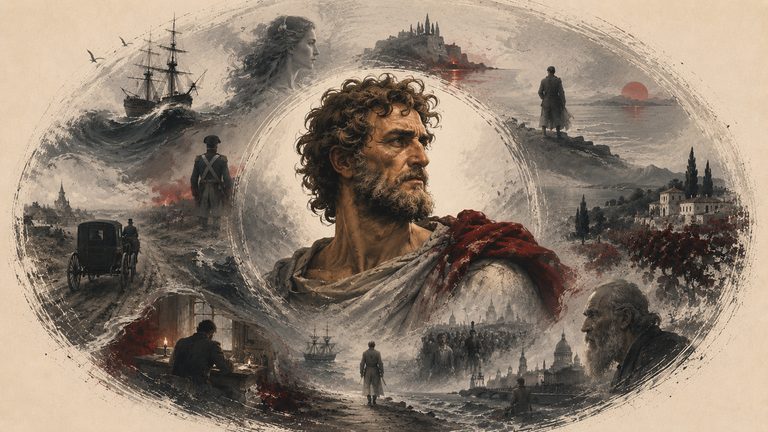
As literary historian Andrei Zorin notes, the rivalry between Pierre Bezukhov and Andrei Bolkonsky for Natasha Rostova is, in fact, a contest between two Tolstoys: the real one and the ideal one. Pierre is the man the writer saw and considered himself on the inside: awkward, searching, prone to mistakes and reflection. And Prince Andrei, on the other hand, is the unattainable ideal to which Tolstoy unsuccessfully aspired throughout his entire life. And, in this battle, according to the author's intentions, the real Tolstoy won. In the final version of the novel, Prince Andrei meets a tragic end, making way for Pierre.