
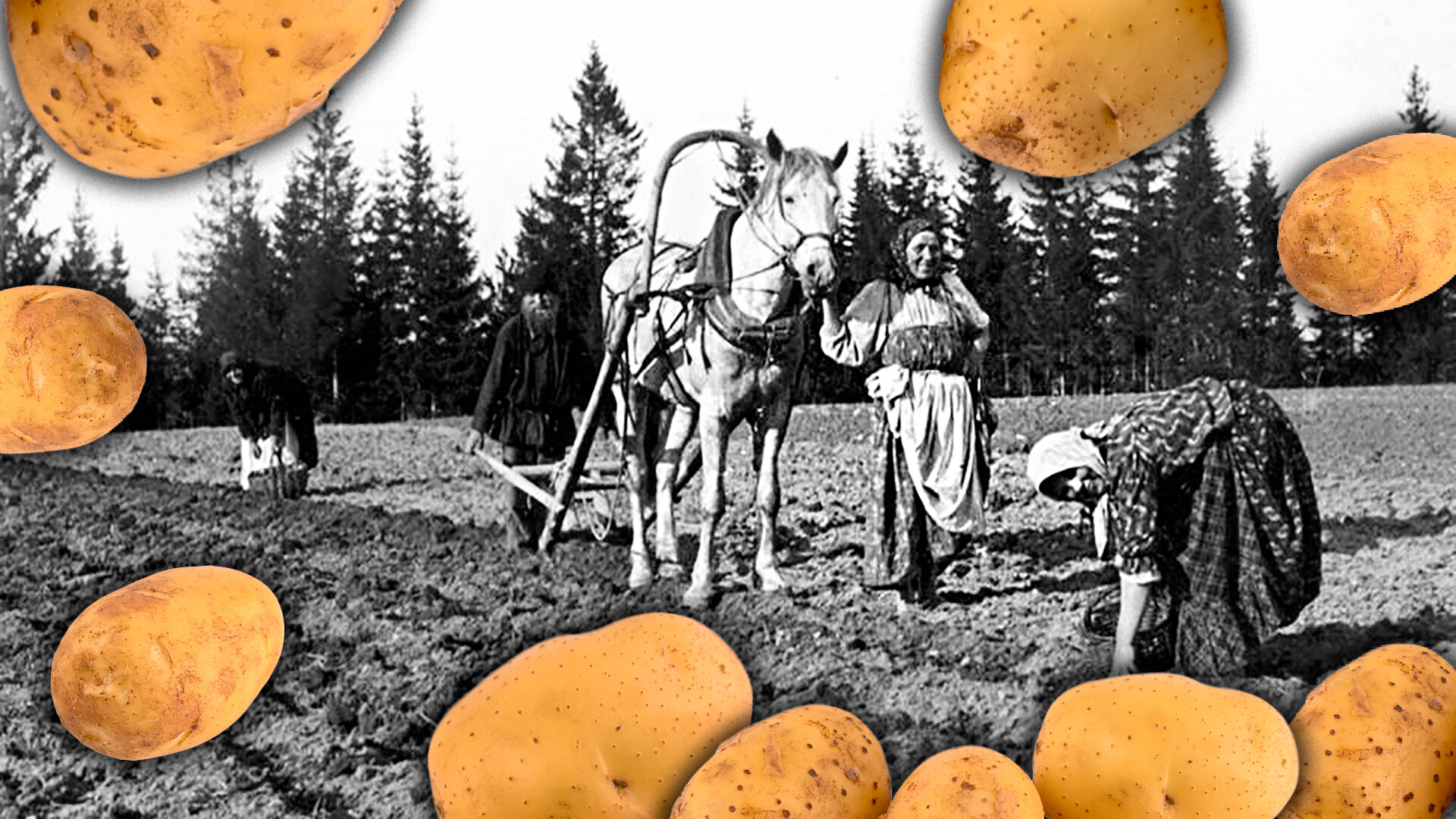
Who were the state peasants in the Russian Empire?
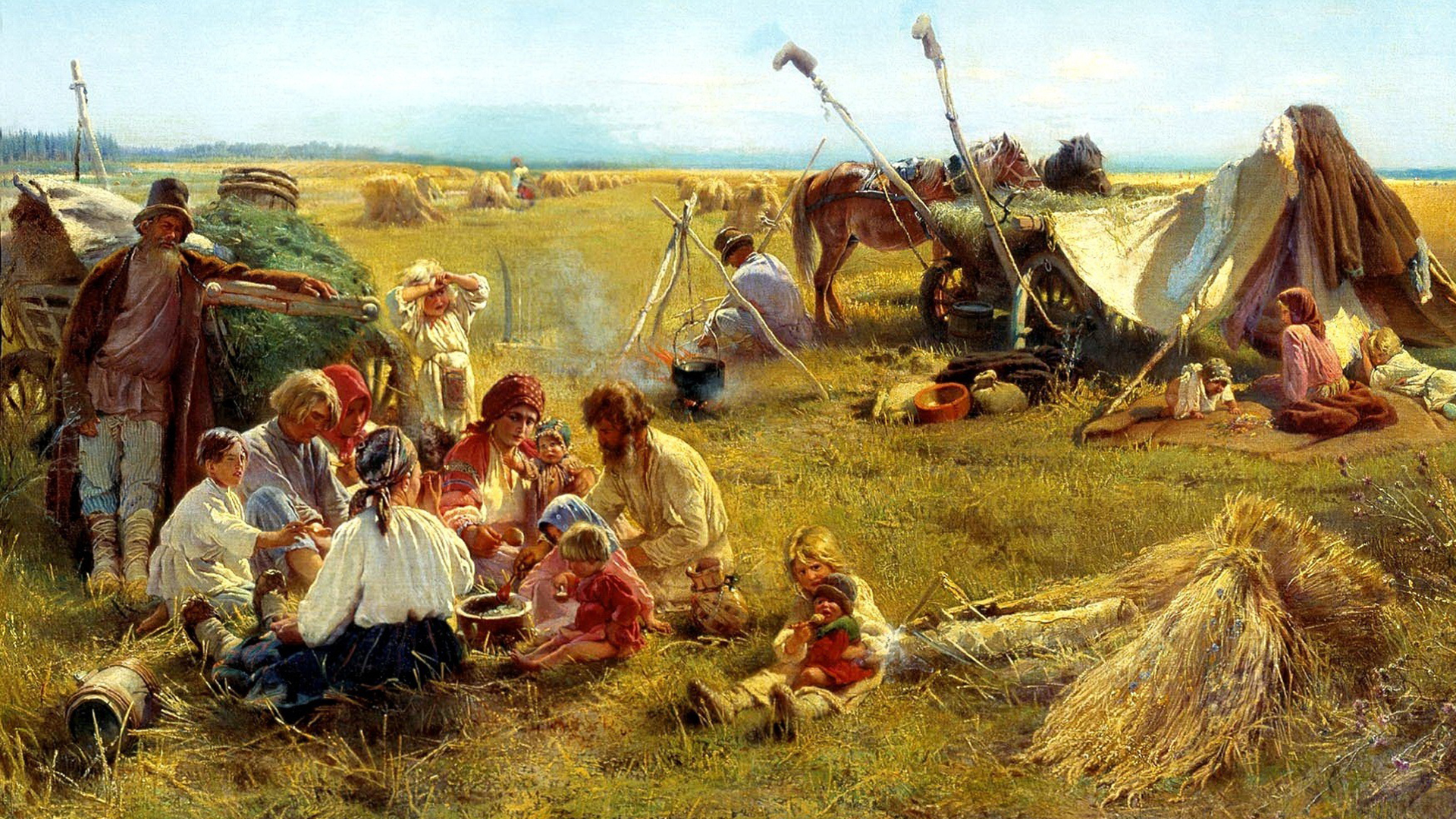
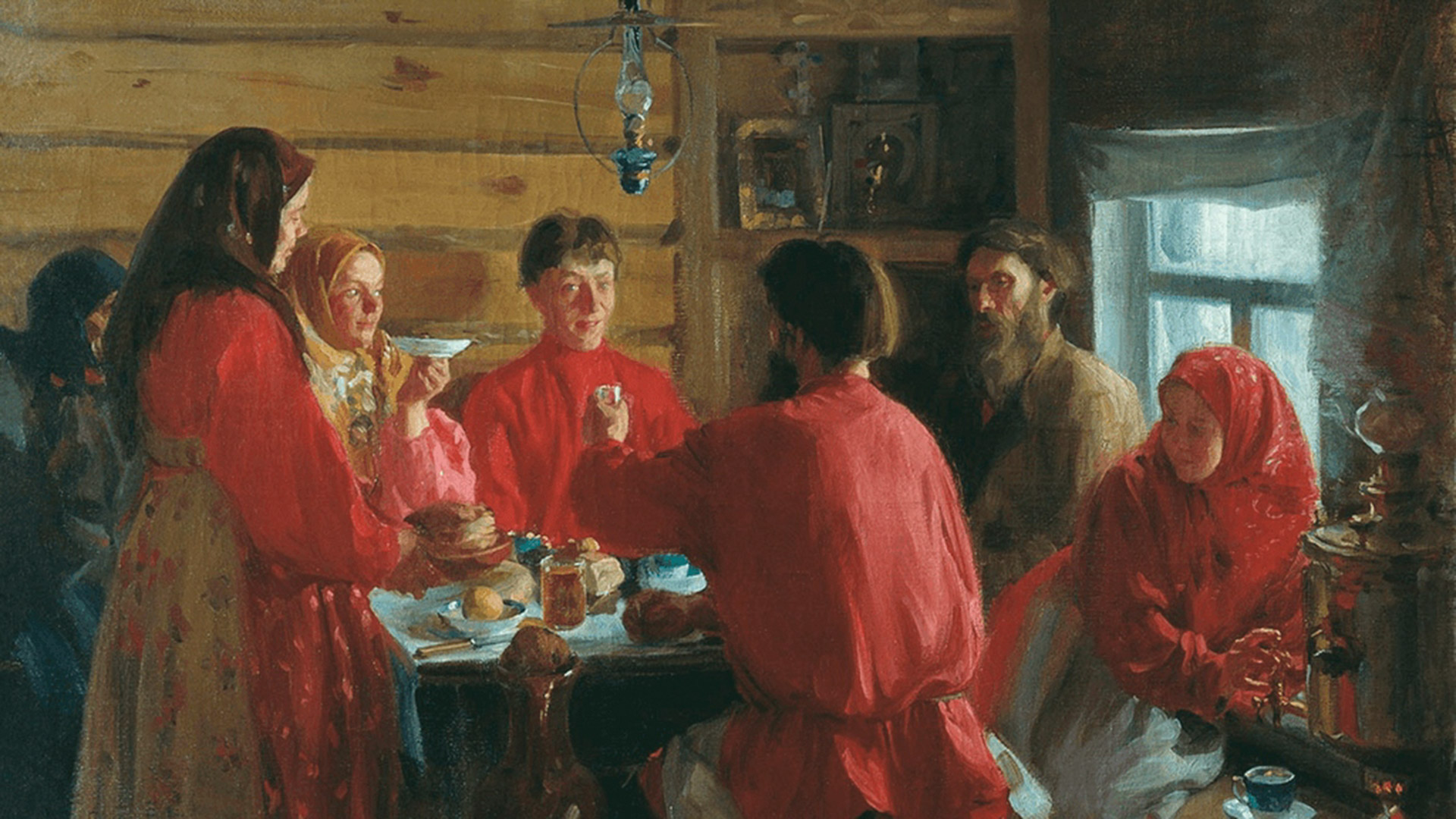
There is a myth that, before the abolition of serfdom in 1861, all Russian peasants were serfs. In reality, there was a roughly equal category of ‘personally free state peasants’.
These "free rural inhabitants" lived and worked on state lands, regularly paying taxes to the state treasury. They had the right to own property, engage in trade, appear in court, change their place of residence and even transfer to a different class.
The treasury received a third of its income from these state peasants, so the authorities were always trying to improve their living conditions. However, they were sometimes still treated as serfs. For example, in 1840, the government transferred vast territories in the Urals to the Orenburg Cossack Army and gave the 22,000 state peasants living there a choice: either move to other lands or join the Cossacks.
For many, relocation threatened ruin and conversion to the Cossacks meant compulsory military service. Complaints poured in to the authorities and, in response to which the state forcibly made the remaining peasants Cossacks.
Soon after the abolition of serfdom, state peasants, like former landowners, were given the opportunity to buy the lands they were working on.