
What was going on in Russia when the Reformation began in Germany?
The Reformation shook Western Europe, but practically did not affect Russia.
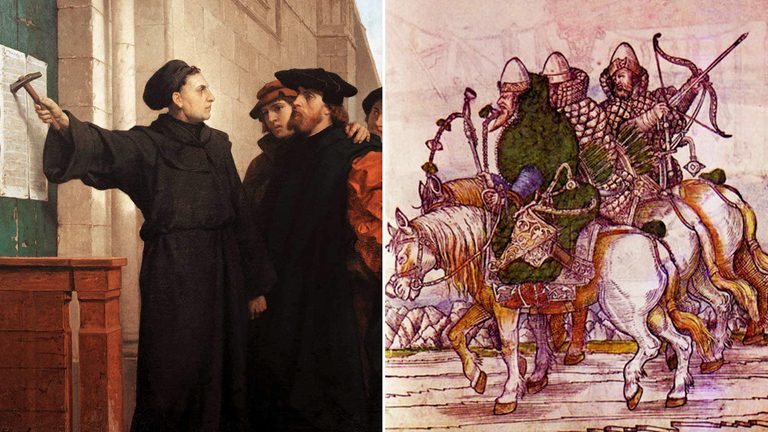
On October 31, 1517, priest and theologian Martin Luther posted his ‘Ninety-five Theses’ on the door of a church in Wittenberg. In them, he criticized certain aspects of Catholic doctrine, the practice of indulgences and the abuses of church officials.
Luther's manifesto merely called for an academic debate, but, instead, launched a large-scale process of Reformation. Western Christianity was divided, a number of Protestant churches emerged, Europe was divided along religious lines and brutal wars erupted between supporters of the Holy See and its opponents.
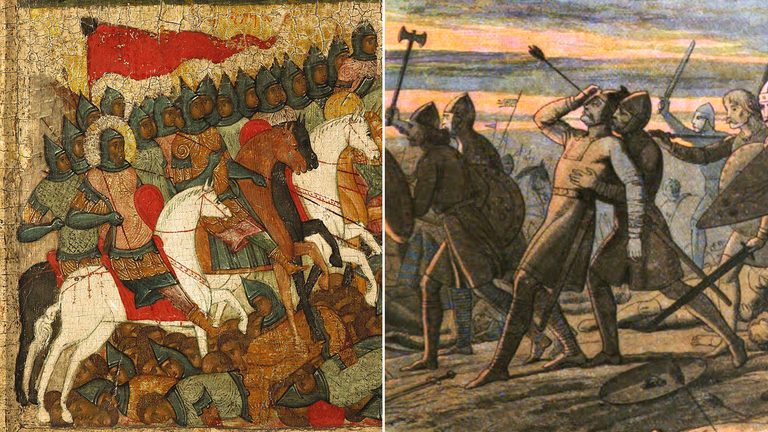
At this time, the Russian state was waging war against the Grand Duchy of Lithuania and the Kingdom of Poland. The so-called ‘Ten Years War’ (1512-1522) ended with the annexation of Smolensk to Moscow.
In Spring 1517, Baron Sigismund von Herberstein, an ambassador from the Holy Roman Emperor Maximilian I, arrived at the court of Grand Duke Vasily III of Moscow. He attempted to persuade the Russian ruler to make peace with the Lithuanians and form a united front against the Turks. But, the diplomatic mission was unsuccessful.
Herberstein left behind a detailed description of the Russian state, from its political structure to the daily lives of its inhabitants. ‘Notes on Muscovy’ enjoyed immense popularity in Western Europe in the 16th century and became a valuable source of knowledge about Russian history of that era.
In August, the army of Crimean commander Tokuzak-murza invaded the Russian state. The campaign was largely financed by the Lithuanians. The Russians managed to prepare for the invasion and, in September, completely routed the Tatars at the Glutnya River near Tula outside of Moscow. Only one in four returned to Crimea "on foot, naked and barefoot."